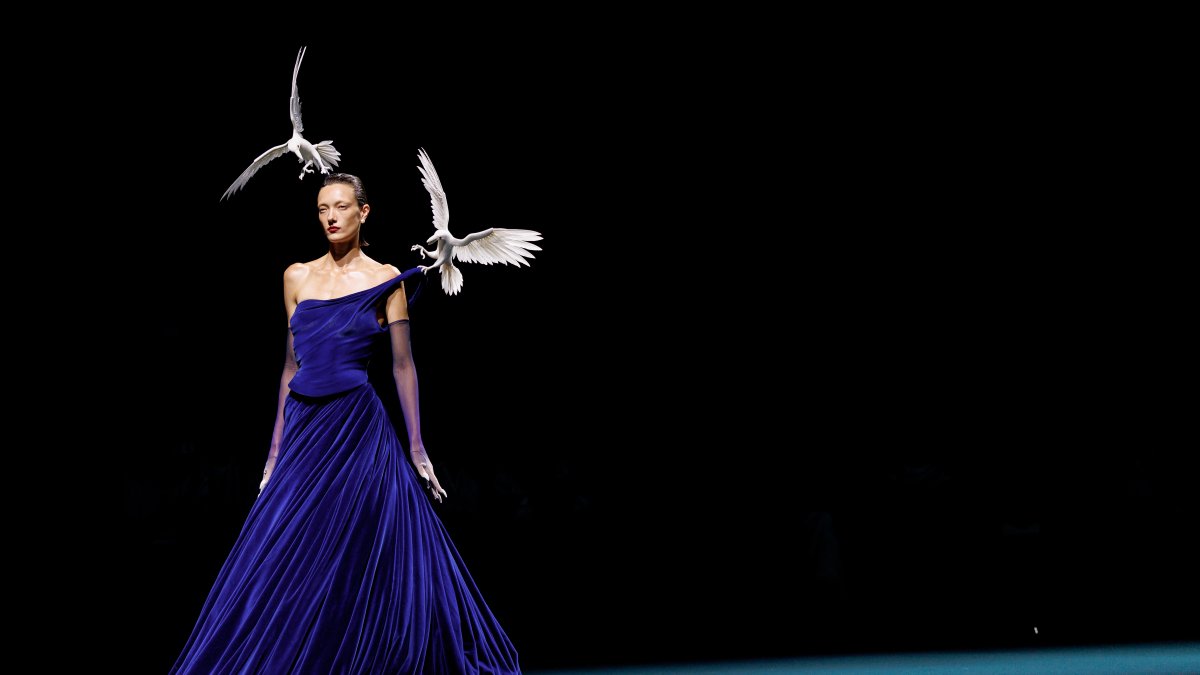
Fashion is traditionally anchored in dreams and creativity, yet there are growing concerns that the industry's rising prices may strip it of its meaningful essence. Recently, luxury item prices have soared to astonishing levels, with handbags resembling the cost of small cars and dresses priced similarly to haute couture masterpieces.
Read More
Throughout history, luxury has never equated to affordability; exclusivity and craftsmanship have justified premium pricing. However, a significant shift is observed where the prestige of a brand's name may overshadow the actual artistry of the garment.
Fashion designers of yesteryear were known for their bold and original designs that shaped trends and styles for generations. Today, the focus on commercial viability seems to stifle artistic innovation. Factors like recognizable logos, celebrity endorsements, and viral marketing often garner more attention than the quality and design of the garments themselves.
Amid these marketing strategies, it begs the question of whether the quality of the fabric, craftsmanship, and originality of designs are being overlooked. Is a high price now equated with superior quality?
Having spent over a decade in the fashion industry, it’s clear that while creative ideas must sell, the market pressures can constrain designers. Fashion houses require commercially successful collections, yet the most striking designs often emerge from time-consuming experimentation that isn’t always commercially viable.
When profit motives dictate creative decisions, designers may resort to familiar approaches rather than exploring groundbreaking concepts. Fashion risks becoming repetitive, bombarding consumers with similar styles that vanish quickly.
Currently, true luxury may not be about the costliest items but rather about discovering authentic originality.
The intrinsic value of a piece combines its design, material, craftsmanship, and emotional impact. A well-crafted dress can enhance a woman's confidence and express her individuality—qualities that transcends mere logos. Moreover, the vital role of artisans, seamstresses, and other skilled workers in creating garments deserves more acknowledgement.
Consumer behaviors are shifting as well, with some seeking individuality and enduring quality over merely recognizable brands. This offers a gateway for independent designers who can take creative risks without the pressures faced by larger corporations and experiment with local craftsmanship.
Technology and innovation, including sustainable materials and new production techniques, are set to influence future creativity in fashion. However, the integration of technology should enhance, not overshadow, creative processes.
Ultimately, the solution lies not in lower luxury prices but in ensuring that they reflect the true quality and artistry of the garments. The fashion industry must reevaluate its definitions of luxury—whether it lies in the price tag or in the imagination, skill, and individuality that go into each piece.
As a designer, witnessing the transformation of a concept into a finished creation remains an unparalleled thrill—something that monetary value cannot replicate. Potentially, the future of luxury fashion will belong to those with the courage to innovate rather than those simply charging more.