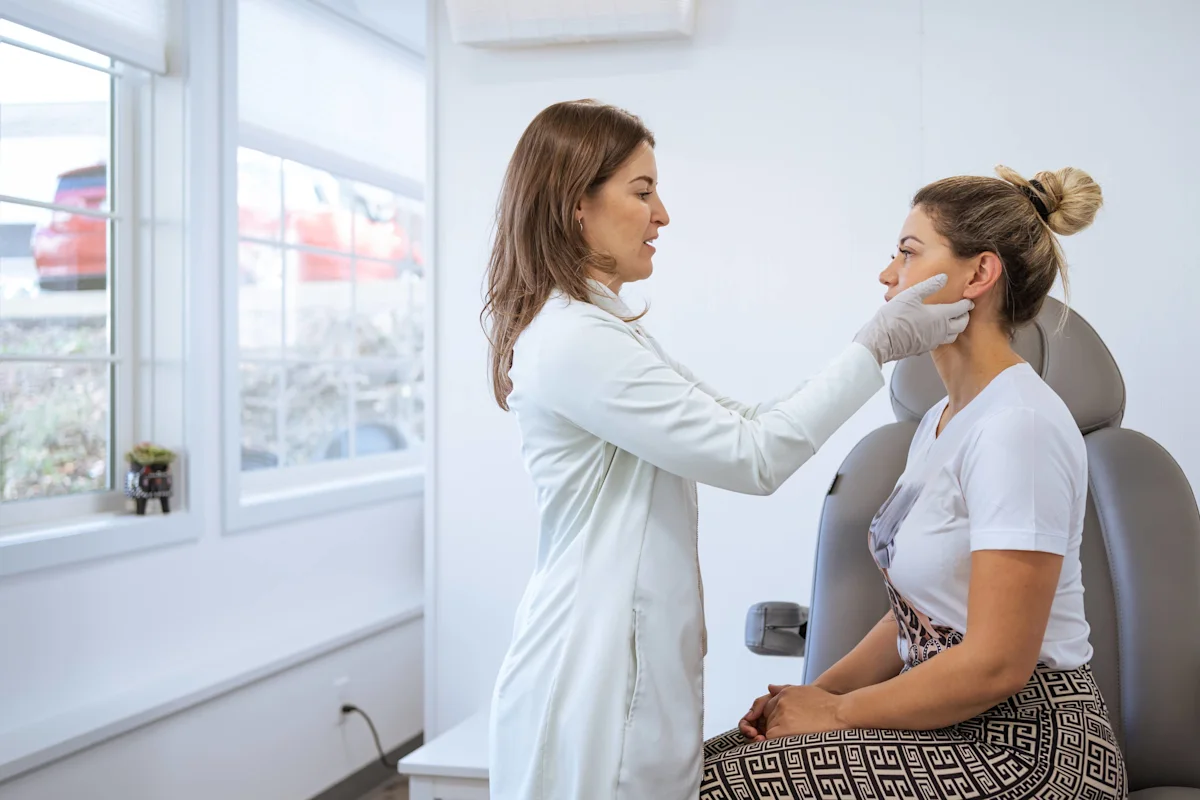
Individuals on GLP-1 medications should be cautious with their skincare routines, particularly regarding the use of harsh retinols, according to dermatologists interviewed by Parade. These medical professionals emphasize the need to adjust skincare regimens due to the potential effects of GLP-1 medications on skin quality.
Read More
Dr. Sophia Reid, a dual board-certified physician in dermatology and obesity medicine, and Dr. Morgana Colombo, a board-certified dermatologist and founder of Vidaderma, highlight that GLP-1 medications can adversely affect collagen production and skin quality. Dr. Colombo stated, "It's important to adjust your skincare regimen to one that will address these specific issues."
While noting that not everyone will experience skin changes in the same way, Dr. Colombo mentioned that GLP-1 medications can yield significant health benefits for suitable patients. She emphasized the role of dermatologists in helping patients protect their skin barrier and maintain skin quality as body changes occur.
Dr. Reid pointed out that many patients on GLP-1 medications experience more fragile and dehydrated skin, which can lead to increased irritation from harsh retinols. "Rapid weight loss often leaves the skin barrier more fragile," she explained.
For women going through perimenopause or menopause, the challenges can be amplified, as they may already be dealing with sensitivity and dryness. Dr. Lesley Clark, another board-certified dermatologist, noted that while there is no direct interaction between topical retinoids and GLP-1 medications, individual skin tolerance should dictate skincare choices. She cautioned that aggressive retinoid regimens may further disrupt skin barriers for those experiencing dryness or increased sensitivity.
Dr. Reid highlighted that swift weight loss from GLP-1 usage reduces the facial fat supporting the skin, leading to decreased volume and elasticity. This can make existing signs of aging more visible. Dr. Clark added that the medications often accelerate preexisting skin conditions rather than create new issues.
Dietary changes associated with GLP-1 medications may also lead to nutritional deficiencies, impacting skin health. Dr. Colombo warned, "Eating significantly less food can lead to shortages in protein, vitamins, and minerals like vitamin C that your body needs to build new collagen."
For those seeking alternatives to harsh retinols, dermatologists suggest gentle ingredients to support skin hydration and barrier resilience, such as hyaluronic acid and glycerin. Dr. Clark also recommends incorporating pro-retinol formulas, which provide similar benefits with fewer side effects.
A balanced morning routine should include a gentle cleanse and a broad-spectrum SPF moisturizer to protect vulnerable skin, according to Dr. Reid. For the evening, she recommends a routine that starts with a gentle cleanser, followed by a hydrating toner and targeted moisturizer.
Dr. Clark does not universally advise against retinoids for GLP-1 patients. Instead, she tailors retinoid use based on each patient's skin tolerability, potentially recommending a reduced frequency or lower-strength formulation. Consulting a dermatologist early in a weight loss journey is advised by Dr. Colombo, especially if significant changes in skin quality occur, with potential treatments ranging from collagen stimulation to fillers.
This information was originally published by Parade on October 12, 2026, in the Beauty section.