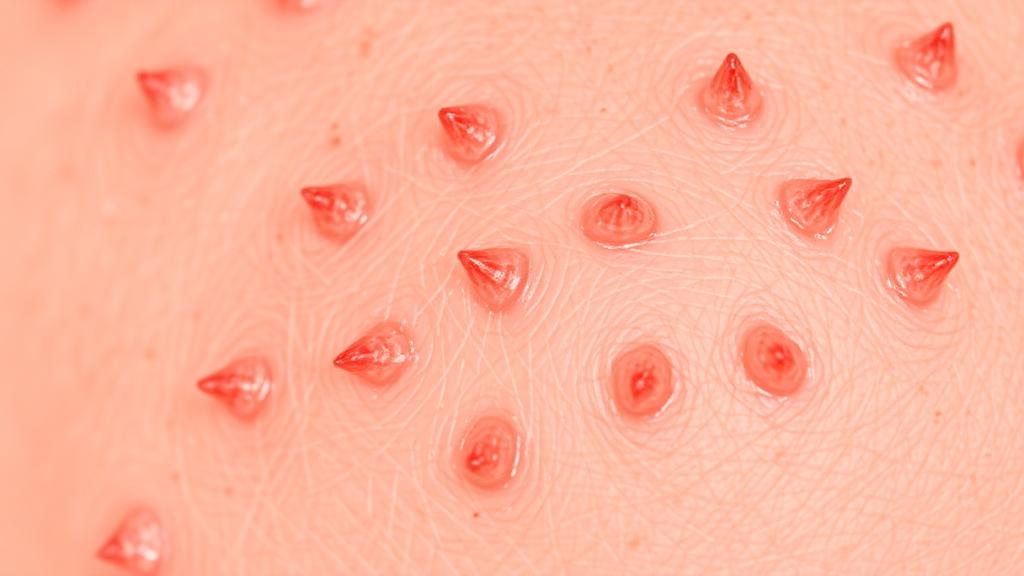
Prurigo nodularis, a chronic inflammatory skin disease characterized by intensely itchy, raised nodules, may be linked to an increased risk of skin cancer, according to a new research letter published in Archives of Dermatological Research. This study, led by Mackenzie K. Joe from the Baylor College of Medicine and involving colleagues Malak Husseinali and Carina A. Wasko, utilized data from the All of Us Research Program—a diverse and extensive biomedical database in the United States—to explore the relationship between prurigo nodularis and skin cancer incidence.
Read More
The research posed a crucial question: do individuals with prurigo nodularis develop skin cancer more frequently than those without the condition? This inquiry is significant as prurigo nodularis is commonly perceived as a debilitating disorder that can severely impact quality of life. Recent studies, including a notable 2019 analysis published in the Journal of the American Academy of Dermatology, have hinted at a potential association between prurigo nodularis and malignancy, stirring ongoing debate among dermatologists about whether this skin condition could indicate underlying systemic issues.
Complicating the research is the potential for confounding factors. Patients with prurigo nodularis often have other inflammatory conditions and may be more frequently observed by healthcare providers, which can affect cancer detection rates. To address this, the study employed a propensity score-matched cohort design, allowing for a more accurate comparison between those with and without the disease by matching them on relevant characteristics.
The All of Us Research Program aims to enroll over one million Americans, focusing on populations that have traditionally been underrepresented in biomedical studies. By linking electronic health records, surveys, and physical measurements, this project provides a unique resource to study real-world patient populations on a large scale. Utilizing this database, the Baylor team established cohorts of individuals with and without prurigo nodularis and tracked skin cancer occurrences among them.
The findings of the study encompass various types of skin cancer, including keratinocyte malignancies and melanoma. Notably, the research also raises questions about the biological mechanisms that could link chronic inflammatory skin disorders like prurigo nodularis to cancer risk, as chronic inflammation is known to contribute to tumor development in various tissues, including the skin.
While the findings of this study are significant, researchers caution that the study's observational nature limits conclusions about causation. Factors such as sun exposure and behavioral tendencies, like scratching, were not entirely controlled for, and are known to influence skin cancer risk.
The results highlight the importance of considering prurigo nodularis within the context of other inflammatory skin diseases in terms of screening for comorbidities. This research adds to a growing body of evidence supporting the need for ongoing investigation into the potential links between prurigo nodularis and cancer, particularly as the database expands and further research is conducted.
Ultimately, for patients suffering from prurigo nodularis, the findings emphasize the importance of early diagnosis and treatment rather than inciting panic. With the potential for added cancer risk, patients may benefit from proactive management strategies, including modern biologic therapies. As research progresses, the relationship between prurigo nodularis and skin cancer may become clearer, offering insights into underlying mechanisms that connect skin inflammation and cancer.