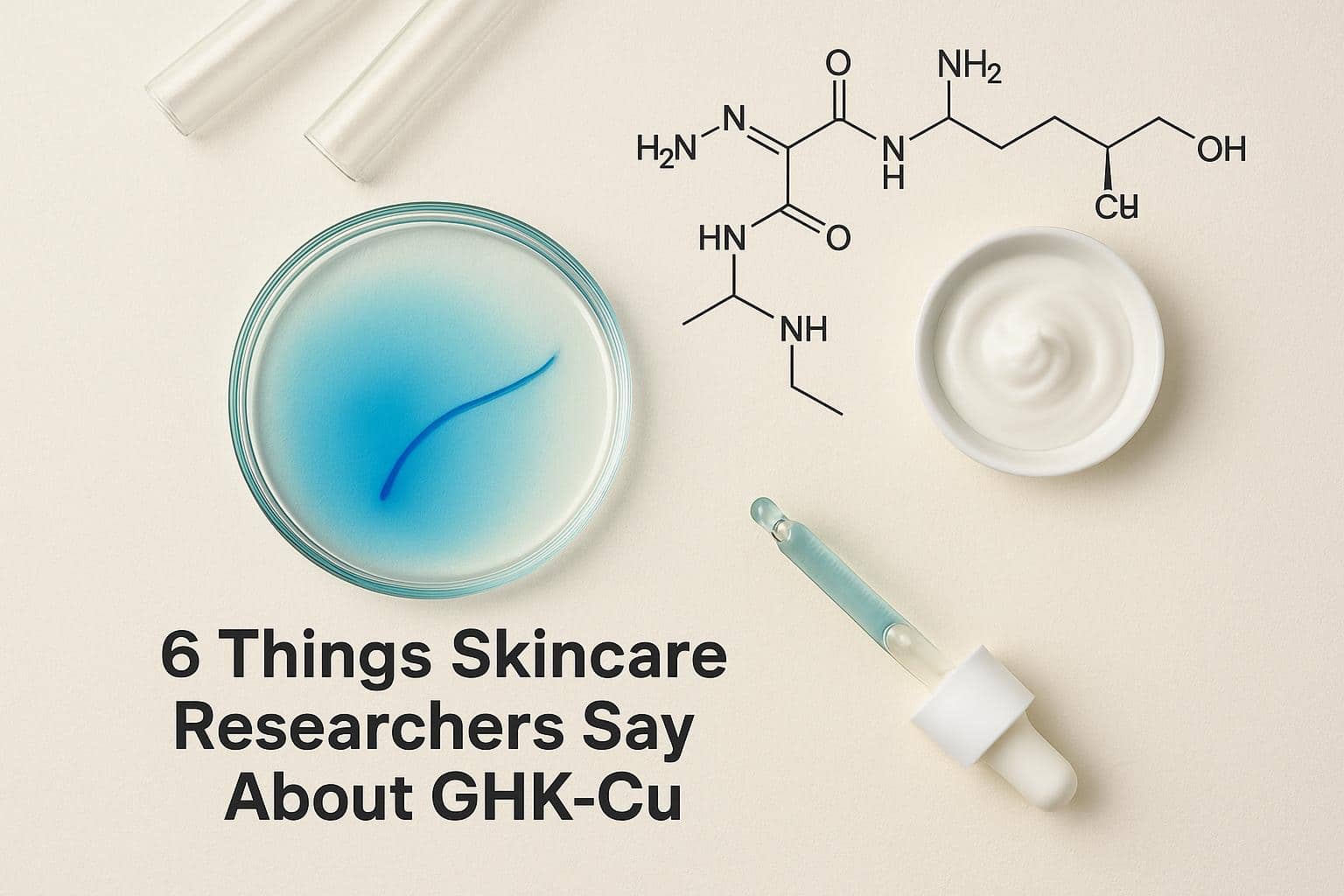
The copper tripeptide GHK-Cu is one of the most extensively studied peptides in relation to skin care. Its frequent mention in both cosmetic and research discussions highlights its significance. Here are six important points frequently noted by researchers.
Read More
GHK-Cu is a naturally occurring copper peptide composed of three amino acids linked to a copper ion. A variant of this peptide is found in human plasma, though its levels typically decline with age. This natural occurrence contributes to the scientific interest in GHK-Cu.
Much of the research interest focuses on skin-related processes, such as collagen production and skin cell behavior. While it serves as a valuable molecule for laboratory studies, it is important to note that results from these studies do not necessarily translate to proven cosmetic efficacy.
GHK-Cu is incorporated into some commercial skincare products, demonstrating its presence in both finished cosmetics and ongoing research. Maintaining clarity between these two contexts is essential to avoid misunderstanding its role.
When marketed as a research compound, GHK-Cu is intended solely for laboratory use and is not an approved drug. Reputable suppliers will clearly label it as research material, distinguishing it from commercially tested products.
The quality and concentration of GHK-Cu can vary significantly between different sources. Researchers emphasize the importance of evaluating the manufacturing and testing processes, as price alone does not determine quality.
Documentation plays a crucial role in establishing trust. A batch-specific certificate of analysis from a recognized third-party lab is the best indicator of quality. It is vital to verify the lot number, testing date, and methods used to ensure transparency over marketing claims.
GHK-Cu is notable for its natural presence in the body and its extensive research background, but it should be viewed as a material for study rather than a standalone treatment. Understanding its contexts and prioritizing documentation are essential steps for researchers.