Fast fashion brands are increasingly promoting initiatives that claim to lower their environmental impact, such as reducing carbon emissions, chemical pollution, and resource usage. However, a review of their sustainability reports highlights a considerable gap between marketing and actual practices.
Read More
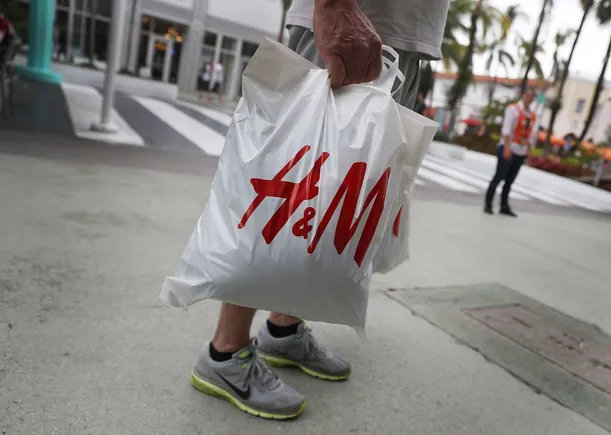
H&M's latest sustainability report claims that 91% of its product materials were sustainably sourced. Yet, the company produced 364,093 metric tons of clothing in 2025, a volume comparable to 36 Eiffel Towers. CEO Daniel Ervé stated that H&M's business model is focused on offering fashion and quality at competitive prices while attempting to maintain sustainability.
Inditex, which owns brands like Zara and Bershka, reported using 705,554 metric tons of raw materials in 2025, an increase from 678,596 metric tons in 2024. Inditex CEO Óscar García Maceiras noted that 88% of their fibers were classified as lower impact fibers, mirroring claims from H&M.
Shein, a major fast fashion retailer with up to 600,000 items available online, has highlighted its commitment to environmental responsibility through its acquisition of sustainable brand Everlane, which professes a mission to improve the fashion industry's environmental practices.
Despite fast fashion companies generating substantial revenue—H&M, Zara, and Shein reported respectively around $23.5 billion, $46.3 billion, and over $50 billion in sales for 2025—their business models inherently produce significant waste. H&M aims to become a circular company by 2040, focusing on long-lasting products made from recycled and sustainably sourced materials.
However, these companies collectively generate tens of thousands of metric tons of waste, with upstream waste likely being even higher. Javad Nasiry, a professor at McGill University, emphasized the challenge of making the fast fashion business model sustainable, citing that it inherently compromises on quality due to the rapid production pace.
Fast fashion's rapid response to trends often leads to consumer behavior that encourages overconsumption, as clothing can be deemed out of style quickly. Nasiry remarked that while individual products may be sustainable, the volume produced results in a substantial environmental footprint.
The nonprofit Textile Exchange defines preferred materials as environmentally favorable compared to conventional options and aims to reduce greenhouse gas emissions in raw material production by 45% by 2030. H&M, Inditex, and Shein, all part of this network, have reported increases in sustainable material usage alongside rising overall production and emissions.
Even recycled materials can reduce a product's lifespan, potentially undermining circularity goals. Xiaoyang Long from the University of Wisconsin-Madison pointed out that recycled fibers, while lower in emissions, may not offer durability, reducing the longevity of products.
Companies like Inditex maintain a swift production cycle to keep inventory low, tailoring their offerings to reflect current consumer trends. However, Long cautions that quick response systems may only shift waste further up the supply chain.
Legislation in the European Union, such as the recent ban on destroying unsold clothing, aims to address waste directly. French laws targeting fast fashion platforms like Shein and Temu are also being enacted, pushing for accountability on inventory management.
Despite rising public awareness of fashion's environmental impact, consumer demand for fast fashion persists, as indicated by the prevalence of hashtags like #sheinhaul on TikTok. The industry faces a significant challenge in reconciling its profitable model with sustainability efforts.