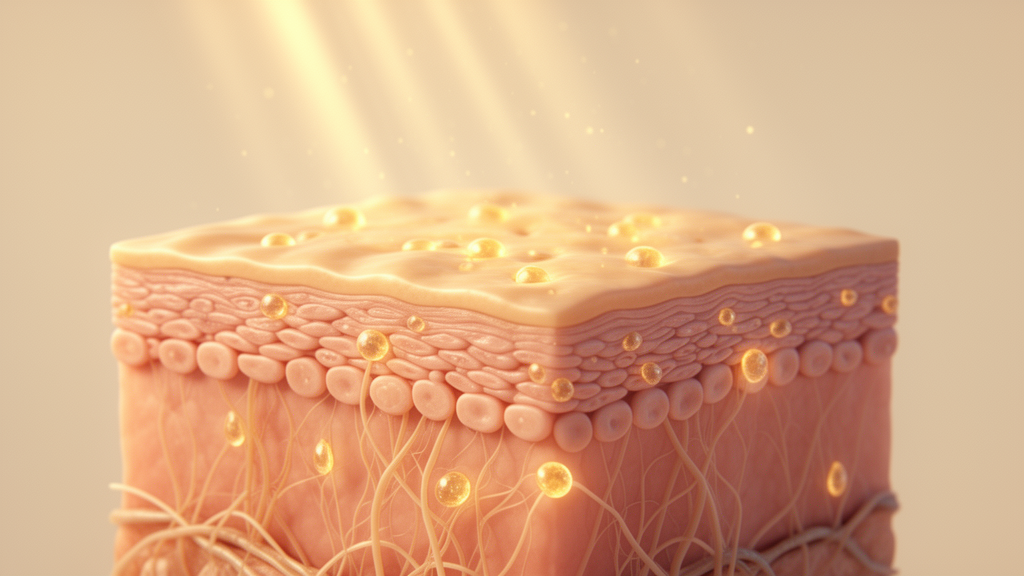
Research published in Frontiers in Photobiology by Indermeet Kohli of Henry Ford Health and Yolanda Gilaberte of Miguel Servet University Hospital highlights a significant shift in understanding how human skin interacts with various wavelengths of light. Traditionally, photobiology focused on the harmful effects of ultraviolet (UV) radiation, particularly its role in DNA damage and skin cancer. However, this editorial emphasizes a broader perspective, showcasing the importance of immune signaling, pigmentation, and other biological responses influenced by light.
Read More
One of the key studies referenced comes from Lesiak and colleagues, who explored the influence of NLRP1 and NLRP3 inflammasomes and the cytokine IL-33 on skin cancer related to UV exposure. Using keratinocyte models, the researchers found a dose-dependent increase in IL-33, IL-18, and IL-1β in response to both UVA and UVB radiation. When NLRP1 or NLRP3 was silenced, the expression of cytokines decreased, suggesting that inflammation associated with UV exposure plays a significant role in skin cancer development. This indicates that not just genetic mutations, but also immune responses may contribute to carcinogenesis, emphasizing the need for new strategies in cancer prevention.
The editorial also critiques the existing emphasis on ultraviolet radiation, with Bardhi and colleagues examining how visible light affects pigmentation in individuals with darker skin tones. Their comparative study of noninvasive techniques versus traditional biopsy methods found that noninvasive assessments were more effective in detecting enduring pigment changes caused by visible light. This finding underscores the necessity for standardized assessment tools to improve understanding of photobiological responses across diverse skin types.
Wang and colleagues explored photodynamic therapy using hemoporfin for treating port wine stains in children previously treated with pulsed dye lasers. They found that prior laser treatments did not significantly affect the efficacy of the new therapy, illustrating the potential for tailored treatments based on individual vascular characteristics and the biological mechanisms of light interaction.
Additionally, Aguilera and colleagues evaluated consumer UV-indicating devices, finding that many do not accurately measure UV exposure due to saturation at low intensity levels. This raises concerns about public reliance on these devices for sun protection, which could lead to misguided choices regarding sun exposure.
Overall, the editorial details how light responses in skin are highly specific to the wavelength and context, suggesting a need for refined methodologies in research and evaluation. It advocates for interdisciplinary collaboration to deepen understanding of these relationships and improve skin health across different populations. By expanding frameworks beyond just UV radiation, the research aims to facilitate innovations in diagnostics and treatments that harness the complex interaction between skin and light.