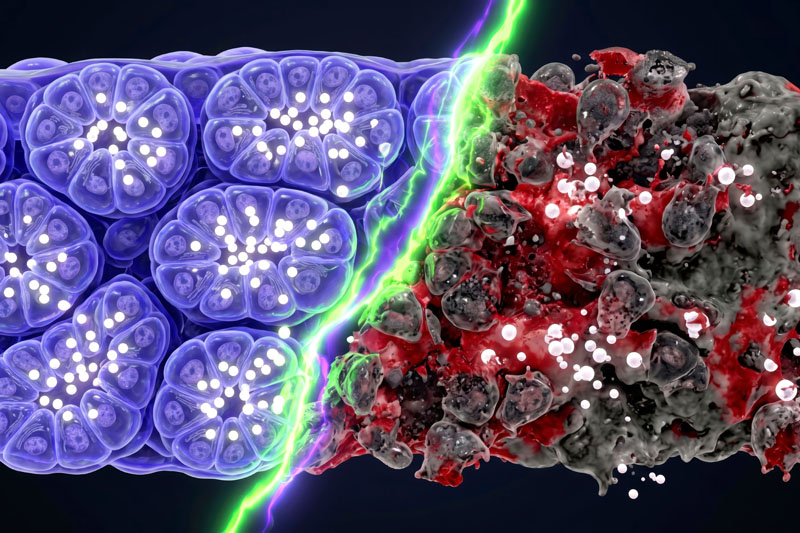
The World Health Organization has designated 2021 to 2030 as the United Nations Decade of Healthy Ageing, aiming to enhance the lives of older populations, their families, and communities. With over one billion individuals aged 60 and above worldwide, and a rising life expectancy, the urgency for initiatives that support healthy ageing is clear.
Read More
As individuals age, the production of essential components in the skin, joints, and eyes declines, leading to issues such as wrinkles, joint discomfort, and dry eyes, according to Dr. Franziska Weichmann, Manager of Scientific Communications and Product Development at Horphag Research.
Pycnogenol®, a French maritime pine bark extract, has been shown to offer substantial benefits for tissue support and the extracellular matrix, a critical component of various tissues including skin and joints. This matrix contributes to structural stability, cell adhesion, communication, growth, and immune regulation, with major components like collagen, elastin, and hyaluronic acid.
In clinical trials involving healthy female volunteers aged 55 to 68 over three months, Pycnogenol supplementation resulted in a 44% increase in the expression of hyaluronic acid synthase, which is essential for skin hydration and tissue support. Additionally, collagen synthesis increased by an average of 40%, helping to maintain tissue stability and connectivity. Pycnogenol also inhibited the release of destructive enzymes that degrade collagen and elastin, thereby protecting connective tissues from damage.
To maintain healthy skin capable of withstanding various external stressors, adequate hydration and elasticity are crucial. Collagen contributes over 30% to the extracellular matrix, providing necessary support, while elastin is vital for elasticity. Pycnogenol's ability to enhance collagen and hyaluronic acid production has been linked to improved skin hydration and elasticity.
In the same study mentioned earlier, participants demonstrated a 21% increase in skin hydration, particularly those who began with dry skin. Pycnogenol also improved skin elasticity by 25%, decreased fatigue by 30%, and reduced wrinkles by 3%, with a 6% increase in overall skin smoothness. A separate study involving outdoor workers indicated a 13% improvement in skin elasticity after three months of Pycnogenol use, compared to just a 1% increase in the placebo group.
Furthermore, during hot summer months, Pycnogenol supplementation reduced skin moisture loss by 14%, significantly outperforming the placebo group, which exhibited only a 3.3% reduction. This finding illustrates Pycnogenol’s effectiveness in reinforcing skin barrier function, supported by increased gene expression linked to keratinocyte differentiation.
In terms of wound healing, the components within the extracellular matrix play a crucial role. Pycnogenol has shown to enhance the production of collagen and hyaluronic acid while preventing the degradation of elastin, thereby demonstrating effective wound healing capabilities. In studies involving patients receiving oncological treatment, Pycnogenol reduced mouth and throat soreness and ulceration by 14.4% compared to a control group. Additionally, a study involving venous ulcers indicated an 88% reduction in ulcer size after six weeks of Pycnogenol intake.
Overall, Pycnogenol's contributions to the extracellular matrix, along with its strong anti-inflammatory properties and positive effects on microcirculation, highlight its potential benefits for skin, joint, and eye health.