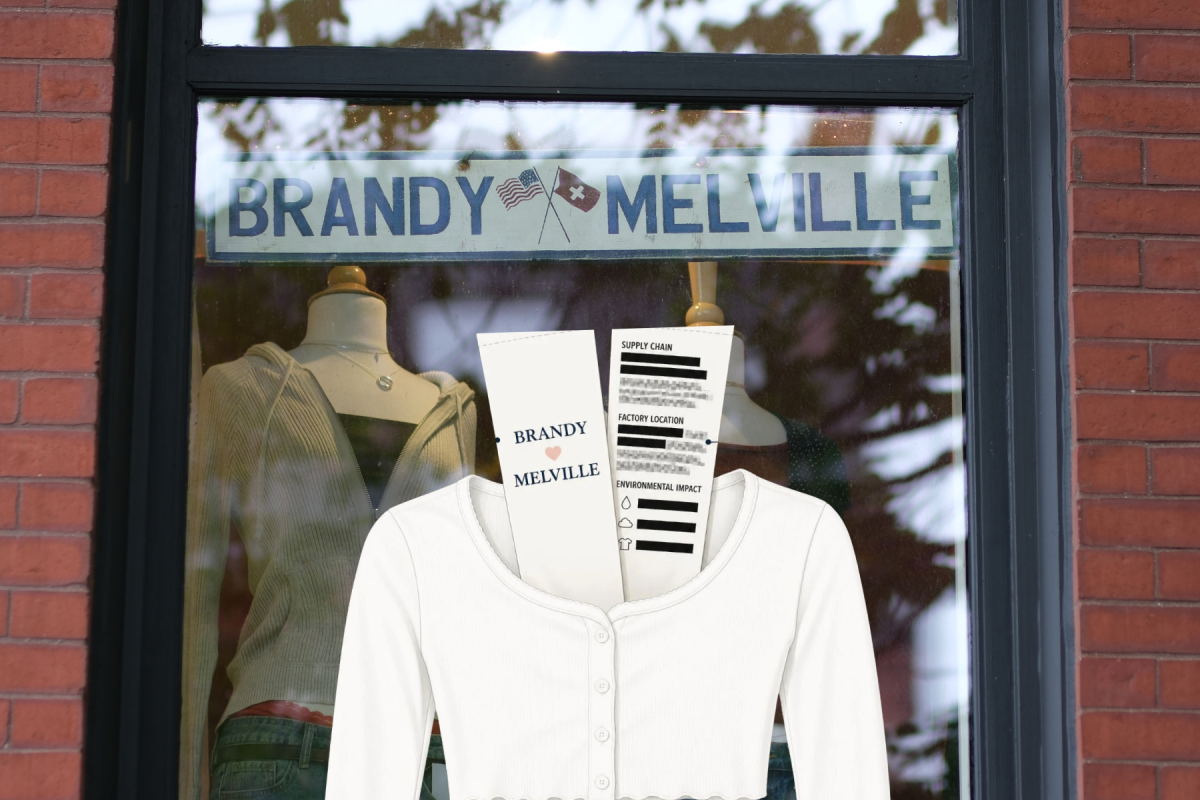
Brandy Melville’s “one-size-fits-all” approach has faced criticism for years, but the brand’s environmental impact has not received as much attention. The fast-fashion company has built its reputation on affordable, trendy basics, many of which are labeled as “100% cotton.” For consumers who aim to avoid polyester and synthetic materials, that designation may seem reassuring.
Read More
However, little is known about the actual cotton used in Brandy Melville products. While the brand's product pages provide information on fabric and manufacturing locations, there is a lack of transparency regarding the production processes.
Brandy Melville exemplifies a broader issue in the fashion industry. According to the 2024 Fashion Accountability Report by the non-profit Remake, among the 52 large fashion companies assessed, 20 did not disclose their Tier 1 suppliers, which are the final-stage factories where garments are made. None shared a supplier list tracing back to raw materials, information that would clarify the origins of a garment’s fabric. In contrast, H&M Group has maintained transparency by publishing its supplier factory list since 2012.
Brandy Melville's transparency rating from Good On You is the lowest possible, labeled “We Avoid,” due to insufficient publicly available information. The fashion tracker Ecothes describes it as one of the least transparent brands in the industry, noting the absence of a sustainability report or certifications.
The term “100% cotton” does not imply sustainability. Cotton farming is often water- and pesticide-intensive. The Water Footprint Network estimates that producing one kilogram of cotton fabric requires nearly 10,000 liters of water on average, though this varies by region and farming practices. Cotton accounts for approximately 6% of global pesticide use despite covering only 2.4% of cultivated land. Currently, Brandy Melville does not specify whether its cotton is organic or conventional.
While many consumers prefer cotton over synthetics due to concerns about chemical exposure, research suggests that the risks may be lower than perceived. A 2024 study found minimal risk from skin exposure to chemical pollutants in clothing, even in synthetic garments. Notably, a separate study on children's clothing highlighted that polyester retained higher levels of chemicals after washing compared to cotton.
Balancing personal consumption choices with sustainability has become increasingly complex. While Brandy Melville's products remain popular, the lack of accessible information complicates shoppers’ decisions. Many find themselves choosing between two cotton shirts, one priced at $15 and the other at $45, with no clear indication of which option is more sustainable.
The disparity in pricing and the challenge of making informed decisions underscores the privilege often associated with sustainable fashion choices. Secondhand shopping has grown, with a June report revealing a 22% increase in secondhand transactions. ThredUp estimates the U.S. secondhand clothing market has doubled since 2020, now valued at approximately $56 billion.
Despite the appeal of cotton labels, consumers are left without crucial information regarding cotton’s origins and environmental impact. While it is unrealistic to expect Brandy Melville to operate as a perfect sustainable brand, the demand for better transparency is clear. Until brands offer more detailed information, “100% cotton” remains an inadequate indicator of sustainability.