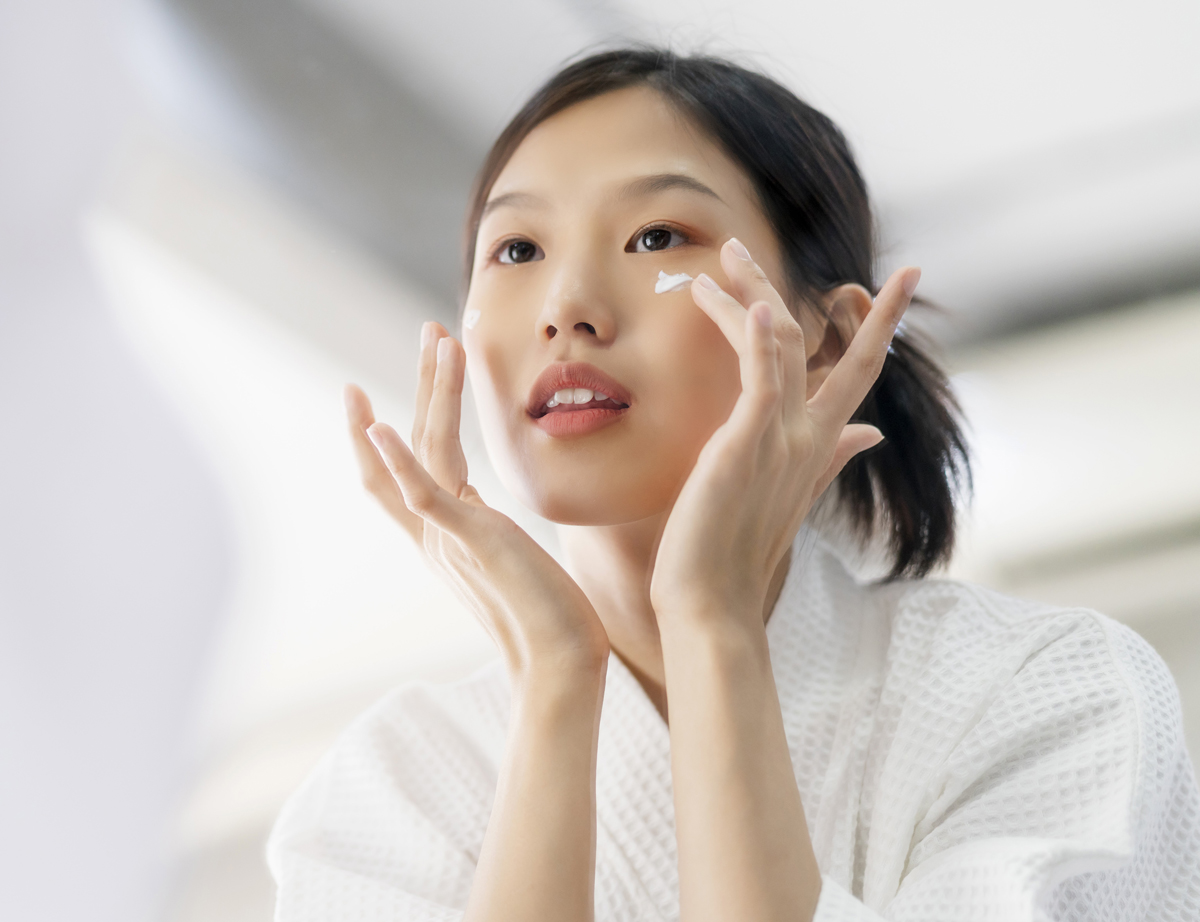
Applying moisturizer after washing your face in the morning does not guarantee all-day hydration, according to a study conducted by researchers at Nova Southeastern University. The study analyzed the moisturizing effects of four different commercially available moisturizers on 30 healthy adults and found that most products sustained skin hydration for only 3 to 5 hours.
Read More
The moisturizers tested included a ceramide and hyaluronic acid cream, a glycerin and petrolatum cream (Vaseline), a urea and shea butter cream, and a multi-hyaluronic acid botanical serum. Researchers applied these products to the inner forearms of participants, with untreated skin serving as a control. Moisture levels were measured before and at 1, 4, and 24 hours following application.
Findings showed that the glycerin and petrolatum cream and the urea and shea butter cream maintained hydration for approximately 3 hours and 3.5 hours, respectively. The multi-hyaluronic acid serum provided hydration for around 5 hours. After this period, the moisturizing effects diminished, returning to levels similar to the untreated skin.
Despite the overall average hydration levels not showing significant differences after 24 hours, the study noted that skin hydration noticeably increased immediately post-application, but this effect lessened over time. The ceramide and hyaluronic acid cream did not demonstrate a significant difference in skin hydration compared to the control, leading researchers to suggest that ceramides might maintain the skin barrier without rapidly increasing hydration.
The results suggest that for optimal skin hydration, moisturizers should be reapplied every 3 to 5 hours. However, it is important to note that this study was limited to healthy adults applying moisturizer once and did not explore the impact of more frequent applications on skin health.
For individuals with skin conditions requiring continuous moisturization, such as atopic dermatitis or eczema, relying solely on morning and evening applications may be insufficient. The authors recommend that those with skin conditions consult healthcare professionals for personalized advice. The study's findings were published in the academic journal ‘Skin.’