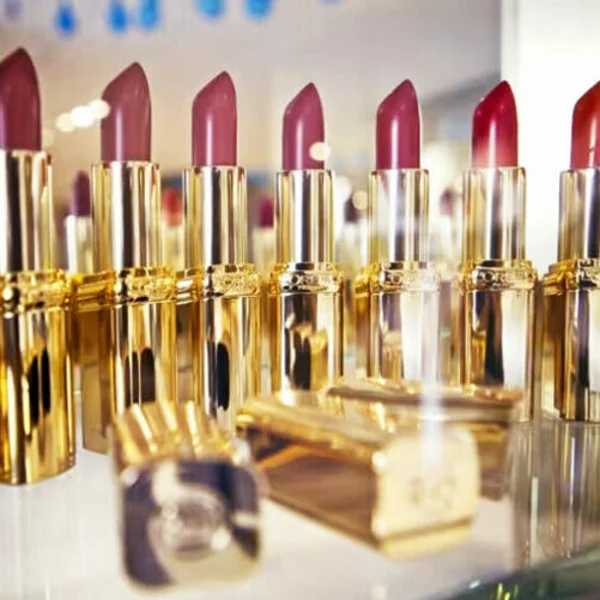
In an effort to rekindle growth, the luxury industry is witnessing a surge in high-end cosmetics, as consumers lean towards these more accessible purchases rather than expensive fashion items. L’Oréal, the top player in this sector, has recently surpassed LVMH in the CAC 40 index.
Read More
At Galeries Lafayette in Paris, shoppers crowded the ground floor, with customers like Jessica Karawa, 32, exploring luxury fragrances. Despite her love for luxury, she noted that rising prices have limited her spending. "I bought this bag for €1,000 five years ago; now the same item sells for €1,500," she said.
The first half of the year saw significant sales growth in high-end cosmetics, with a 7% increase in North America, 5% in Europe, and 10% in Latin America, as reported by consultancy Circana. Mathilde Lion, a director at Circana, emphasized that this marks the fifth consecutive year of strong growth in the prestige cosmetics market worldwide.
Luxury brands have adapted by creating product lines that allow customers to engage with their brands without overspending. Brands like Hermès introduced lipsticks in 2020, and Celine followed suit in 2024. This approach is crucial, especially as leather goods, traditionally central to luxury sales, have experienced a downturn. LVMH and Kering reported a 5% decline in their fashion and leather goods divisions in the first half of the year.
Bain & Company estimates that the luxury market lost 20 million customers between 2024 and 2025, following a previous loss of 50 million. In a clear sign of the beauty sector's rising stature, L’Oréal has become the leading company in the CAC 40, demonstrating a shift in the luxury market's focus towards cosmetics.
Eric Briones, an industry expert, noted a transformative shift in 2026: "the centre of gravity in the luxury sector shifted from fashion to the broader beauty sector." Gen Z, who prioritize self-optimization, are also reshaping luxury consumption, according to marketing professor Benoît Heilbrunn. He suggested that young consumers desire the allure of luxury but may not necessarily invest in high-priced items.
Luxury cosmetics can sometimes carry exorbitant price tags, with products like a Swiss serum costing €300 for 30 ml—equivalent to €10,000 per litre. Eric Briones warns that the "hyperinflation of luxury" could push some consumers toward more affordable alternatives or 'dupes' of high-end products.