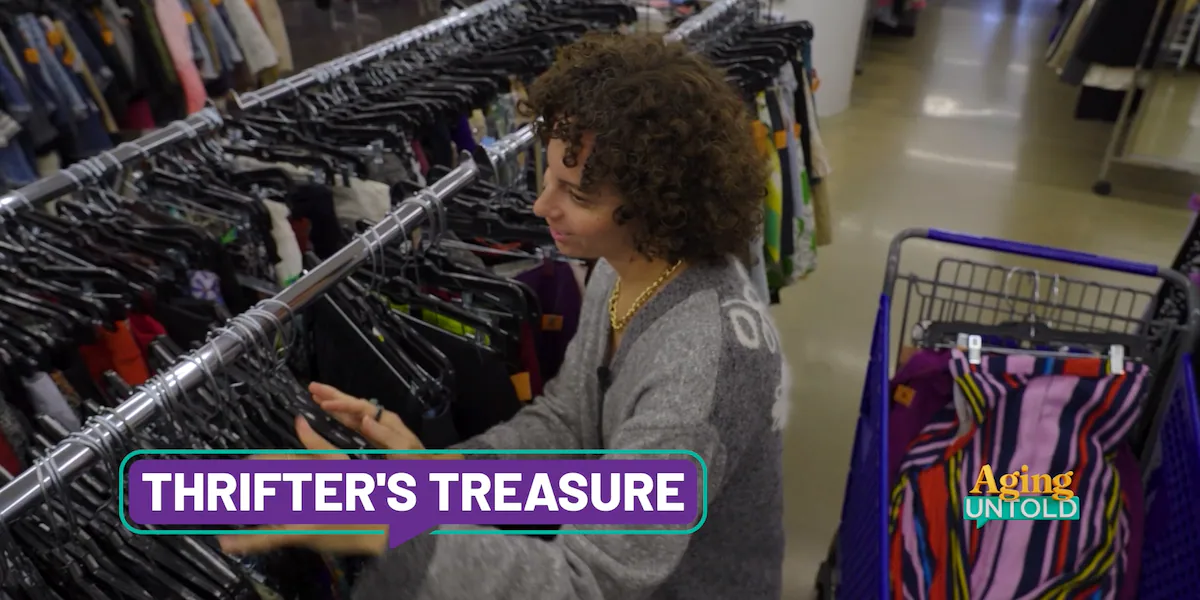
Retail experts report a significant rise in the number of American consumers, including older shoppers, purchasing pre-owned and sustainable clothing. The 2025 Resale Report from ThredUp indicates that the U.S. secondhand apparel market is expanding at approximately 9 percent annually.
Read More
Stephanie Hernandez, a secondhand stylist from Washington, D.C., merges her passion for thrift shopping with her profession. Clients hire her to curate unique, sustainable wardrobes, reflecting a wider desire for responsible shopping despite time constraints. Hernandez emphasizes that many consumers are becoming increasingly aware of sustainability issues but lack the time to search for standout thrift store finds. She believes that buying new clothing increases waste, contributing to environmental issues, as the Council for Textile Recycling estimates that the average American discards over 70 pounds of textile waste annually.
Globally, the United Nations Environment Programme reports that the equivalent of one garbage truck full of textiles is landfilled or burned every second. Hernandez launched her business to raise awareness about these challenges, aiming to educate customers on alternative shopping options.
Mikki Taylor, a fashion design professor at Howard University's Chadwick A. Boseman College of Fine Arts, also promotes sustainable fashion. In her course, she encourages students to reflect on their consumption habits and the environmental consequences of clothing production. Taylor advises newcomers to secondhand shopping to assess their own wardrobes and consider how items can be repurposed, suggesting they start with a staple piece around which to build their outfits.
According to Hernandez, the process begins with clients evaluating their existing clothing before exploring thrift stores, demonstrating that previously owned items can be revitalized into fresh looks.