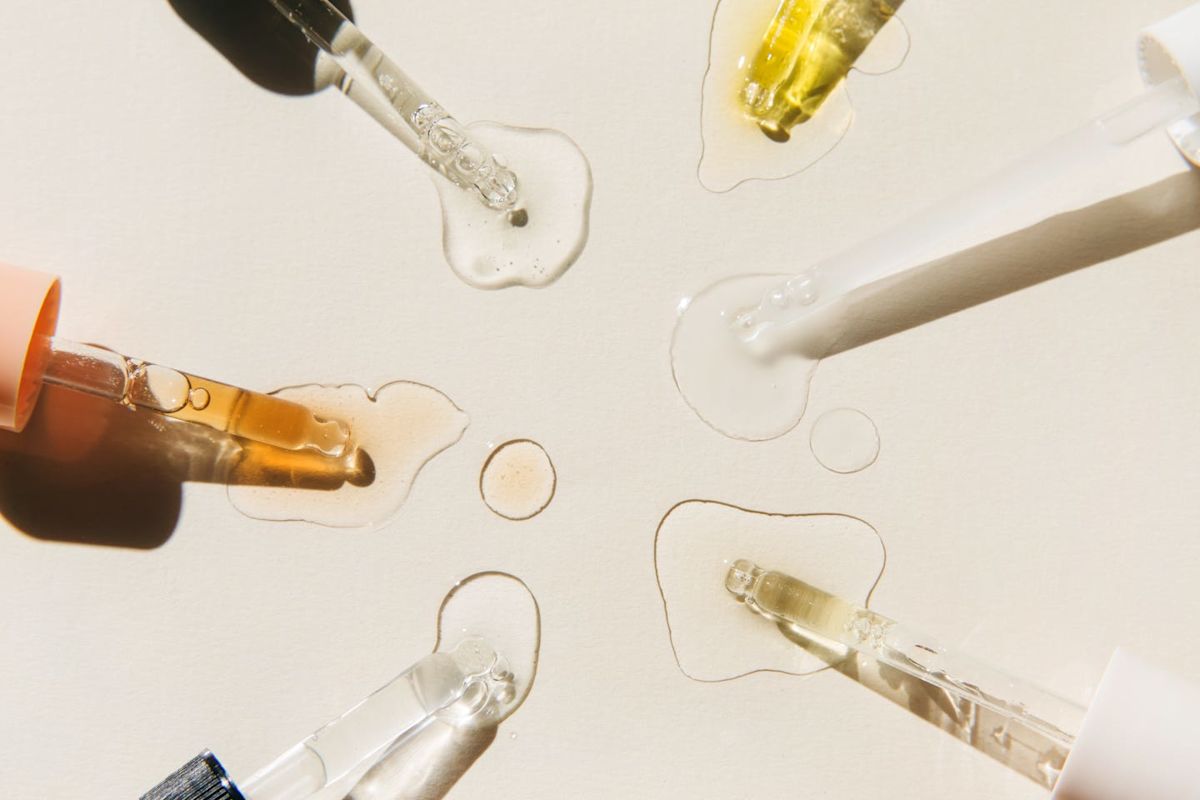
With the popularity of "skincare smoothies" among influencers, many are experimenting with combining various products like serums and moisturizers. However, not all skincare ingredients are compatible, and certain combinations can actually be harmful.
Read More
Jessie Cheung, M.D., a board-certified dermatologist, describes skincare cocktailing as layering or pairing ingredients for synergy. However, she warns that some active ingredients should not be mixed. Sabina Wizemann, Beauty Lab Director, advises against combining retinol, vitamin C, alpha hydroxy acids (AHAs), beta hydroxy acids (BHAs), and benzoyl peroxide due to potential irritation and reduced effectiveness.
Danusia Wnek, Beauty Lab Senior Chemist, adds that using AHAs and retinol back-to-back is also discouraged unless they are specifically formulated together, as this can lead to excessive skin irritation. Alternating their use on different nights is recommended to mitigate these risks.
Dr. Cheung emphasizes that skin irritation is a sign that mixed ingredients may not be working well for the skin. If combined properly, the goal of skincare cocktailing should be to enhance skin health.
On the other hand, some combinations can yield positive results. Dr. Cheung suggests pairing ingredients that support skin barrier repair, such as ceramides and hyaluronic acid, to boost hydration. She also highlights the effective pairing of antioxidants with sunscreen for enhanced sun protection. Wnek elaborates that vitamin C, as a powerful antioxidant, helps protect against cellular damage from UV light and pollution, complementing the protective role of sunscreen. However, she emphasizes that vitamin C should not replace sunscreen, and antioxidant serums should be applied before SPF.
In summary, it is possible to mix skincare safely, provided the right ingredients are chosen. Consulting a dermatologist is recommended to tailor combinations to individual skincare needs, while avoiding those that may irritate the skin.