The rise of dupes—affordable alternatives to high-end beauty products—is increasingly noticeable on social media. Beauty enthusiasts showcase these lower-cost substitutes on platforms like Instagram, leading some, such as one user who features Charlotte Tilbury’s products, to claim they have stopped purchasing the originals altogether. Discussions on Reddit reveal users actively seeking budget-friendly equivalents to premium cosmetics, with one commenter stating that if they like a dupe, they will eventually buy the original.
Read More
Unlike counterfeit goods that were once primarily sold discreetly, dupes are becoming mainstream, drawing investor interest. A notable example is Dossier, a U.S.-based fragrance company acquired by American Pacific Group in April, known for its perfumes "inspired by" luxury scents.
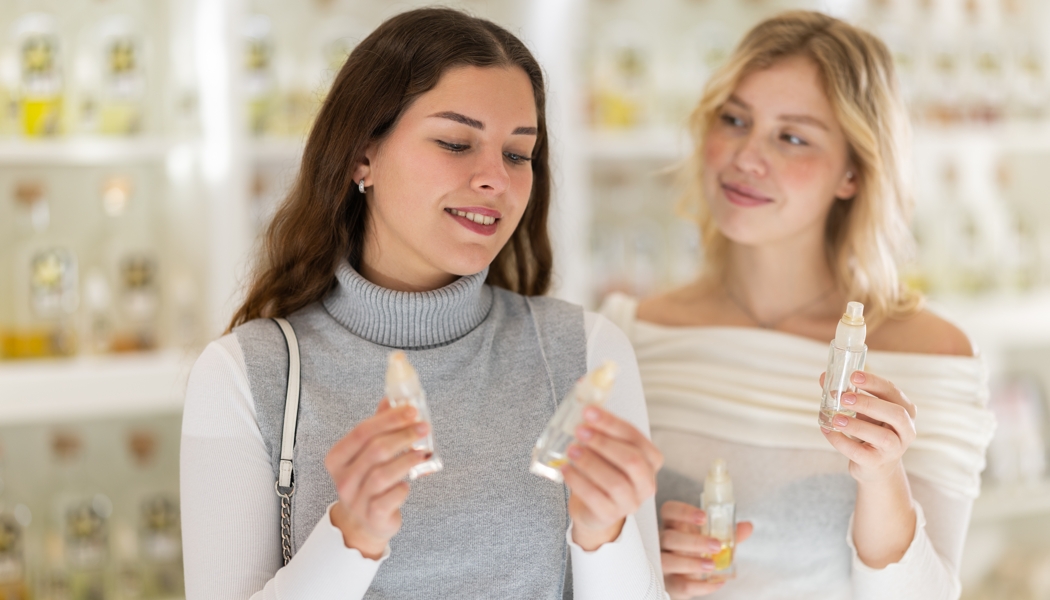
Dupes are not limited to online sales; they are now found in European retailers like Lidl and Action, which advertise fragrances "inspired by popular perfumes." For instance, Oh Belle Femme by Capace is positioned as a lower-cost alternative to Lancôme's La vie est belle, with a stark price difference of less than EUR 3 for 100 ml versus EUR 149 for the original.
Some brands openly embrace the term "dupe." Inspire uses it in their marketing, stating that Inspire 103 is a dupe of the iconic Baccarat Rouge 540, offering it at a significantly reduced price. Benoît Heilbrunn, a marketing professor at ESCP Business School, observes that the normalization of imitation has shifted consumer attitudes, with many now preferring products that resemble luxury items over the originals, indicating a fundamental change in consumer relationships with imitations.
However, the narrative surrounding dupes may be misleading. Guillaume Teulé, co-founder of Hélius Paris, points out that the economics of fragrance production are more intricate than dupe brands portray. For a perfume sold at EUR 100, a large portion goes to retailers and marketing, which is avoided by dupe producers who sell directly to consumers without substantial marketing costs. Franck Besnard, head of Estée Lauder France, describes dupes as a “new generation of counterfeits” that threaten the integrity and creativity of the fragrance industry.
The French trade organization FEBEA is monitoring this trend and pursuing legal actions. Xavier Guéant, the organization’s legal affairs director, attributes the growth of dupes to the impact of social media and e-commerce. He expresses concerns beyond intellectual property, highlighting the low pricing and potential safety and regulatory issues regarding these products.
Brands have legal options, including intellectual property protections and claims of unfair competition. However, the effectiveness of these measures remains uncertain, with calls for increased involvement from public authorities. Comparisons have been drawn to concordance tables, which match lower-cost products to branded ones and face legal challenges in France, pointing to the difficulty of addressing the dupe phenomenon globally.