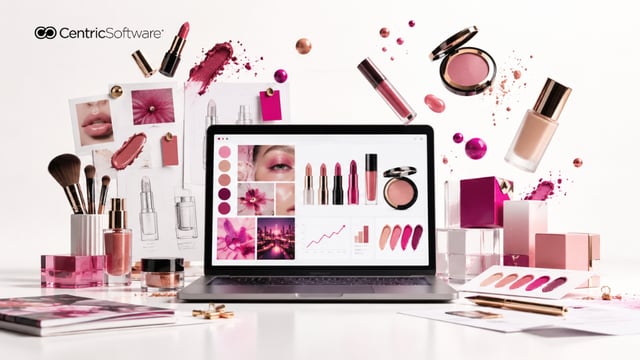
The beauty industry faces unique challenges as fast-changing trends reshape consumer demand. Products can quickly transition from niche to sold-out within days, necessitating agile product development teams to create tangible goods before consumer interest shifts. Keeping track of buying behavior and market opportunities is crucial, with tools like Centric Market Intelligence helping brands respond to dynamic packaging trends and social media influences.
Read More
AI technology plays a growing role in streamlining this process. While many beauty brands use AI for creating initial mockups or marketing images, these outputs often lack integration with actual product data. Solutions such as Centric AI Studio aim to connect AI ideation with real-time product specifics—such as SKUs, formulations, and available colors—transforming AI from a creative tool into a vital part of the execution process. This capability allows teams to visualize new products swiftly without restarting the creative cycle with every update on texture or packaging.
The impact of viral beauty trends is exemplified by the rapid growth of K-beauty in the U.S. market, which became the largest export destination for Korean cosmetics in 2026. Data from Centric Market Intelligence shows a 165% increase in Korean beauty brands in the U.S. since early 2024. Specific products have seen remarkable success; for example, Rom&nd's Juicy Lasting Tint sold out 68% in the U.S. within 30 days of being mentioned by actress Sarah Pidgeon, while TIRTIR’s innovative campaigns propelled their Mask Fit Red Cushion Foundation into the spotlight.
However, the gap between identifying trends and launching products remains significant. Notably, while online searches for “peptide serum” spiked in April 2023, actual product launches featuring this ingredient lagged until June, causing brands to miss timely opportunities. As trends emerge, there is often an immediate need for new visuals and marketing materials, with delays translating to lost momentum.
In addition, the growing consumer preference for refillable and hybrid products puts extra pressure on packaging development. The U.K. saw an 18% rise in refillable beauty product sales in 2025, with stick-format products increasing by 43% year-over-year in early 2026. Each new format demands careful consideration of materials and designs, making early digital visualization critical to streamline decisions before moving into physical prototyping.
Furthermore, the incorporation of smart packaging, such as QR codes and connected experiences, transforms packaging into a platform for digital engagement rather than just a protective covering. Brands like Perfect Diary and Florasis are already leveraging this trend to enhance customer interaction with loyalty programs and educational content.
To keep up with rapidly shifting consumer preferences, the alignment of product information and visualization with real-time data is essential. This coordination allows teams to collaborate effectively, minimizing delays and enabling faster market readiness. Brands must balance speed with the quality and readiness of their products to meet the demands of an ever-evolving beauty landscape.