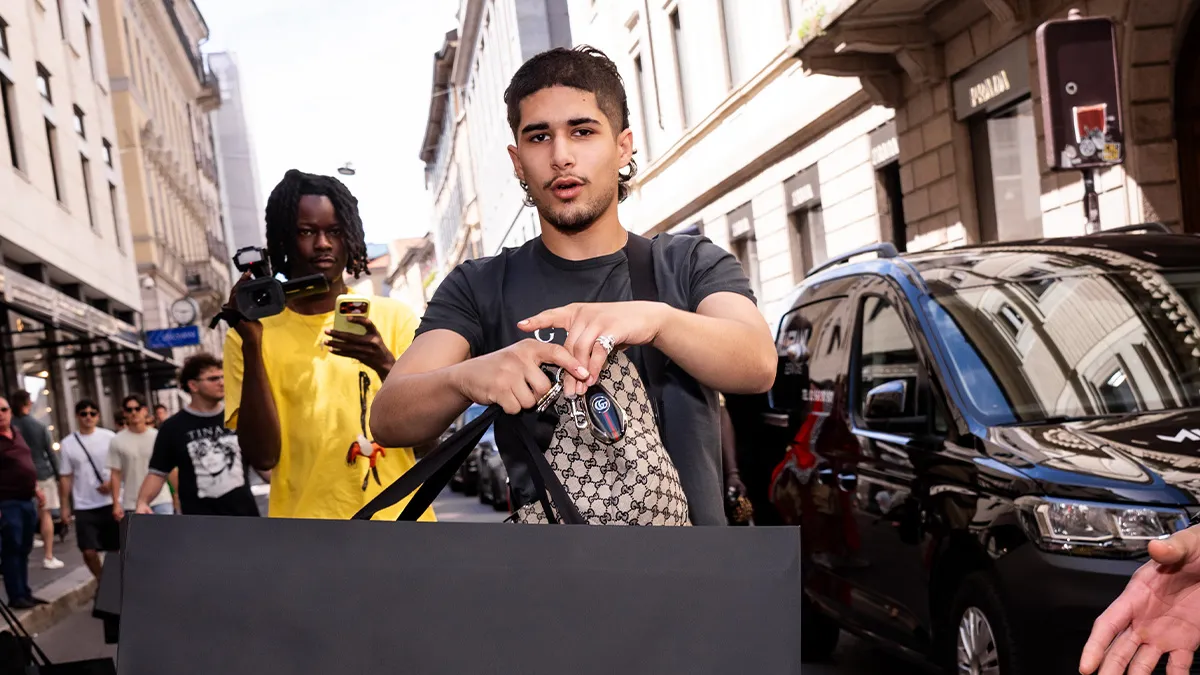
This season, fashion is embracing a chaotic aesthetic that reflects the complexities of youth culture. Prada showcased skimpy bras and nu-rave neons, while Diesel’s final show by Glenn Martens featured actors recreating one-night stands alongside a collection of shredded looks. Burberry also adopted a more relaxed style, featuring rapper Central Cee in saggy jeans and a hoodie, moving away from the traditional luxury polish.
Read More
This turn towards imperfections poses questions about the relationship between luxury price increases and diminished spending among Gen Z shoppers. A Vogue Business study revealed that many Gen Z individuals view spending on luxury items as distasteful and believe new luxury goods are often not worth the investment. Instead, they find greater cultural value in vintage finds as opposed to high-priced new purchases. The New York Times highlighted Marni’s latest collection as emblematic of this disconnect, promoting “Gen Z chaos” at couture prices.
The broader taste landscape has shifted dramatically. Three years ago, the term "quiet luxury" dominated discussions among buyers and trend forecasters, but today that trend has faded for all but a few fashion houses like Hermès and The Row. The emerging aesthetic reflects runway styles that are attainable through savvy styling and vintage purchasing, which presents a challenge for brands dependent on high returns.
Fashion houses are now drawing inspiration from youth subcultures to reposition themselves as more aspirational in reverse. This strategy raises questions about the value these brands need to communicate. Prada’s Fall/Winter 2026 women’s collection featured distressed elements, appealing more to thrift store aesthetics than to the luxurious lifestyles of jet-setters. Similarly, Gucci under Demna has embraced a Gen Z-driven style, leveraging underground rappers and It-girls, emphasizing a look that resonates with internet irony rather than traditional indicators of luxury.
Bayla Metzger from Archrival suggests that while youth culture has historically influenced fashion mood boards, current expressions exceed mere aesthetic considerations. The psychological state of a generation facing uncertainty—stemming from concerns about technology and the future—manifests in their style choices, blending ambition with a sense of nihilism. This is evident in the recent runway trends prioritizing a more carefree and authentic presentation.
Predictions show that Gen Z spending will continue to grow, potentially reaching $12 trillion globally by 2030 and comprising 25-30% of luxury purchases in the U.S. by the same year, according to WGSN. The challenge for brands is to engage authentically with younger consumers, who seek luxury that feels innovative, artistic, and relatable.
Historically, fashion has often aligned itself with youth culture, employing icons of various subcultures to create desirability. However, today’s rapidly changing trends mean brands must not only reference youth aesthetics but integrate them naturally into their broader storytelling strategies to maintain cultural relevance. Ana Andjelic emphasizes the necessity of brands maintaining cultural power to justify their premium pricing.
Brands are now focusing on engaging with youth cultures and messy aesthetics, as these can create cultural momentum faster than traditional luxury appeals. For example, GWI’s research indicates that Gen Z values luxury brands that are bold and fun, contrasting sharply with older consumers who emphasize timelessness and elegance.
Despite the complexities, some luxury brands are successfully appealing to youth through innovation and authenticity. Diesel has seen a significant impact from embracing this new narrative, with 36% of its sales comprised of consumers aged 16 to 25. As luxury fashion continues to evolve, building trust and emotional connections with younger demographics will be paramount for future success.