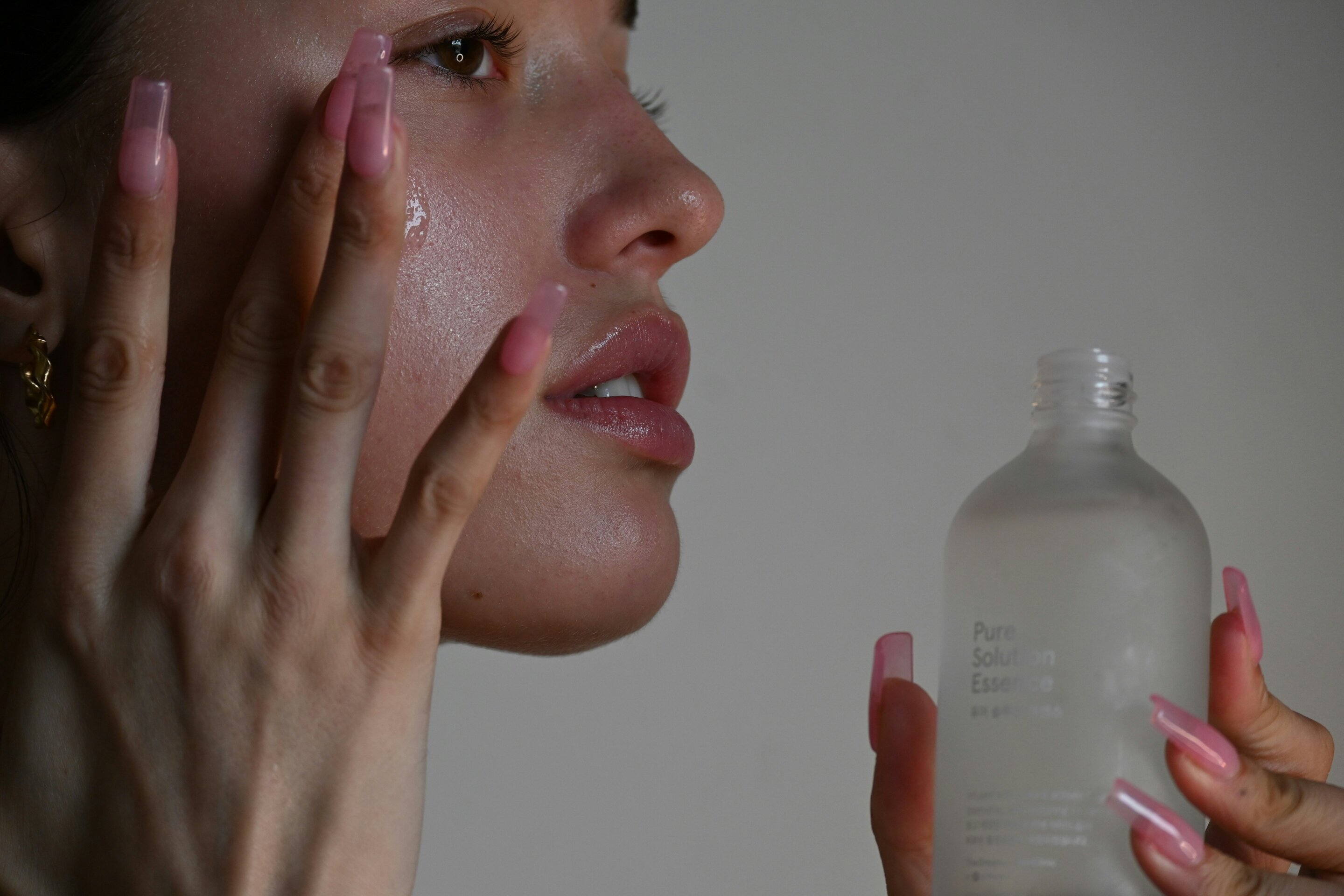
A recent study presented at the European Academy of Dermatology and Venereology (EADV) Congress 2026 found that nearly 95% of viral TikTok videos about Korean skincare and the "glass skin" trend contained at least one misleading claim. Additionally, essential safety information was largely absent from this content.
Read More
The popularity of Korean skincare and the concept of "glass skin"—characterized by clear, smooth, and well-hydrated skin—has surged on social media platforms, especially TikTok, where such routines can attract millions of viewers. However, the dermatological accuracy of these trends has not been thoroughly examined.
Research conducted in May 2026 involved analyzing videos related to Korean skincare routines using a neutral account to prevent algorithmic bias. After filtering, 38 videos were evaluated for their dermatological claims, safety information, and reliability. The findings revealed that 84% of the videos did not account for varying skin types, 45% recommended excessive combinations of active ingredients without adequate safety guidance, and 32% promised immediate results.
Dr. Maria Lúcia Paysano, the lead author of the study, expressed concern over the lack of basic safety information, noting that only one video mentioned irritation risks, two discussed sun protection, none addressed contact dermatitis risks, and none advised consulting a dermatologist. All the videos were deemed unreliable or less reliable, with none citing external sources. Almost 82% of the content was created by non-physician influencers, while 11% were from beauty brands and 8% from other beauty creators, with no videos produced by dermatologists.
Paysano pointed out the significant disparity between the popularity of this content and the quality of the information provided, warning that following such routines without personalized advice can lead to irritations, over-exfoliation, and other skin issues.
An observational study presented at the same congress further highlighted the risks associated with these viral skincare trends. It involved 94 patients who experienced new or worsened skin conditions after using products promoted on social media. Commonly implicated products included chemical exfoliants with alpha-hydroxy acids (AHAs) or beta-hydroxy acids (BHAs) and over-the-counter retinoids.
Dr. Ouissal Hormi, the lead author of this study, noted that many patients were adopting complex skincare routines with multiple active ingredients based on non-medical influencer advice. These practices led to various skin reactions, including irritant contact dermatitis and acne exacerbation.
Hormi emphasized that combining numerous active ingredients can overwhelm the skin barrier, as some ingredients share irritant properties. The researchers called for caution in following viral trends, stating that not all viral content is safe or suitable for everyone.
The researchers clarified that the issue does not lie within Korean skincare itself, but rather in the oversimplification of skincare principles into trendy, one-size-fits-all routines lacking crucial safety guidance. Paysano urged consumers to be wary of claims promising instant results and recommended seeking dermatological advice for those with existing skin conditions.