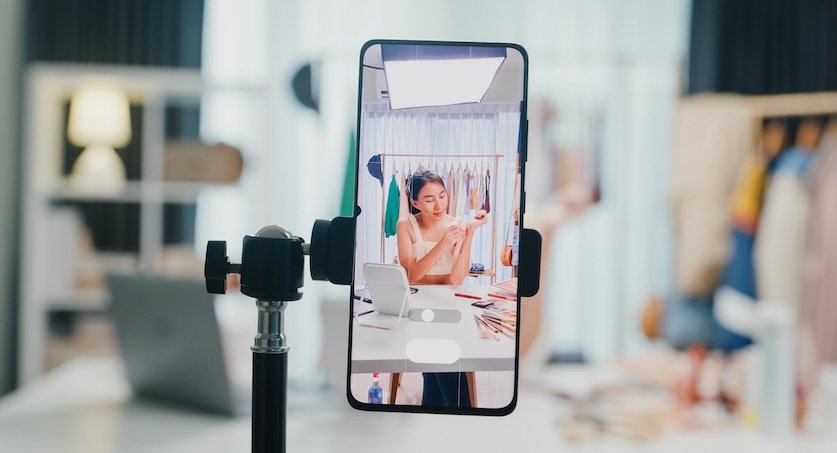
A recent study presented at the European Academy of Dermatology and Venereology (EADV) Congress 2026 revealed that nearly 95% of viral TikTok videos promoting Korean skincare and the concept of "glass skin" contained at least one potentially misleading claim. The research highlighted a concerning absence of essential safety information in these videos.
Read More
The e-poster titled “Glass Skin or Barrier Breakdown? Evaluating the Quality and Safety of Viral Korean Skincare Routines on TikTok” involved an analysis of popular videos in May 2026. Researchers used a neutral account with no previous engagement to minimize bias and examined top videos based on five Korean skincare-related search terms. A total of 38 videos were evaluated for dermatological claims, safety information, and overall quality using the Global Quality Scale and modified DISCERN metrics.
The findings indicated that 84% of the videos did not consider variations in skin types, while 45% promoted excessive combinations of active ingredients without adequate safety guidance, and 32% claimed to provide instant results. Lead author Dr. Maria Lúcia Paysano, a dermatology resident in Brazil, expressed surprise at the lack of safety information, noting that only one video mentioned the risk of irritation and that none addressed contact dermatitis or advised consultation with a dermatologist.
All examined videos were deemed unreliable or of lesser reliability, with none providing external sources. Of the content creators, 82% were non-physician influencers, 11% were beauty brands, and 8% were other beauty content creators, with no contributions from dermatologists.
Dr. Paysano commented on the disparity between the content's popularity and the quality of the information, warning that following these routines without personalized guidance could lead to skin irritation, over-exfoliation, acne flares, or damage to the skin barrier due to the mixing of multiple active ingredients.
In a separate observational study at the same congress, researchers examined the dermatological complications arising from viral skincare trends. This study involved 94 patients who experienced new or aggravated skin conditions after using cosmetic or dermatological products promoted on social media.
The study identified that 34% of cases involved chemical exfoliants with alpha-hydroxy acids (AHAs) or beta-hydroxy acids (BHAs), followed by over-the-counter retinoids (27%), vitamin C serums (14%), and niacinamide-containing products (11%). Notably, 48% of patients followed complete skincare routines inspired by social media, with 63% using more than three active ingredients simultaneously.
Lead author Dr. Ouissal Hormi noted the alarming frequency with which patients replicated complex skincare regimens based on non-medical advice. Reported reactions included irritant contact dermatitis (42%), worsening acne (28%), and other significant skin issues.
Researchers emphasized that the popularity of specific products did not correlate with their safety. Dr. Hormi stated that combining multiple active ingredients could stress the skin barrier due to overlapping irritant effects, reiterating that just because a skincare trend is viral, it does not mean it is safe or appropriate for all individuals.
While acknowledging that Korean skincare principles are beneficial, the researchers warned about the transformation of these principles into generalized routines lacking critical safety information on social media. They also underscored the importance of dermatologists engaging with these conversations to promote evidence-based skincare information.