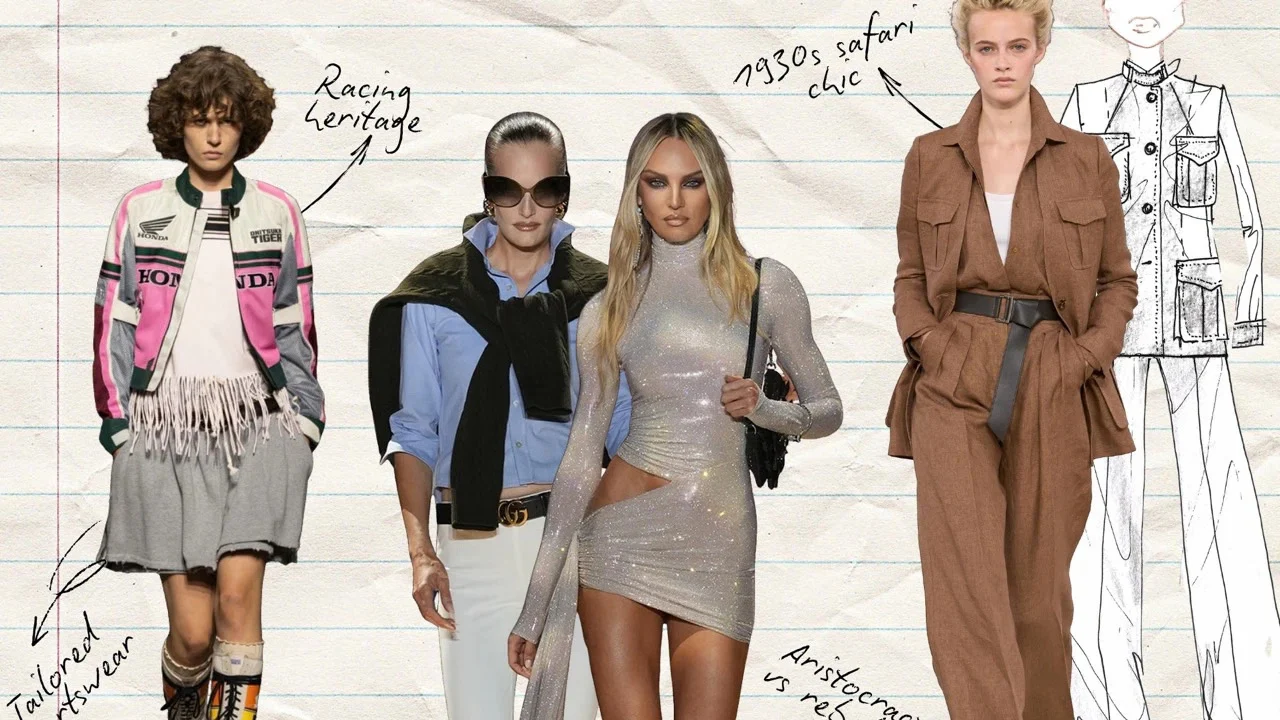
Milan Fashion Week showcased a distinctive blend of minimalism and intellectual expressions in fashion. The event kicked off with Prada, where Miuccia Prada and Raf Simons unveiled a collection centered on the skirt, featuring 64 variations crafted from materials such as linen, knit, and tulle. Their collection aimed to explore the potential of this garment, highlighting creative techniques with nylon plissé and leather-like cotton. According to the collection notes, “Engineered for freedom, the skirt is a Prada obsession.”
Read More
The following day, Fendi presented a sensual collection designed by Maria Grazia Chiuri, celebrating the female form. Chiuri's lineup combined sleek black silhouettes with exposed lingerie, luxurious furs, and delicate lace, drawing inspiration from Fendi’s archives and E. E. Cummings' poetry. Later, streetwear brand Onitsuka Tiger showcased an eclectic mix of officewear and motorcycle culture, incorporating vibrant colors and signature sneakers.
As the week continued, key collections from prominent Italian designers were on display, including Bottega Veneta, Dolce & Gabbana, and Ferragamo. At Bottega Veneta, creative director Louise Trotter focused on lightness and movement, utilizing soft hues and showcasing craftsmanship through woven leather and delicate embellishments. Dolce & Gabbana adopted an extravagant approach, blending textures and Sicilian motifs with architectural and literary inspirations, producing an eclectic mix that celebrates their heritage.
Ferragamo took cues from the working women of the 1940s, as explained by creative director Maximilian Davis, who modernized the era's structured silhouettes with military-style pockets and bold tailoring, layered with contemporary materials.
Tod’s collection, led by Matteo Tamburini, embraced a sporty yet masculine aesthetic, combining classic styles with contemporary androgyny. The cohesive collection emphasized Tod’s commitment to craftsmanship amid rising automation in fashion.
Gucci's Spring/Summer 2027 collection presented by Demna explored the contrast between aristocratic elegance and street style. Featuring outfit combinations that included tailored jackets and eclectic streetwear, the show embodied a fusion of Gucci's historical roots and modern expressions, encouraging a dialogue across its diverse representations.
Max Mara's latest collection honored adventurous women explorers of the 1930s, infusing practicality with femininity through safari jackets, cinched silhouettes, and cargo elements.
Fendi also reflected on the lingerie trend, showcasing a collection that blended femininity with liberation. Chiuri’s designs included slip dresses and exposed garments, crafted in luxurious materials, promoting a quiet reclamation of power through sensuality.
In summary, Milan Fashion Week Spring/Summer 2027 proved to be a platform where designers pushed the boundaries of traditional fashion, blending history, craftsmanship, and personal narratives.