A recent shift in consumer purchasing habits has led to increased competition among companies in the beauty, health, and wellness sectors. As consumers prioritize holistic purchases, these once separate categories are merging into a single market segment, prompting retailers to compete more fiercely for consumer dollars.
Read More
A study by consulting firm AlixPartners reveals that nearly all surveyed consumers now view these categories as one budget item, contrasting with their previous perception of three distinct areas. The survey was conducted between May and June, targeting 1,000 consumers aged 18 and above, along with 127 executives from the beauty, health, and wellness industries.
Lindy Firstenberg, co-lead of AlixPartners' beauty, health, and wellness practice, noted that consumers are increasingly willing to trade off products across these domains. For instance, they consider substituting beauty items for health services. The study found that 40% of consumers want traditional beauty brands to broaden their product ranges, while 42% of executives feel their companies should remain focused on their core offerings. This disconnect suggests a divide between consumer desires for expansion and executive caution against risks, according to Firstenberg.
As consumers educate themselves and adopt a more science-based approach to beauty products—termed the "consumer PhD" by AlixPartners—they are increasingly influenced by peer recommendations, especially through social media, rather than relying solely on brand marketing.
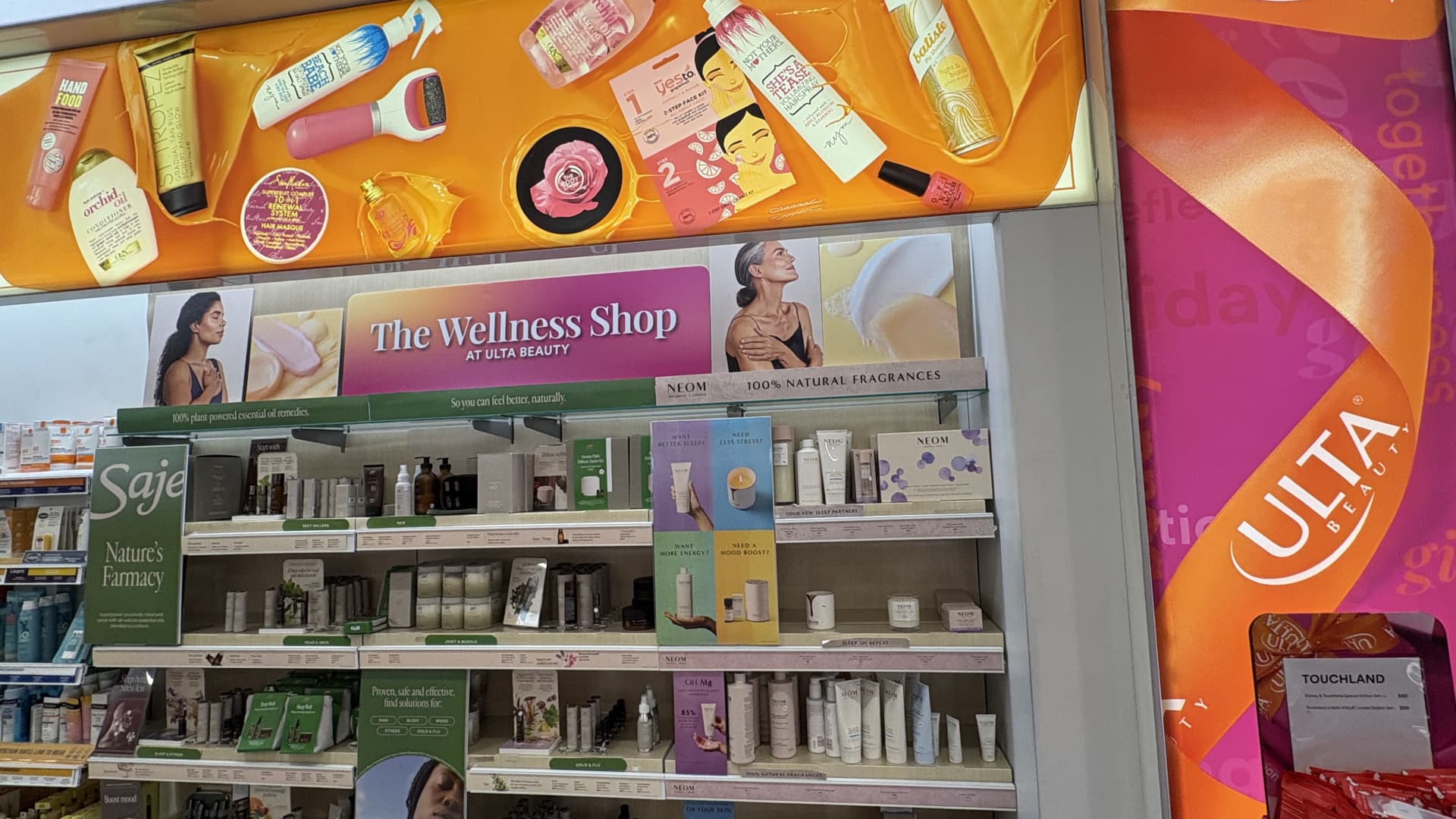
Retailers are adapting to these changes in various ways. Ulta is expanding its wellness section, while luxury brand Gucci partnered with fitness tracker Oura in 2022 to create a unique ring. Procter & Gamble recently announced its acquisition of supplement brand Thorne for $3.8 billion, signaling its commitment to health offerings.
Ulta has introduced wellness boutiques featuring supplements alongside beauty products, while Target recently launched the Target Beauty Studio, which replaces its previous partnership with Ulta. Sephora is also dedicating space on its website for wellness and skincare products.
Walmart has been diversifying its offerings to cater to evolving consumer preferences, focusing on both affordable and premium products. Silvia Kawas, leading Walmart U.S.'s consumables business, noted that customers are increasingly seeking holistic solutions across health and beauty. The retailer is strategically placing beauty products in high-traffic areas and employing knowledgeable staff to guide shoppers.
Despite economic pressures like rising inflation, consumers remain committed to their beauty and wellness spending. Pierre Dupreelle, global leader for beauty at Boston Consulting Group, remarked that the industry's evolution is reshaping the market landscape. Brands emphasizing efficacy and science are thriving, while traditional skincare brands struggle.
Market research from Circana indicates that beauty industry demand remained positive in early 2026, with skincare sales revenues increasing by 8% driven by a focus on overall wellness. For retailers like Walmart, understanding customer preferences and adapting product assortments accordingly is crucial to maintaining loyalty and encouraging repeat business.