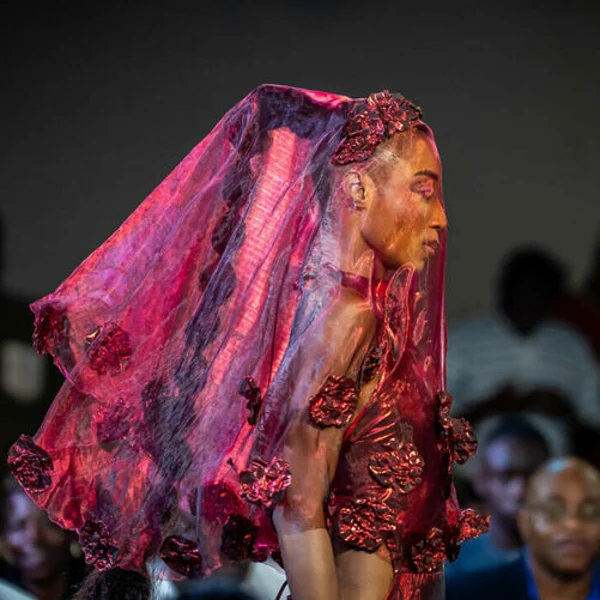
Nigeria's Fashion Week is currently underway in Abuja, showcasing a vibrant array of outfits crafted from vast amounts of fabric, forming striking silhouettes and intricate feather-like patterns. This year's event, which concludes on Sunday, marks a notable shift from its traditional venue in Lagos to the Nigerian capital, known more for its governmental role than for avant-garde fashion.
Read More
The shift from Lagos, a city with over 20 million residents famed for its economic and artistic vibrance, has sparked ambitions to transform Abuja into a fashion hub. Lexy Mojo-Eyes, the organizer of Fashion Week, expressed a desire to invigorate the capital, stating, "We want to change the dynamics, we want to build Abuja as a fashion city."
Abuja, officially designated as Nigeria's capital in 1991, still carries a half-built appearance, with its downtown juxtaposing modern office buildings against vacant lots and remnants of farmland. Unlike the bustling Lagos, Abuja lacks prominent entertainment sectors like Nollywood and a vibrant Afrobeats scene but is gradually developing its own creative landscape. Over time, it has hosted various events, such as photography and international film festivals, alongside an emerging literary scene.
The relocation of Fashion Week aims to foster closer collaboration between the fashion industry and government officials. Culture Minister Hannatu Musa Musawa emphasized the importance of creating an environment conducive to growth, advocating for reforms in tourism and intellectual property law.
Libyan designer Rabia Ben Barka, attending her first event in Nigeria, praised Abuja's cleanliness and organization, remarking on the friendly interactions she experienced. Her collection featured bold designs reminiscent of retro fashion.
Chinwe Ezenwa, a handbag designer who opened a factory in Abuja in 2021, noted the capital's potential despite its tranquil reputation, suggesting it is beginning to evolve. Meanwhile, Lagos continues to host its own separate fashion week.
Abuja faces challenges in building a supportive creative sector, with residents grappling with rising housing costs and recent government actions that have targeted green spaces for development. Although the change in venue has introduced an element of authenticity, with power outages affecting the event’s flow, the ongoing grid issues remain a shared experience in Nigeria.