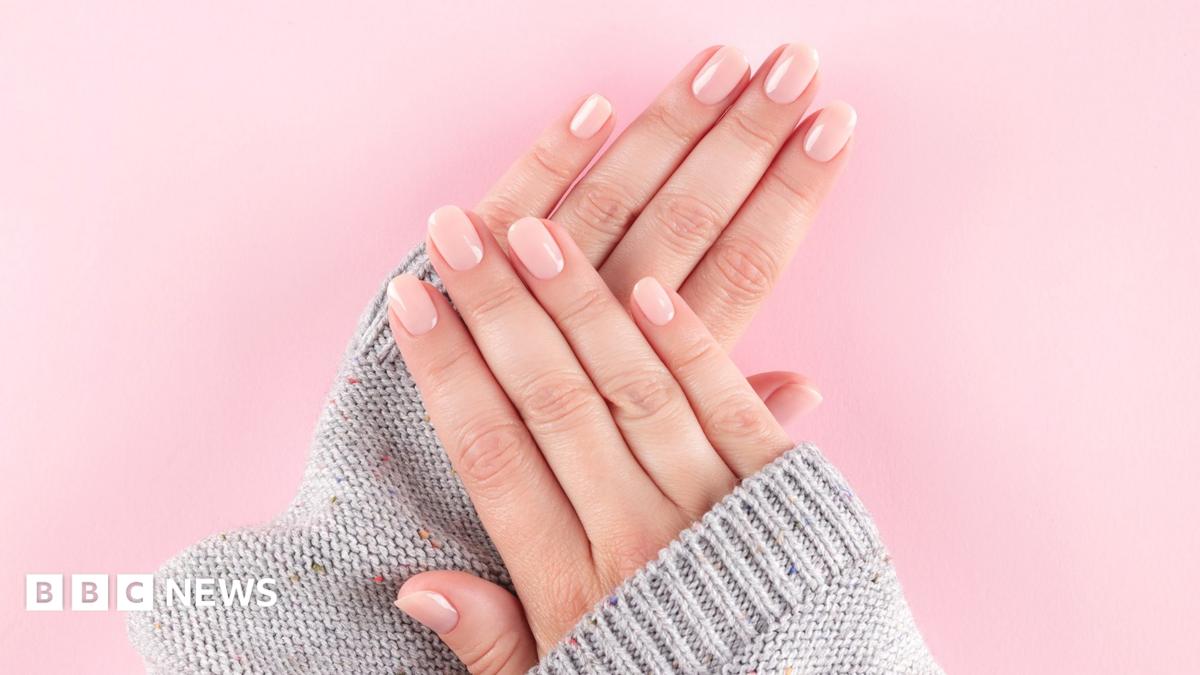
Paloma Buddemeier, owner of Wumman Spa in London, has noted an increasing number of clients seeking manicures that leave their nails polished-free. "It's crazy," she remarks, indicating that while customers receive their nails filed and trimmed, they opt for no polish at all. This shift is driven by a burgeoning trend for bare-looking nails, which has gained traction on social media and fashion runways as a representation of "quiet luxury."
Read More
However, some critics argue that this trend has deeper implications regarding class and beauty standards. Beauty journalist Kristina Rodulfo told the BBC that the preference for bare nails promotes a homogeneity that erases the rich cultural identities tied to nail art, particularly in Black and Latino communities. She asserts that descriptors like "elegant" and "tasteful" often perpetuate white supremacist beauty ideals.
For many, the choice to forgo polish is not necessarily an anti-bold nails statement but a desire for simplicity. Some women, like Irish TV presenter Angela Scanlon, have stepped back from manicures to prioritize their time and mental well-being. Scanlon recalls how her routine of frequent nail appointments became a burdensome chore. After realizing the effort required to maintain manicured nails was no longer necessary for her satisfaction, she decided to stop.
This movement towards bare nails gained visibility at New York Fashion Week, with designers like Marc Jacobs showcasing models without polish. Beauty magazines have noted this trend, asserting that bare nails symbolize a new status symbol among women. On social media platforms like Instagram and TikTok, users are promoting the allure of natural-looking nails while some, like Buddemeier's clients, opt for salon services to achieve the polished yet bare aesthetic.
Londoner Khadija, who formerly enjoyed elaborate nail art, shifted to bare nails for its chic and minimalist appeal. Her friend Emmanuella, motivated by rising costs, expressed that getting manicures feels impractical in today's economic climate. Yet, others caution that the discourse surrounding this trend can mask deeper societal issues. Fashion journalist Suzanne E. Shapiro underscores that manicures have long conveyed messages about societal status, with a storied history tied to women's social and cultural roles.
Throughout history, long nails were symbols of wealth in cultures like 13th century China, while nail care became more accessible after Vietnamese immigrants popularized nail salons in the U.S. over the decades.
As manicures become more mainstream, some wealthy individuals have reverted to bare nails as a form of "counter signaling," a desire to appear more refined and less ostentatious, according to Rodulfo. Despite the notion that bare nails can be a simple choice, Shapiro highlights that achieving this look still often requires considerable time and resources.
While valid conversations about beauty standards and empowerment persist, many women find joy and independence in nail care, which has traditionally been a female-driven industry. Some, like Hampton, express disappointment at the divisive nature of current trends and advocate for individual choice in nail expression. Scanlon echoes this sentiment, suggesting that the focus should be on understanding personal preferences rather than creating a divide over nail styles. "The truth of it is: it's not that deep," she concludes.