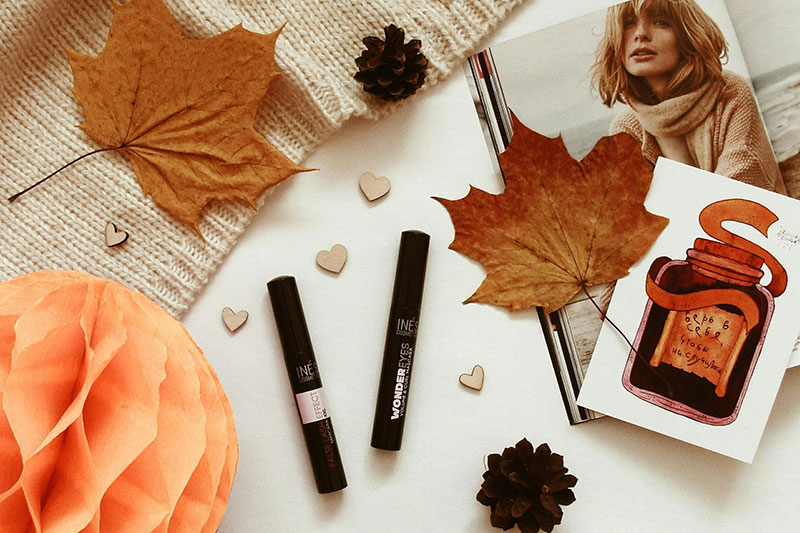
Beauty retailers are increasingly recognizing Halloween as a significant trading opportunity that begins well before the holiday itself.
Read More
The social media trend known as “Code Orange” exemplifies this shift. It allows shoppers to highlight the arrival of Halloween, autumn, and “spooky season” products, turning the unveiling of seasonal stock into an event worth actively seeking out. By early September, TikTok had recorded 128.1K posts tagged with #CodeOrange and Instagram had 255K posts under the same label.
Social media accelerates the process between product discovery and purchase. As shoppers share early sightings of Halloween items, it can rapidly generate demand for seasonal beauty products. This demand manifests in several ways, particularly as consumers transition from summer to autumn. They often seek richer moisturizers, gentler cleansers, and products enriched with ceramides, glycerin, and hyaluronic acid to support their skin. Additionally, retinoids may make a comeback in skincare routines as autumn approaches, alongside professional treatments aimed at issues like dehydration and sun damage.
Color cosmetics also take center stage during this time. Warm copper, berry, burgundy, and earthy brown shades become popular, with sheer finishes making these tones more accessible. Trends such as “eyemaxxing” further enhance demand, incorporating bronze and copper hues for blue eyes and blue and deep purple shades for green eyes.
Halloween is seen as a ‘mini-peak’ in the broader Golden Quarter, which traditionally encompasses significant retail moments like Black Friday and Christmas. However, beauty demand is increasingly shaped by smaller seasonal and cultural events. As Halloween approaches, there may be spikes in demand for costume makeup and bold colors for parties, leading to a concentrated period of purchases.
Fragrance sales can also rise, with scents like pumpkin spice and vanilla chai appealing to the cozy seasonal theme, influencing demand across perfumes, body care, and other scented products.
Fulfillment operations face challenges not from the magnitude of individual peaks, but from the cumulative effect of several peaks occurring quickly one after the other.
Retailers must move beyond simply analyzing past Halloween trends to prepare for autumn. While historical sales data remains useful, social media activity can serve as an early indicator of consumer interest. Marketing initiatives, product rollouts, and weather forecasts also play a role in informing inventory and labor planning.
Connecting these insights to operational activities is crucial. If interest in a product surges faster than anticipated, having real-time visibility into stock, warehouse operations, and carrier performance allows teams to respond proactively before availability or delivery commitments are compromised.
This is particularly essential in beauty, where trends can shift rapidly and products may only have a brief period of heightened relevance. Fulfillment strategies should also account for specialized needs, such as temperature-sensitive skincare items and fragile makeup products.
Flexibility is vital for fulfillment operations since no forecast can perfectly capture when a seasonal trend will escalate. This includes having adequate labor capacity to manage sudden spikes in orders, prioritizing products or channels during demand shifts, and ensuring picking and packing processes remain efficient under pressure.
Automation can alleviate repetitive tasks in the warehouse during peak periods, while skilled operational teams are necessary for handling exceptions and recalibrating priorities. Additionally, considering carrier capacity is important; Halloween orders often have firm deadlines, necessitating timely delivery options to meet customer needs before events or parties.
Halloween signifies a broader shift in how beauty retailers conceptualize peak demand. Seasonal interest may no longer be restricted to a few key dates, as social media, weather changes, and evolving beauty trends create a series of smaller opportunities that can lead to rapid spikes in orders.
The strategy for beauty retailers should not be to treat every trend like the next Black Friday but to harness data, operational insight, and fulfillment flexibility to recognize when trends signal genuine demand. This could involve being prepared for shifts from post-summer skincare to autumn colors, cozy fragrances to Halloween makeup, all leading into the Golden Quarter. Ultimately, while the calendar might indicate that peak season starts later, consumer demand trends suggest otherwise.