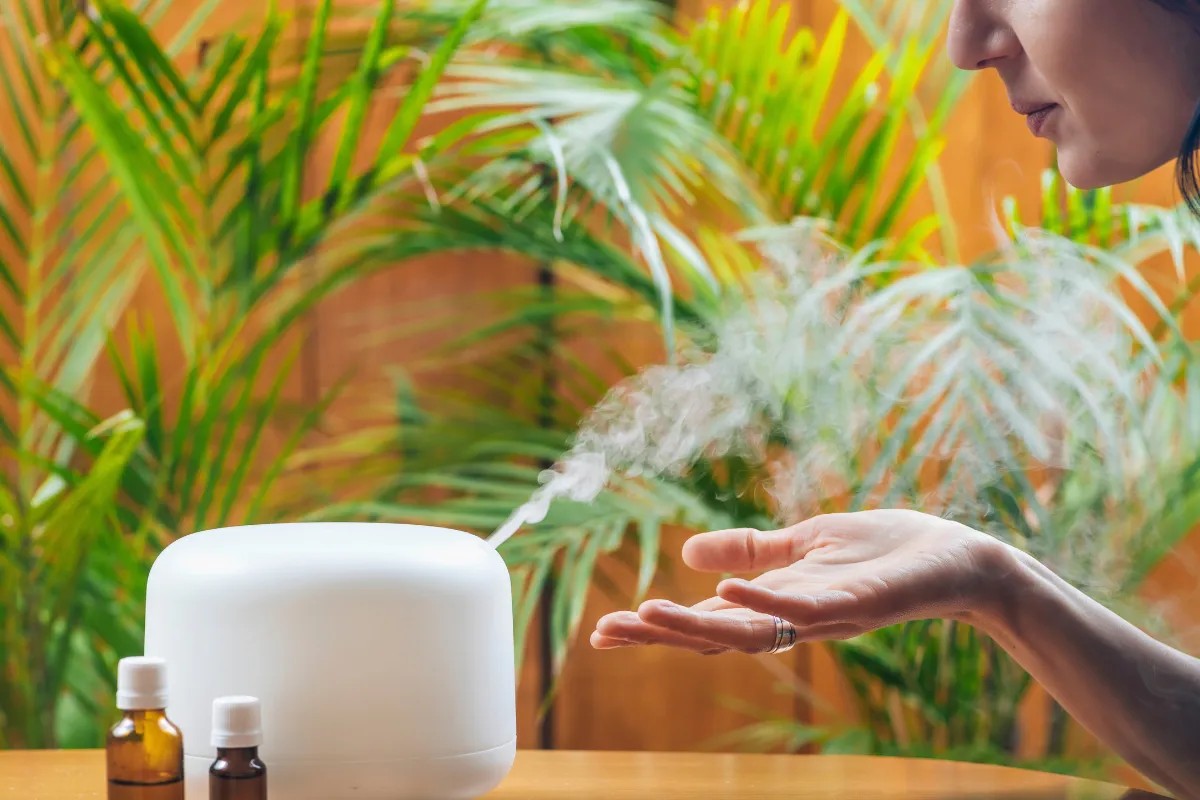
The home fragrance market is evolving beyond mere air care products, transitioning into a sophisticated sector that emphasizes scent performance, wellness benefits, and environmental responsibility. According to data from Innova Market Insights, over half of global consumers prioritize scent when purchasing household fresheners, leading to a 23% compound annual growth rate (CAGR) in air fragrance launches from July 2021 to June 2026.
Read More
Scent remains the foremost factor driving purchases, with 54% of consumers indicating it as their primary motivation. Yet, perceptions of a desirable scent are shifting toward freshness, while ethical and sustainable practices increasingly define a high-quality product. Personal Care Insights highlights recent industry advancements that reflect this changing landscape.
Fresh scents are particularly popular among consumers, making up 5% of new fragrance launches, compared to classic scents like lavender and vanilla at 4%. This interest in fresh aromas has prompted innovative product releases, such as Bath & Body Works’ Sea Salt Coast candle, described as woodsy, bright, and fresh.
The demand for lasting fragrances has also spurred new technologies. Among the developments, brands are creating products designed for durability, with the term "long-lasting" appearing in 58% of recent launches—almost three times more than other performance claims. Companies like Givaudan have introduced fragrance precursors such as Scentaurus PolyDoux, which extends the scent's longevity by releasing fragrance notes over several days when exposed to oxygen or humidity.
Beyond scent and performance, home fragrance products are increasingly seen as elements of mental well-being. A recent report by Clorox has indicated a cultural shift where consumers now associate home cleaning less with hygiene and more with emotional and social factors. As individuals reassess their relationships with their living spaces, scent is becoming a crucial aspect of self-care and wellness.
Gen Z consumers are particularly influencing this trend, leaning towards “neurocosmetics” where scents are chosen for their perceived mental benefits. Innova Market Insights reported that 15% of new home fragrance products feature an aromatherapy claim, showcasing a growing interest in therapeutic benefits. For instance, Eurofragance's Get in the Mood collection leverages their EuroMotion technology to evoke specific emotions through scent, connecting fragrance with neuroscience by activating both the olfactory and trigeminal nerves.
As home fragrance gains prominence, sustainability is becoming a vital consideration. Innova Market Insights found that home fragrance products with ethical and sustainable claims are experiencing a remarkable 210% CAGR. Ethical packaging, animal welfare, and refillable or reusable formats are among the top claims, with improving sustainability leading brands to adopt biodegradable ingredients and verified claims.
Companies like DS Smith have introduced FSC-certified, fully recyclable packaging for Lalique Beauty's Tales of Light line, while Croda has launched a biodegradable version of its NeutraFresh odor-neutralizing technology, meeting consumer demands for effective and eco-conscious home care solutions. Aude Lemoine-Dessaint, marketing manager at Croda Home Care, emphasized the shift toward sustainable solutions without sacrificing performance.