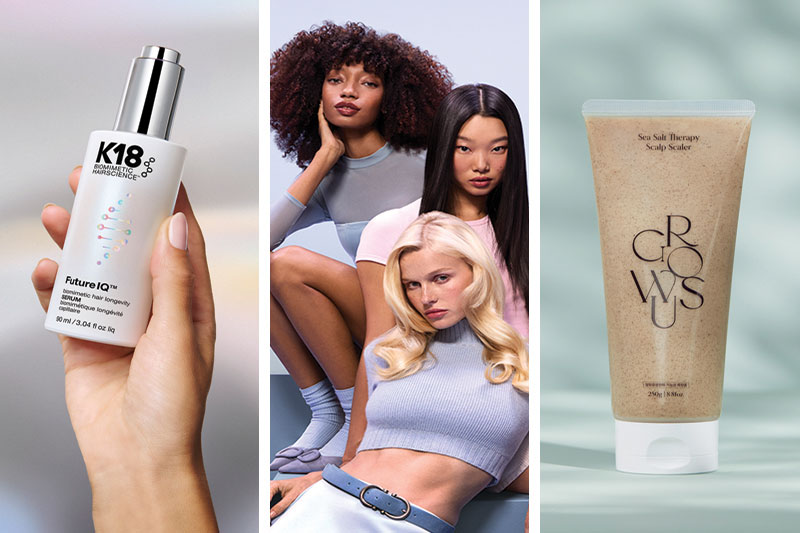
A recent report from Cosmetics Business reveals significant growth in the hair care sector, with luxury brands experiencing a 24% sales increase, reaching a total value of €1.2 billion over the year ending August 2026. Data from Circana underscores this trend, noting that hair care is increasingly viewed as vital, akin to skin care, with innovative product launches driving consumer interest and spending.
Read More
One notable launch is Cécred, the hair care line owned by Beyoncé, which became the largest brand introduction in Space NK's history. In addition, sales of hair serums rose by 101% in the last year, illustrating the public's growing investment in premium hair products.
As part of this heightened focus on hair health, scalp care has emerged as a crucial category, with a 50% growth in the UK over the past five years according to Worldpanel by Numerator. Scalp treatments specifically saw a 12% increase for the year ending 9 August 2026. Matt Maxwell, Business Unit Director for Health and Beauty at Worldpanel, highlights that hair growth products have seen a notable 32% surge in sales, driven by increased consumer awareness regarding hair health.
Circana's Executive Director of Beauty in Europe, Mathilde Lion, observes that the 'skinification' of hair care has prompted consumers to invest more in treatment-oriented products that address scalp health and long-term hair care. Instead of just washing hair, consumers are now developing holistic routines that emphasize prevention and hair longevity.
Julia Ramanadhan, President of BondiBoost, points out that the shift towards preventative treatments—similar to trends in skin care—illustrates a broader change in consumer behavior. Brands are adapting their messaging to focus on protecting future hair health rather than just providing cosmetic fixes.
Dove has also entered this preventative trend with its Scalp + Hair Therapy line, which emphasizes a proactive approach rather than reactive treatments, integrating ingredients like niacinamide and glycerin to enhance scalp health.
As the conversation around hair care continues to evolve, the report identifies several key trends for 2026:
1. **Bond Repair Innovation**: Companies are refining bond-repair products for everyday use, moving from occasional treatments to comprehensive solutions that address both structural and visual hair health.
2. **Scalp Scalpers**: Inspired by K-beauty rituals, scalp scalpers are gaining popularity as a method for exfoliating the scalp to promote healthier hair growth.
3. **Dry Shampoo Mists**: Evolving from traditional formats, dry shampoo mists offer innovative, weightless solutions for refreshing hair without the bulk associated with standard products.
4. **Hair Longevity Focus**: The movement towards preventive care in hair health mirrors trends seen in skin care, with brand communications shifting to emphasize the importance of long-term hair well-being.
5. **GLP-1 Impact**: As consumer preferences shift, products catering to hair loss and thinning are gaining traction, particularly as associated with the use of GLP-1 treatments.
As Cosmetics Business points out, the hair care market is poised for further transformation, with brands anticipating continued innovation and consumer engagement in the years ahead.