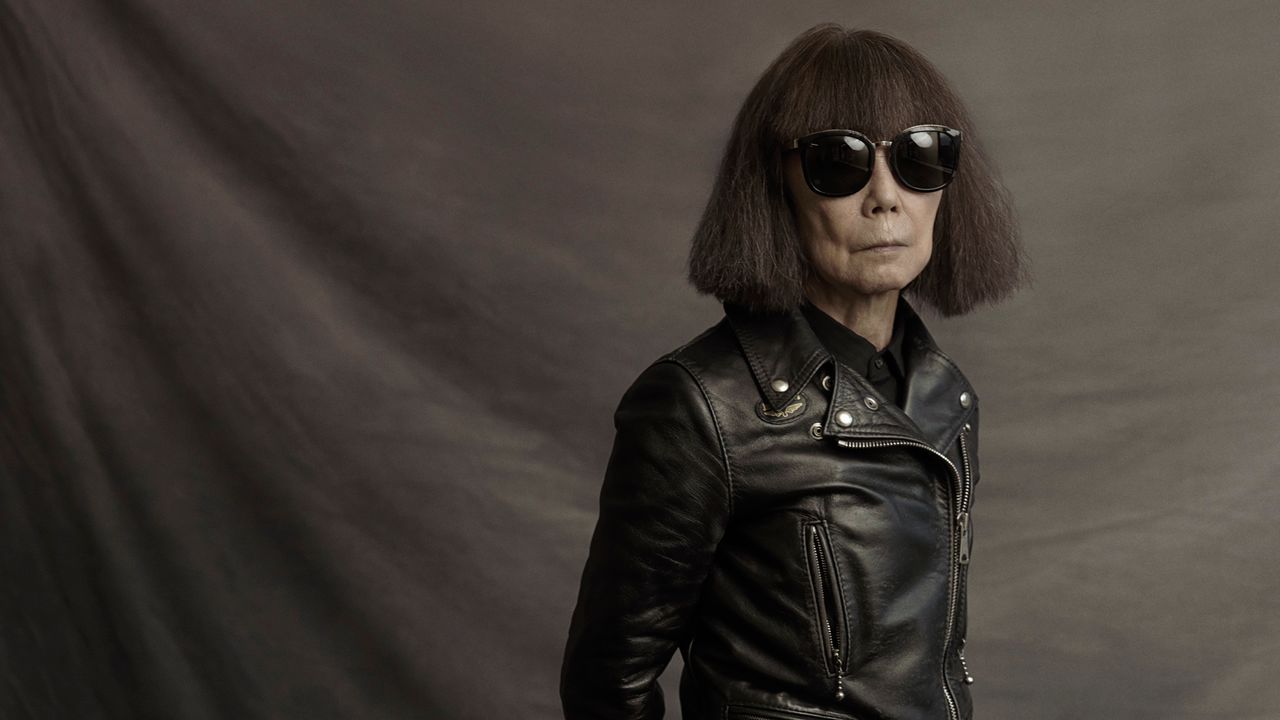
Kawakubo Rei, the founder of Comme des Garçons, has spent half a century redefining fashion norms and challenging Western aesthetics. Now in her eighties, she continues to embody a spirit of rebellion, questioning conventional standards and exploring new avenues in commerce and artistic expression.
Read More
Born in Tokyo in 1942, Kawakubo graduated from Keiō University before working in the advertising division of a textile manufacturer. She transitioned to freelance fashion styling and launched her label, Comme des Garçons, in 1969, motivated by a desire to create clothing that aligned with her vision of style. The brand became publicly traded in 1973, with its first boutique opening in 1975. Kawakubo made a significant impact on the fashion scene when she debuted at Paris Fashion Week in 1981, showcasing designs that defied Western beauty ideals.
Her initial collection, characterized by frayed hems and oversized black sweaters, was met with criticism in the West but reverberated in Japan, sparking a movement among youth, commonly referred to as the “crow tribe.” Kawakubo's work subverted traditional concepts of femininity and elegance and sought to liberate fashion from conventional constraints through bold design choices.
Throughout her career, Kawakubo has released numerous collections that challenge societal norms, including the spring-summer 1992 collection that explored unfinished designs and the 1995 collection that blurred gender lines with women’s takes on men’s clothing. Her 1997 show, titled "Body Meets Dress, Dress Meets Body," featured clothing that contrasted with the idealized female silhouette, using padding to create unexpected shapes.
Kawakubo’s innovative approach not only redefined clothing but also influenced the future of retail. In 2004, she opened Dover Street Market in London, a concept store that features both established and emerging designers. She has encouraged in-house talents like Junya Watanabe to showcase their work independently while overseeing the creative direction of her brand.
Her collections often carry social messages. The 2015 spring-summer collection reflected her antiwar sentiments, incorporating elements that subverted military aesthetics. In a continuation of this theme, her autumn-winter 2025-26 collection explicitly stated a stance against war.
Kawakubo's legacy is further exemplified by her recognition at the Metropolitan Museum of Art’s Costume Institute in 2017, where she was only the second living designer to receive a solo exhibition. Her work has inspired many, including esteemed designers like Martin Margiela and Alexander McQueen.
Despite her immense success, Kawakubo remains a figure of humility. Known for her avoidance of the limelight, she continues to push the boundaries of fashion, embodying a relentless drive for creativity and social commentary that resonates across generations.