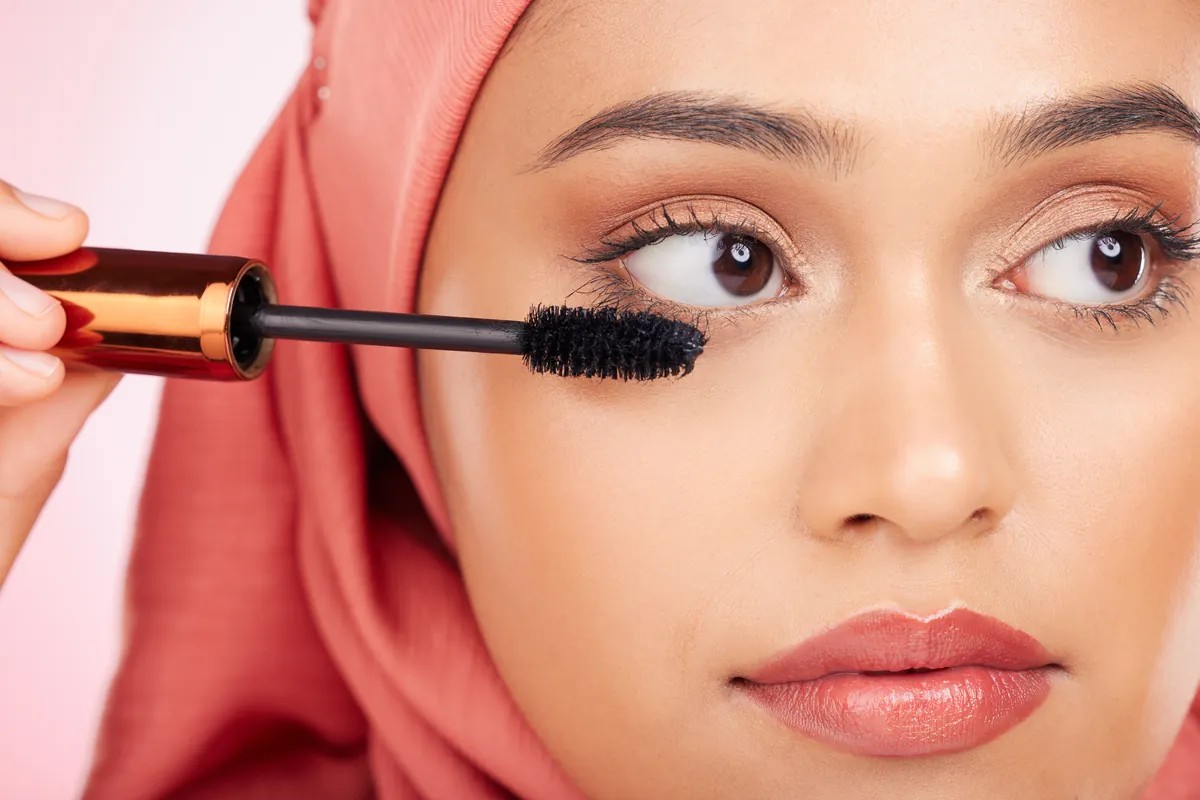
As of yesterday, all cosmetics sold in Indonesia are required to be halal certified or clearly labeled as non-halal. The Indonesian government is taking steps to facilitate the enforcement of this new mandate, which aims to align cosmetic products with Islamic principles. According to the State of the Global Islamic Economy 2023/24 Report by Salaam Gateway, Muslim consumer spending on cosmetics reached $84 billion in 2022, an increase of 14.3% from $74 billion in 2021, and is projected to rise to $129 billion by 2027 with a compound annual growth rate of 8.9%. Indonesia and India are identified as the leading markets for Muslim consumer spending in this sector.
Read More
Haikal Hasan, head of the Halal Product Assurance Organizing Agency (BPJPH), emphasized that the halal requirement is not intended as a trade barrier or coercive measure for businesses. Rather, it aims to offer clarity for businesses and protect consumers. Hasan also indicated there are no current plans for enforcement actions such as “sweeps” against business operators.
The government is preparing specific provisions to support smaller enterprises, particularly in the context of micro and small businesses, raw materials, and consumer goods. This initiative seeks to maintain business viability while ensuring compliance with existing laws. In a display of support for smaller cosmetic manufacturers, Indonesia's Ministry of Industry has recently increased assistance to small and medium-sized enterprises (SMEs) to enhance competitiveness in the global market.
Cosmetic exports from Indonesia reached $473.8 million in 2025, marking a 13.7% increase from $416.8 million in 2024. According to the country’s Food and Drug Monitoring Agency (BPOM), as of July 2026, there were 1,655 cosmetics businesses in Indonesia, of which over 87% were classified as SMEs, with more than 370,000 cosmetic products registered by August this year.
The Halal Product Assurance System (SJPH) guidelines outline 11 critical control points throughout the production process to ensure compliance with halal standards. The SJPH is based on five core pillars, requiring companies to implement a written halal policy and designate a Halal Supervisor. All cosmetic ingredients must come with halal certificates or relevant documentation, including for materials in contact with production processes.
Specific rules prohibit pork-derived ingredients and those from animals not slaughtered in accordance with Islamic laws, particularly for products applied to the lips, mouth, or teeth. It is assumed that plant-derived ingredients are halal, though any questionable additives must be verified. The guidelines also mandate strict separation of halal and non-halal production facilities and equipment, supported by proper documentation.
In addition to labeling provisions which require visibility and durability, companies can only use a halal label after receiving certification from BPJPH. If a product cannot meet halal standards, it may carry a non-halal label, which requires transparency regarding prohibited ingredients.
The BPJPH has warned businesses and the public to be aware of fraudulent schemes related to the new halal certification requirements, as some individuals may attempt to exploit the situation by demanding payment for fines or certification obligations.
This warning follows BPOM's recent enforcement actions, where more than 2 million illegal cosmetics, primarily imported from China without approval, were seized. The total estimated value of these unregistered products was about 27.6 billion rupiah ($1.7 million).
In a broader context, Indonesia's beauty market is evolving with a focus on personalized skincare. Rohto Laboratories Indonesia has introduced an AI-powered skin analyzer for tailored skincare recommendations. Additionally, ParagonCorp's subsidiary Wardah has launched Indonesia’s first skin longevity clinic, reflecting a trend towards individualized beauty solutions.