Beauty retailers are encountering a challenge as skincare selections expand and diversify; more choices do not necessarily simplify the process for consumers seeking the right product.
Read More
AI skin analysis presents a new approach, focusing on the individual's skin. By utilizing artificial intelligence and computer vision, platforms can evaluate visible skin traits from a selfie, providing personalized skincare recommendations based on those results.
For multi-brand retailers, this technology extends beyond mere guidance toward specific brands. It can integrate skin analysis with ingredient knowledge, allowing a retailer to pinpoint suitable products from various brands within their catalogue.
Dermaself is one platform that marries selfie-driven skin analysis with ingredient-focused product matching. By analyzing an individual’s visible skin characteristics and correlating these results with product ingredient information, Dermaself effectively identifies relevant formulations available in the retailer’s selection.
The process is straightforward: selfie → AI skin analysis → ingredient matching → tailored skincare routine. This method proves especially useful for multi-brand retailers where customers must sift through a myriad of products across different brands, formulations, and categories. Rather than complicating the shopping journey with additional filters, AI helps streamline choices to fit each customer’s specific skincare needs.
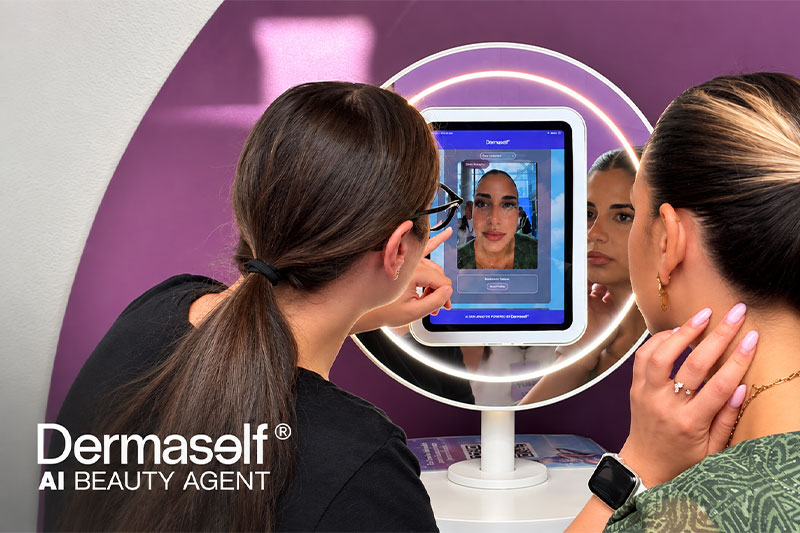
The potential of AI skin analysis expands into physical retail settings as well. During Milan Beauty Week 2026, Dermaself implemented its model in a live multi-brand context through the Shaka Beauty Hotel × OVS activation at Garden Senato in Milan. The five-day event showcased 37 beauty brands, allowing attendees to submit selfies for AI analysis of visible skin traits such as blemishes, dark spots, wrinkles, pores, redness, hydration, and skin laxity. Results were paired with personalized skincare recommendations featuring products available through OVS, with visitors receiving their tailored routines via email, including a 20% discount on suggested items redeemable in select OVS locations in Milan.
Over five days, the experience yielded:
- More than 2,600 completed AI skin analyses
- A completion rate of 75%
- An average of one completed analysis every 55 seconds
These statistics reflect strong consumer interest in AI skin analysis when effectively integrated into the beauty retail space.
The implications of this technology reach beyond single events. AI skin analysis can be embedded in e-commerce platforms and linked to the retailer’s product database, while physical locations can provide similar services via QR codes, tablets, or smart mirrors. The results of skin analyses can also assist beauty advisors during personal consultations.
This transition transforms AI skincare consultations from standalone digital offerings into versatile omnichannel beauty retail instruments. The most significant opportunity for retailers may not just lie in skin analysis itself, but in leveraging skin data to simplify extensive beauty assortments and enhance personalized product discovery.
As skincare offerings become increasingly intricate, AI could aid in moving from merely providing more options to offering clearer guidance for consumers.