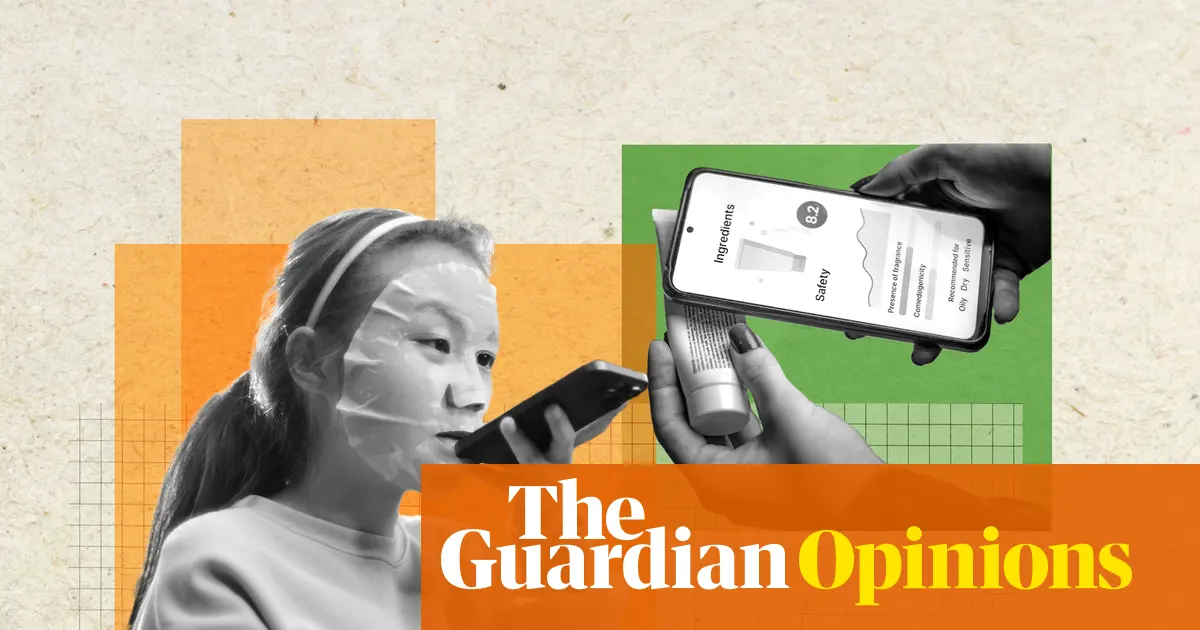
As more individuals seek healthcare solutions online, reliance on AI for skincare advice is becoming increasingly common. Apps specifically designed for dermatological inquiries allow users to upload photos and receive personalized skincare regimens. In many cases, users share their results on platforms like Reddit, showcasing improvements from AI-recommended routines. Given the average out-of-pocket cost of seeing a dermatologist in Australia is approximately $230, it is understandable why many opt for AI tools.
Read More
However, experts warn that the advice provided by these chatbots often lacks accuracy. Dr. Michelle Wong, a cosmetic chemist, cautions against the impulse to seek AI-generated recommendations. She likens the output of such AI systems to a “blurry Jpeg” of internet information, lacking reliable source attribution. Wong has noted instances where chatbots suggested using multiple products with the same active ingredient or provided bizarre routines that defy proper skincare order. Furthermore, some chatbots may recommend nonexistent products or those containing allergenic ingredients.
Dr. Anita Lasocki, a dermatologist in Melbourne, has observed that patients frequently develop skin issues after following AI-suggested treatments, often exacerbating conditions such as irritant contact dermatitis or rosacea. She emphasizes that while some AI-generated advice may be reasonable, it cannot account for individual diagnoses, leading patients to waste time and money on inappropriate products.
Associate Professor Deshan Sebaratnam, also a dermatologist, confirms the limitations of AI in accurately distinguishing among the numerous skin conditions, which exceed 3,000. For instance, determining whether a scaly rash is eczema or psoriasis requires more than just AI analysis; physical examinations and tests are essential. Additionally, most AI training data relies heavily on images of lighter skin tones, which complicates accurate diagnoses for individuals with darker skin.
The increasing reliance on AI for skin advice can be attributed to the high costs and long wait times associated with dermatologist appointments, particularly in Australia where demand exceeds supply. Despite this, both Wong and Sebaratnam urge users to exercise caution and prioritize professional medical consultation over AI recommendations.
For those seeking basic skincare guidance, simplicity is key. Dr. Lasocki advises starting with a gentle cleanser followed by a light moisturizer, especially in dry conditions. Daily application of SPF 50+ sunscreen is essential in Australia. She also suggests that for those who want to incorporate further treatments, like retinol, this should be done sparingly and under medical advice.
Ultimately, Wong recommends applying skincare products from thinnest to thickest, advocating for adherence to packaging instructions over chatbot advice. As AI in skincare continues to evolve, consultation with qualified dermatologists remains crucial for effective skincare management.