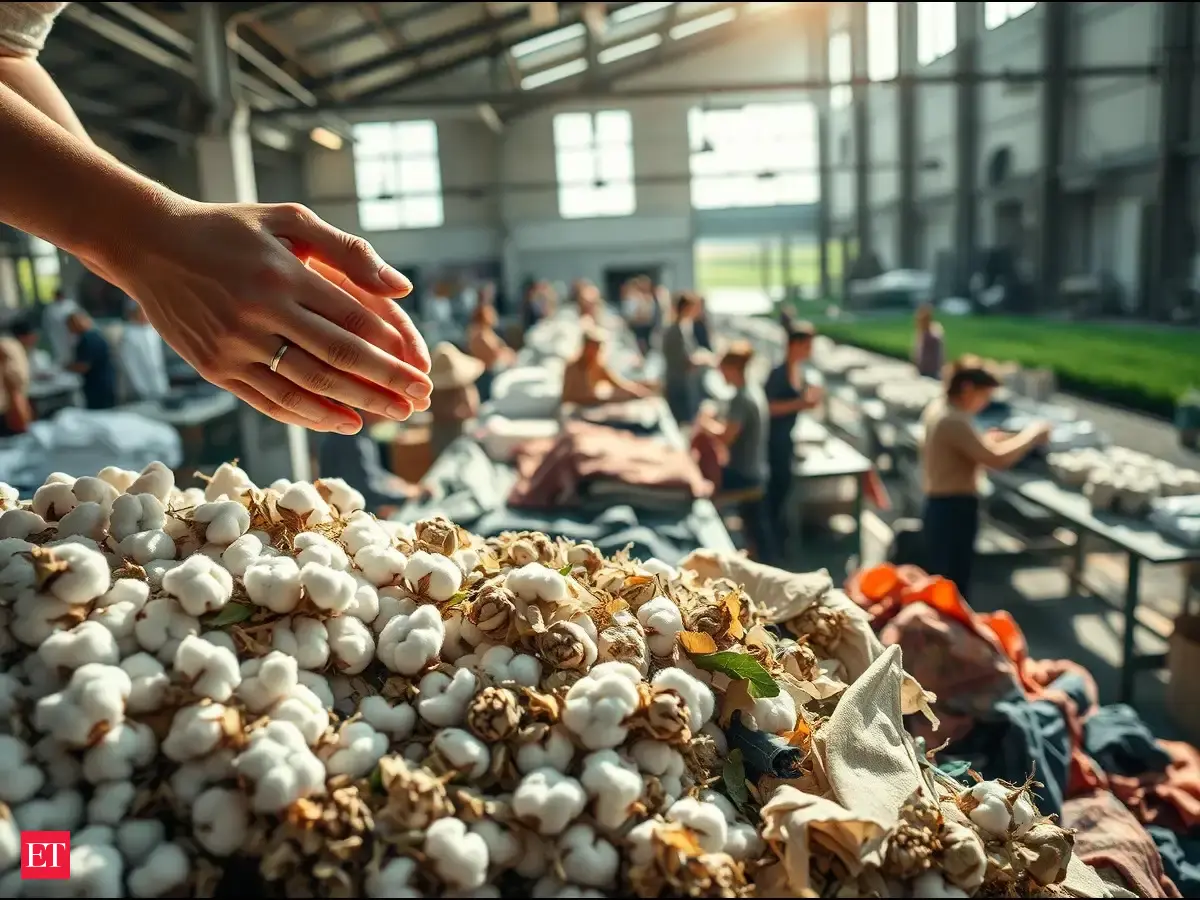
The fashion industry has faced mounting scrutiny over its sustainability practices, with brands touting emissions reduction targets and the use of recycled materials. However, discussions during New York Climate Week 2026 revealed significant hurdles in achieving meaningful change. According to a report by Vogue, simply introducing alternative materials or setting net-zero targets fails to address the underlying complexities of a global industry interconnected through a vast network of farms, manufacturers, logistics, and consumers.
Read More
Vogue noted that the scale of the production issue is becoming increasingly evident. In 2025, global fiber production reached 139 million tons, up from 132 million tons the previous year, per Textile Exchange data. Polyester remains the dominant fiber, accounting for 59% of total production, leading to a paradox where the push for more sustainable options coexists with rising fiber output.
At New York Climate Week, the challenges related to fashion’s green transition were central to many discussions. The complete process of creating garments—from raw material collection to manufacturing— presents numerous opportunities for emissions at each step, complicating efforts for sustainability.
Data shows that polyester production jumped from 77.7 million tons to 82.5 million tons between 2024 and 2025, with the majority of this being virgin, fossil-based polyester. While there are initiatives exploring recycled fibers and alternative materials, the challenge lies in scaling these alternatives at competitive prices.
The Climate Pledge Fashion Coalition, initiated during the conference with partners like Amazon and Stella McCartney, is aimed at addressing these issues. It includes over 60 stakeholders from the fashion sector working towards scaling down lower-carbon technologies. Founders highlight a recurring problem: innovative materials often remain cost-prohibitive and insufficiently available.
A significant takeaway from the discussions is that the industry must shift focus from simply discovering new materials to ensuring these materials can be produced in adequate quantities. A robust manufacturing framework is essential, from reliable supply sources to the right pricing strategies.
The Coalition aims to bridge this gap by creating financing mechanisms and collective purchasing strategies, potentially increasing demand for sustainable materials, thus attracting investment into their production. However, without substantial collaboration, materials that are currently more expensive may struggle to gain traction in the market.
Furthermore, the fashion industry faces the dilemma of not just cleaning up its production processes but also confronting the rising volume of output. From 2000 to 2025, global fiber production surged from 58 million tons to 139 million tons, with polyester and cotton leading production increases. As a result, even if sustainability measures are taken, the overall environmental impact may still worsen due to heightened production levels.
Improving recycling processes and reducing reliance on virgin, fossil-based fibers are essential to mitigate these issues. Yet, simply substituting one fiber for another will not suffice.
Fashion's sustainability dilemma extends to emissions generated beyond retail spaces, with significant environmental impacts arising from factories and raw material production. Climate discussions are starting to involve suppliers and production systems more closely. The initiative seeks to facilitate dialogue between brands, manufacturers, and tech companies, exploring blended financing strategies to encourage investment.
During Climate Week, there was also a broader emphasis on the importance of natural resources and the environmental impacts of fashion, including water use and agricultural practices. For example, the production of cotton and synthetic fibers relates directly to their environmental footprint. As conversations evolve, the definition of sustainability in the fashion industry is expanding to recognize that a garment’s impact begins long before it reaches a store.