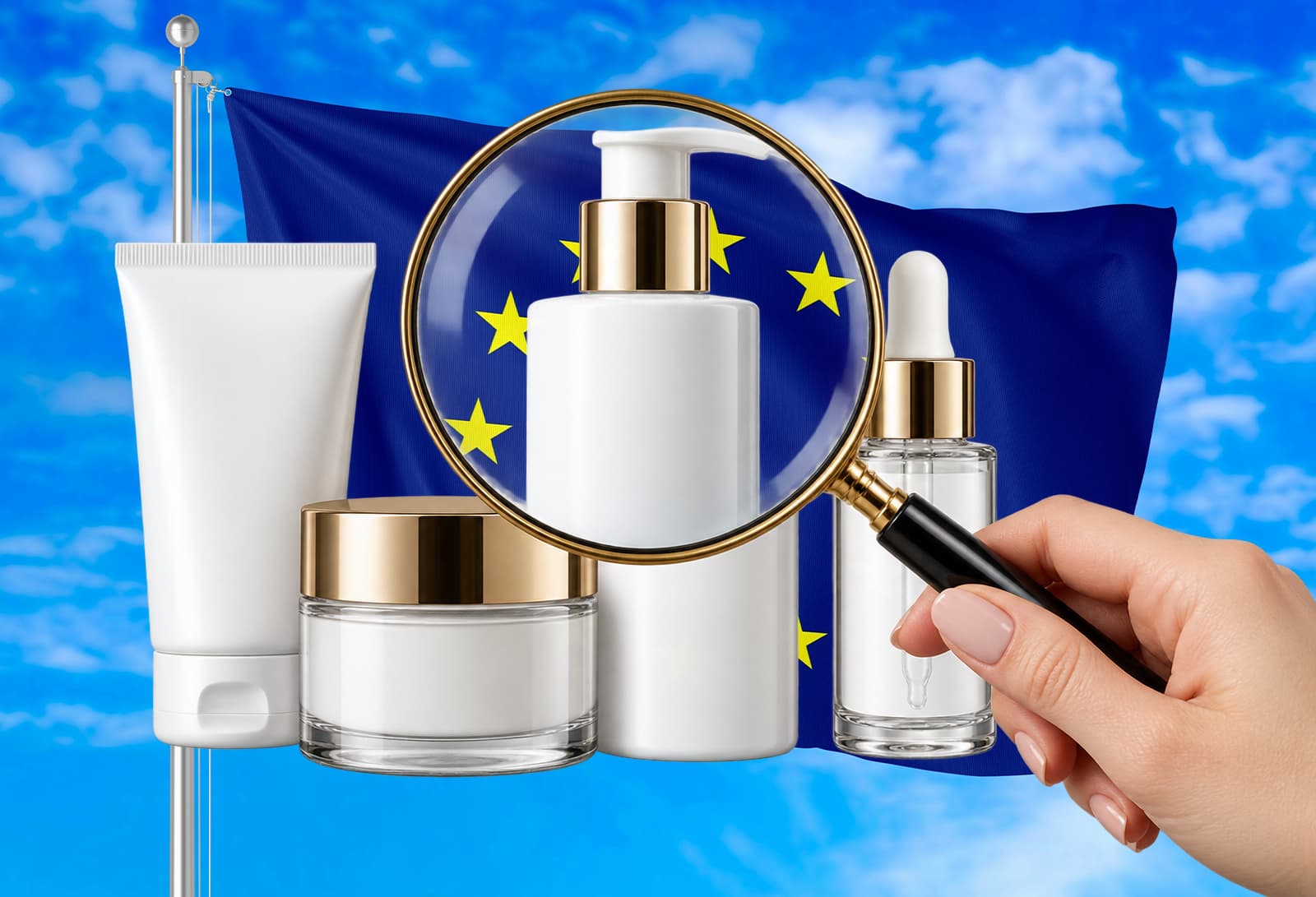
The European Union (EU) has introduced a series of regulatory updates that significantly impact the global beauty industry. These changes, which encompass ingredients, chemicals, and packaging, require companies to adapt before compliance deadlines.
Read More
In June 2024, the EU began a new regulatory cycle with the formation of the European Parliament and the European Commission, which will extend until 2029. This period has seen numerous regulatory proposals affecting the beauty sector.
The focus of the current five-year cycle is simplification, with the European Commission aiming to reduce administrative costs by €37.5 billion ($42.6 billion) across all industries by the end of its mandate. As a result, some ongoing revisions, particularly the major chemical regulation known as REACH (Registration, Evaluation, Authorization, and Restriction of Chemicals), have been paused to maintain stability. The revision of the EU Cosmetic Products Regulation (CPR) is still taking place, but industry sources believe it may also face delays due to the resolution of related issues through other regulatory updates.
Significant regulatory changes have been introduced through omnibus measures, which amend multiple EU legal acts simultaneously. Between January 2025 and June 2026, the Commission issued twelve omnibus proposals aimed at cutting recurring administrative costs by €14 billion ($15.9 billion).
The latest omnibus proposal, Omnibus VI, is crucial for the beauty industry. Set to be enacted by the end of 2026, it will streamline the approval process for new cosmetic ingredients, enhance digital ingredient glossaries, and revise derogation processes for carcinogenic, mutagenic, and reprotoxic substances. This effort has garnered support from the industry as it simplifies bureaucratic hurdles.
However, other regulations such as the Revised Urban Wastewater Treatment Directive and the Packaging and Packaging Waste Regulation have been criticized for imposing excessive responsibility on the cosmetics sector. Leading beauty executives have voiced concerns that these frameworks could lead to significant financial burdens, particularly with the requirement for cosmetic producers to partly fund wastewater treatment upgrades.
Despite these challenges, there is legal scrutiny over the imposition of costs related to wastewater treatment, with pending rulings that could alter this requirement.
Upcoming compliance deadlines are pressing for ingredient reformulations. Companies must reformulate products containing microplastics by October 2027 for rinse-off items and by 2035 for leave-on products. Additionally, a ban on per- and polyfluoroalkyl substances (PFAS) in cosmetics will take effect in France in 2026, with expectations of a broader EU ban.
Labeling laws will also undergo significant changes, mandating the declaration of over 80 fragrance allergens starting in July 2026. Products launched before this deadline will have until July 31, 2028, to comply.
The complexity of EU beauty regulations is characterized by multilayered compliance that evolves continually, requiring robust safety assessments and alignment across the supply chain. U.S. companies must be particularly diligent, as the U.S. and EU beauty markets are closely interconnected, with EU–U.S. trade in cosmetics amounting to approximately $14.6 billion in 2025.
Industry experts emphasize that regulatory compliance should be integrated early into product design rather than treated as an afterthought. As regulations encompass a broader scope beyond product safety to include environmental impacts and packaging recyclability, compliance considerations are increasingly becoming strategic priorities that extend beyond regulatory departments into corporate decision-making.
Overall, while the EU regulatory landscape is complex, it offers opportunities for innovation in safe chemistry, transparent supply chains, and improved packaging design, ultimately benefitting the beauty industry.