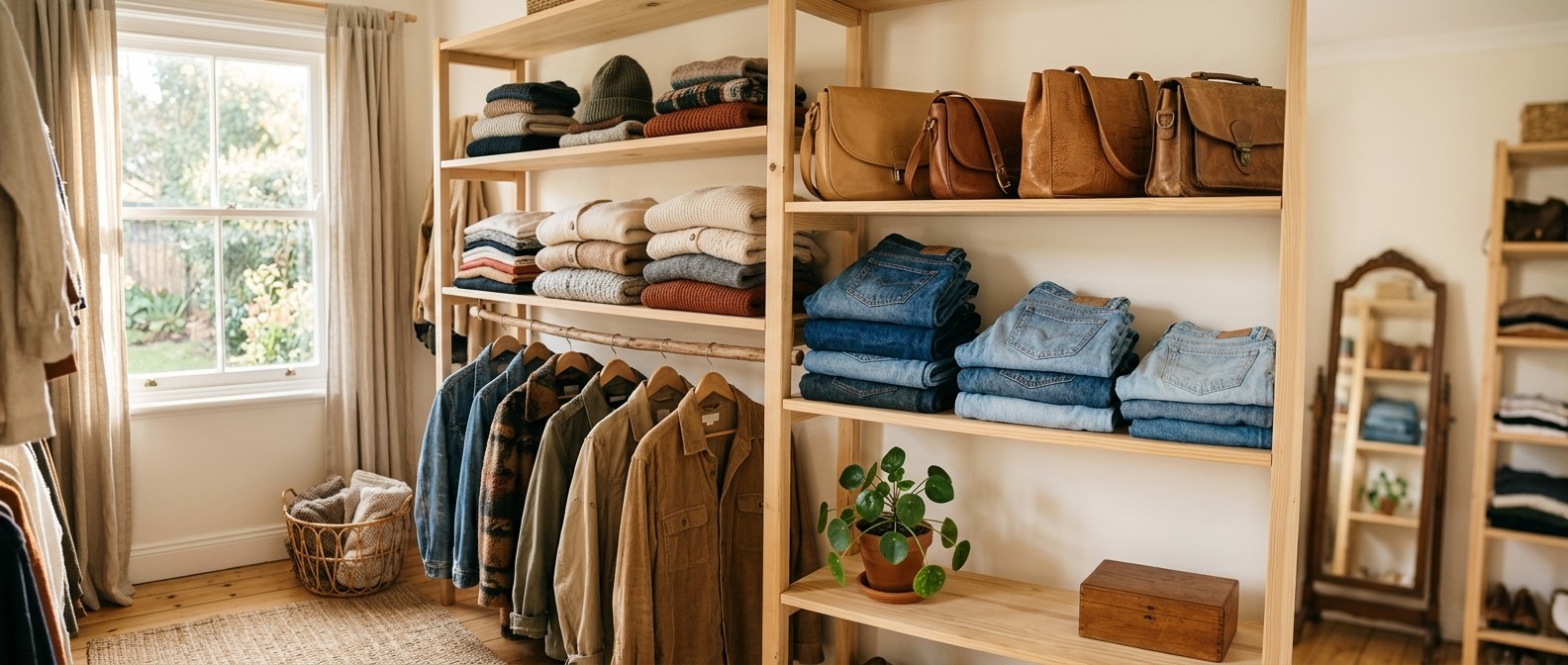
The fashion industry generates massive amounts of waste annually, with millions of garments ending up in landfills while new collections continuously replace older ones. A potential solution to this environmental crisis may lie not in new materials or manufacturing processes, but in altering the perception of clothing ownership. The resale market has emerged as a significant influence in promoting sustainability, extending the lifecycle of garments, reducing demand for new production, and fostering a shift toward a circular economy.
Read More
Resale platforms have made it easier for consumers to buy and sell pre-owned clothing, allowing garments to be worn multiple times before reaching the end of their lifespan. For example, a jacket purchased five years ago can be resold and worn for another decade or more. Each resale prevents garments from becoming waste, maximizing the use of natural resources and energy invested in their creation.
The production of new clothing requires substantial natural resources, from the water and pesticides used in cotton farming to the chemical dyes and synthetic materials derived from fossil fuels. By purchasing secondhand items instead of new ones, consumers decrease the demand for new manufacturing. A thriving resale market means factories produce fewer new garments as existing items remain in circulation longer. Many entrepreneurs entering this market often do so by using thrift store models that promote the circulation of pre-owned garments within communities, preventing them from heading to landfills.
Currently, secondhand sales account for about 10% of global apparel spending. The 2024 resale report from ThredUp noted that resale grew 15 times faster than the overall retail clothing sector in 2023, with the secondhand apparel market expected to reach $350 billion by 2028. Online resale, the fastest-growing segment, expanded by 23% in 2023 and is projected to constitute half of all secondhand spending by 2025.
The viability of the resale market encourages brands to prioritize durability and quality in their clothing designs, knowing their products might be resold rather than discarded. Brands that produce timeless and high-quality items often maintain a positive reputation in resale communities, while those known for poor durability struggle to attract buyers. Well-made denim and classic leather bags tend to command higher resale prices because they withstand years of use, pushing manufacturers to improve their standards and materials—an essential aspect of any credible sustainable fashion strategy.
Changing attitudes toward secondhand shopping has altered perceptions of clothing ownership. Younger consumers increasingly view resale as a smart and environmentally conscious choice rather than a compromise. This cultural shift lessens the pressure to continuously buy new items to keep up with trends and makes secondhand shopping more socially acceptable. Growing resale communities celebrate vintage finds and share tips for styling used pieces, reinforcing sustainable values.
Closing the loop on fashion waste, resale creates a circular economy where garments change hands multiple times, significantly reducing the volume of clothing sent to landfills. An efficient resale infrastructure supports longer usage of garments, minimizing the need for their storage or quick disposal. As resale platforms enhance their technologies to connect buyers with available items, more garments retain their usability.
The scale of the textile waste issue is immense. According to the European Parliament, 92 million tonnes of textile waste are generated worldwide annually, with 5.8 million tonnes discarded in the European Union alone. The average garment is typically worn only seven to eight times, and only 12% of textile waste in Europe is captured for reuse and recycling, with the majority ending up in landfills or incinerators.
In conclusion, the resale market offers a practical and scalable solution for increasing sustainability in the fashion industry. By extending garment lifespans, reducing production demands, promoting higher quality, and reshaping consumer attitudes, resale tackles multiple environmental issues simultaneously. The rise of secondhand fashion platforms illustrates that choosing sustainable options is compatible with style and affordability, paving a path where environmental responsibility aligns with smart economic choices and cultural values.