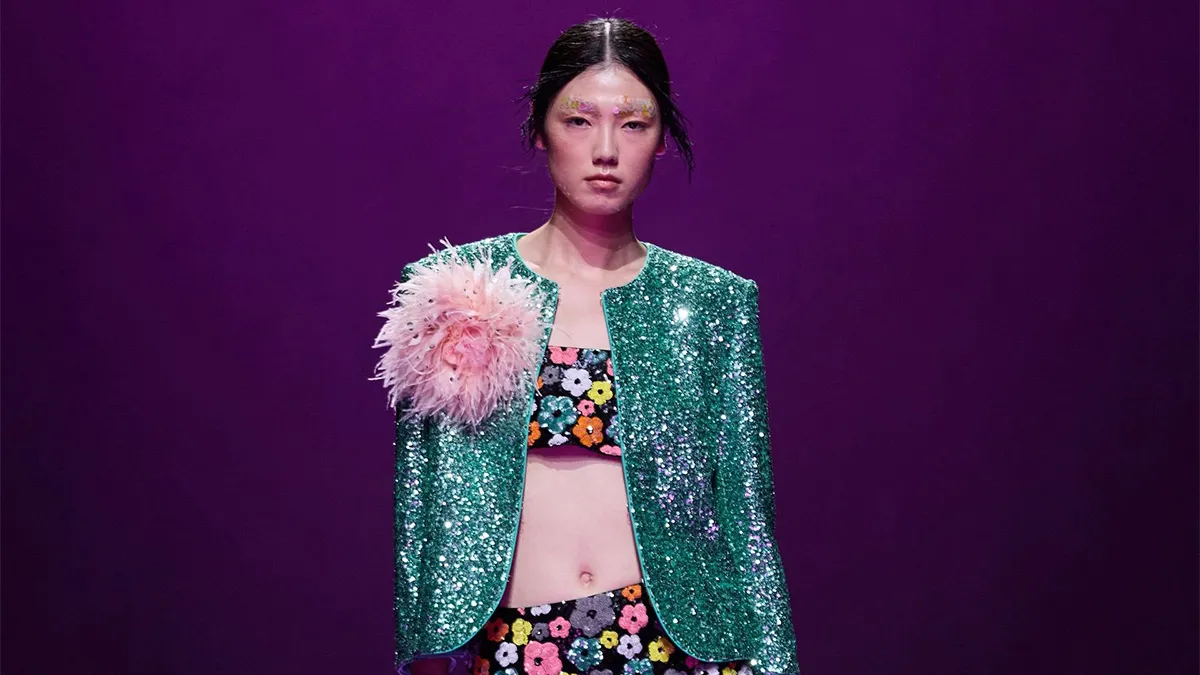
Shanghai Fashion Week, held from October 8 to 16, 2023, showcased a notable shift among China's independent designers, who are reevaluating their business models. The season, featuring shows like Hemu's Silk Road collection, highlighted a trend toward greater autonomy in reaching customers and managing retail relationships.
Read More
Emerging labels have traditionally depended on exposure through fashion week and placement in multi-brand boutiques for recognition and sales. However, as brands cultivate stronger consumer followings, many are seeking to take control of their distribution channels. This shift is particularly crucial as the luxury market in China continues to experience a sluggish recovery, with consumers becoming more selective in their spending.
In response, designers are reimagining their collections for everyday wear rather than occasional pieces. For instance, Pronounce celebrated its 10th anniversary with a womenswear line that challenged conventional menswear and womenswear distinctions. Similarly, Shushu/Tong focused on broadening its aesthetic, pairing classic feminine elements with casual wear, while Xu Zhi blended Victorian styles with modern street fashion. The overarching theme was a polished yet relaxed approach, emphasizing versatility and usability in design.
Brands are also exploring direct-to-consumer relationships by opening physical stores and testing pop-up retail. This move marks a significant shift from reliance on showrooms and wholesale partners, which often limited their understanding of customer preferences. Highlights include Samuel Guì Yang's new store in Shanghai and Markgong's first flagship location in IAMP Mall.
RuiBuilt experimented with a pop-up shop during the fashion week, using it to offer exclusive items and engage directly with consumers. Other brands are developing tailored strategies with wholesale partners, attempting to foster more direct relationships with buyers to streamline order negotiations and delivery schedules.
As the landscape of fashion retail continues to evolve, many established labels are weighing the balance between independent operations and partnerships. The ability to adapt to shifting consumer demands and establish a clearer connection to buyers will be critical for their ongoing success.