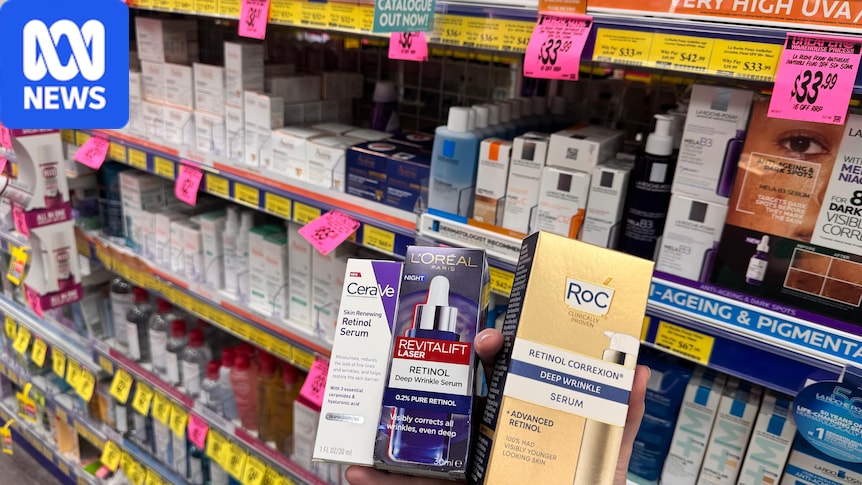
Retinoids are increasingly popular in the skincare industry, but their safety for pregnant women is under scrutiny. Retinoids, derivatives of vitamin A, are touted for their effectiveness in treating skin issues such as acne and wrinkles. However, medical experts provide mixed guidance on their use during pregnancy, particularly regarding over-the-counter options.
Read More
Pregnancy often brings conflicting advice regarding safe products, especially in skincare. Despite retinoids' effectiveness, health authorities highlight the uncertainty surrounding their use when pregnant. Oral retinoids, such as isotretinoin (taken orally) and tretinoin (applied topically), are known to be unsafe for expectant mothers and are clearly labeled as such.
Over-the-counter topical retinoids, including lower-concentration retinol, have varying recommendations. New South Wales Health's Mothersafe service claims these products are generally safe due to their low absorption levels, although it advises against prescription topical treatments. Chemist Michelle Wong supports this view, noting that conventional retinol should be safe in standard use during pregnancy, barring misuse.
Conversely, many healthcare professionals, including maternal fetal specialists like Laura Gerhady, caution against any use of topical retinoids due to insufficient research on their effects. Gerhady points out that most users seek these treatments for non-essential issues like acne, making the risks hard to assess.
Regulatory ambiguity complicates matters further, as there are no strict labeling requirements for skincare products containing retinoids apart from adapalene, which is now available as a behind-the-counter pharmacy option. Gerhady indicates that the lack of clear guidelines contributes to inconsistent messaging around the safety of topical retinoids.
Dermatologist Deshan Sebaratnam recommends that pregnant patients avoid all retinoids as a precautionary measure, likening the approach to avoiding alcohol during pregnancy. The American College of Obstetricians and Gynecologists also advises against both prescription and over-the-counter retinoids, despite acknowledging the low systemic absorption of these products.
In the event a pregnant woman accidentally uses a topical retinoid, Wong believes there is no need for alarm, noting that the amount likely absorbed into the system would be minimal. She emphasizes that while the risk is low, caution should still prevail, especially concerning more potent options like tretinoin.
Recent research suggests no clear link between the use of topical retinoids during pregnancy and increased birth defects, yet the study's authors caution that this could understate potential risks, underscoring the need for further investigation.
For expectant mothers considering retinoid use, consultation with healthcare professionals is essential. Alongside retinoids, other ingredients like minoxidil and hydroquinone are also best avoided during pregnancy, while other cosmetic products are generally deemed safe in moderation. Care should be taken with unregulated online products and high doses of salicylic acid, which should be discussed with a healthcare provider to ensure safety.