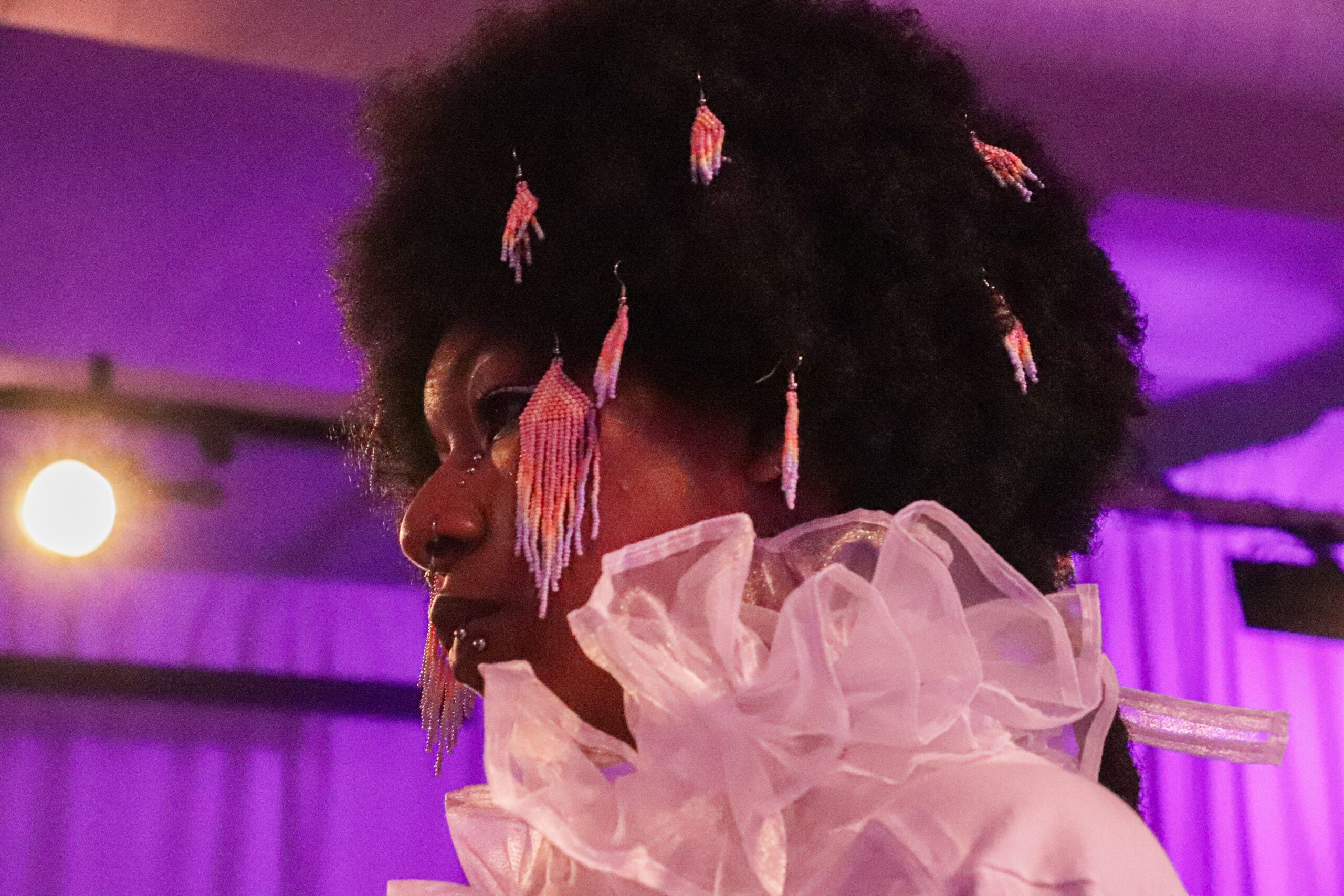
Indigenous New York Fashion Week (INYFW) celebrated its second year from September 10 to 15, featuring 30 Indigenous designers during six shows in the Manhattan area known as Lenapehoking. The event focused on themes of relationships, culture, and the future, showcasing various collections that reflect these concepts.
Read More
During the Emerging Voices show on September 11, Cheyenne Rain LeGrande, a designer from the Bigstone Cree Nation, presented a vibrant collection, which included unique laced-up mini skirts and a standout wearable art piece made from 3,300 pop can tabs and ribbons. Cheyenne’s sibling, Dusty LeGrande, assisted backstage, highlighting the familial ties prevalent in the event.
“It's kind of so special because now he’s backstage with me, helping me lace up these garments,” Cheyenne told IndigiNews. Their collection incorporated both traditional and contemporary elements, illustrating the artist's exploration of queer identity and Indigenous futurism through fashion.
The American Indian Community House provided a transformed venue, with seating arranged around the runway for the shows organized by co-founders Korina Emmerich (Puyallup descent) and Liana Shewey (Mvskoke). The week featured collections categorized as Contemporary Culture, Emerging Voices, Knowledge Keepers, Thought Leaders, Luxury, and Couture, with designers from various Indigenous communities, including those from Canada.
Dusty LeGrande showcased his Mobilize Waskawewin collection on September 12, emphasizing a blend of performance art and fashion. He described his inspirations as rooted in his relationship with his children, remarking, “What I try to do with Mobilize is bring back that energy of playing dress-up as a kid.” His show featured a spoken word performance and encouraged models to express themselves freely, adding a personal touch to the runway experience.
Cheyenne also participated as a model in Dusty's collection, illustrating the collaborative spirit between the siblings in the fashion space. They both noted the importance of having family support during the event, which they felt reinforced their collective journey in the fashion world.
The event marked a significant step for INYFW, now included in the official New York Fashion Week calendar, and grounded in Indigenous land. Emmerich highlighted the importance of building a community that emphasizes care and respect, adding, “It’s just important to build a community of support and protection.”
To further community engagement, portions of ticket sales benefitted the American Indian Community House, underscoring the event’s commitment to supporting local Indigenous populations.
In addition to the runway shows, INYFW included traditional performances, cedar smudging, and opportunities for designers to interact with industry professionals. Emmerich hopes to pave the way for sustainability and Indigenous leadership in fashion, stating, “We’re really trying to break down those walls and give people the information that’s needed.”
The week concluded with a Couture show that drew a sold-out crowd, reinforcing INYFW's mission to create a safe and welcoming space for Indigenous designers and artists, allowing them to express their stories and heritage through fashion.