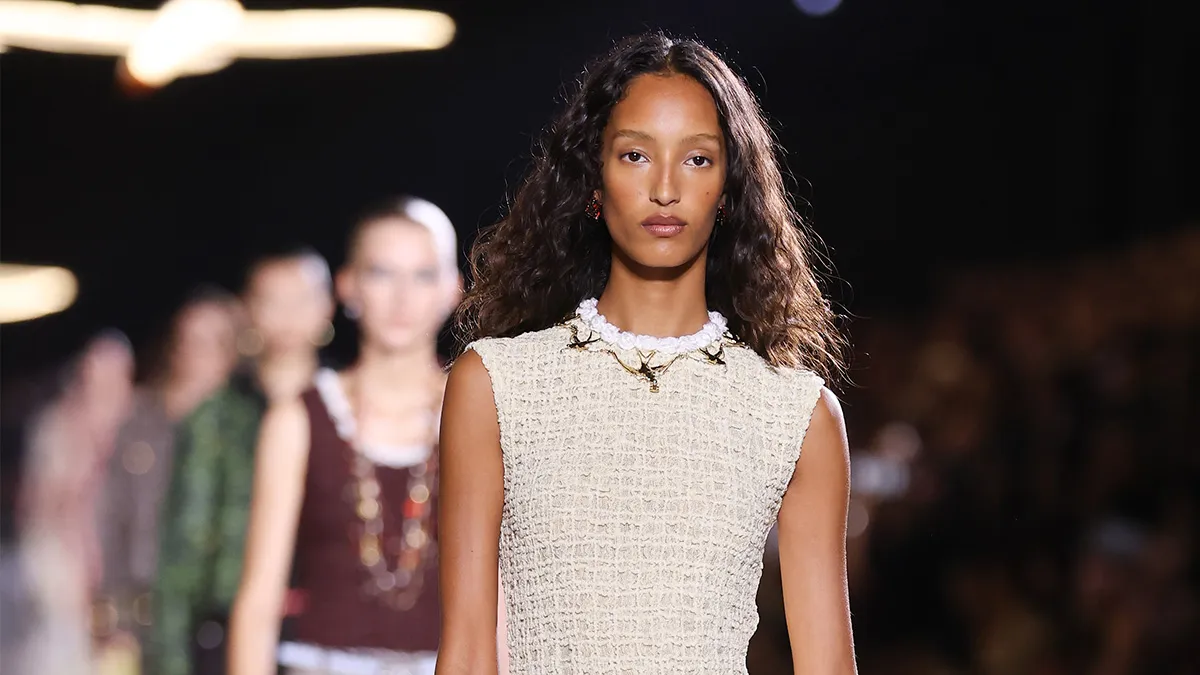
Paris Fashion Week (PFW) showcased a diverse array of collections from designers amid global economic concerns. Linda Fargo, Bergdorf Goodman’s senior vice president of fashion, praised the quality of the shows, stating, "The stakes were really high, and I think the houses and designers more than met the challenge."
Read More
Day one featured Matières Fécales at Place de la République, which celebrated diversity with its 99 looks, all presented by models of color. Designers Hannah Rose Dalton and Steven Raj Bhaskaran emphasized the empowerment of the 99%, calling it a standout moment of the week. Following this, notable brands like Dior and Saint Laurent also made strong impressions during their presentations.
The collections appeared particularly fitting for the warm October weather in Paris. Pascal Morand, executive president of the Fédération de la Haute Couture et de la Mode (FHCM), noted the positive atmosphere among designers, highlighting the resurgence in product consistency despite a challenging climate. The event was complemented by numerous exhibitions and cultural events, such as "Penn & Fashion" and an exhibition celebrating Rafael Pavarotti’s photography.
Celine Dion's Paris residency coincided with PFW, attracting attendees who donned her merchandise at the shows. Although she did not attend the front rows, Dion performed at a L’Oréal Paris show and was spotted in various outfits, including one from Givenchy's upcoming collection.
Fashion experts observed a continued emphasis on wearability and realism in presentations. Designers responded to market challenges by crafting collections that catered to consumer preferences. Edward Buchanan noted that designers were considering commercial viability, reflecting a trend toward safer, more accessible pieces. Glenn Martens of Maison Margiela discussed creating a cohesive concept across his collection while appealing to a broader clientele.
Schiaparelli also embraced a more casual approach, while Rick Owens showcased softer designs amid his typically avant-garde style. Thakoon Panichgul remarked on the beauty of commercial designs, particularly at Celine, while Chanel delivered fresh interpretations of classic pieces under Matthieu Blazy.
This season saw only two new creative introductions, Drew Henry at Courrèges and Kai Nesselrath at Carven, amid rumors of farewells at Saint Laurent and Chloé. Saint Laurent’s show culminated in a performance by Charlotte Gainsbourg, marking Anthony Vaccarello's tenth year as creative director. Meanwhile, Chloé's Kamali presented looks inspired by her affection for the brand.
The rise of artificial intelligence in fashion discussions was evident, with Nesselrath drawing parallels between AI's impact and the introspective nature of poetry. Valentino’s Alessandro Michele emphasized the importance of human craftsmanship over technological advancements, urging a celebration of literature through donations to local libraries.
Overall, the collections prominently featured skirts, lingerie-inspired pieces, and fluid fabrics. Designers like Prada led the way in the resurgence of skirts, while various brands presented lingerie-inspired items as a nod to modern femininity. The season also highlighted a light and transparent aesthetic appropriate for the warmer climate, with many labels focusing on seasonal relevance.
Nicolas Ghesquière at Louis Vuitton created an ultra-light collection reflective of the necessities of today's wardrobe. Floral appliqués, romantic elements, and an optimistic color palette characterized the shows, with strong sales prospects forecasting a shift toward luxurious footwear as a key category. Schiaparelli debuted a new shoe line, while Saint Laurent's gold snake shoes became a sensation.
As PFW concluded with Louis Vuitton’s visually striking set design, Ghesquière expressed a desire to capture the essence of urban life amid ongoing chaos. Each collection contributed to a narrative of resilience and creativity against a backdrop of uncertainty.