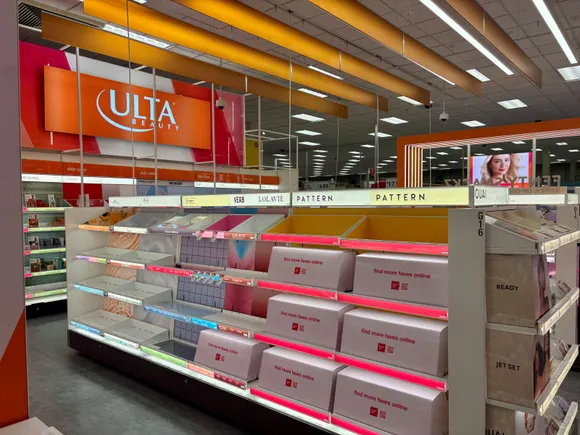
Target has officially concluded its shop-in-shop partnership with Ulta Beauty as of Sunday, marking a strategic shift in its approach to the beauty market. The breakup was announced through a joint statement last August after a year of planning. As a result, linking Ulta Beauty Rewards and Target Circle accounts will no longer be an option, although any Ulta points earned from eligible purchases at Target before the split will remain intact for shoppers.
Read More
Neil Saunders, Managing Director at GlobalData, commented that despite the separation, Target's beauty sector remains robust. He noted that while the partnership's end may have initially seemed detrimental, Target would likely manage the change effectively.
To compensate for the loss of over 600 Ulta shop-in-shops, Target is set to open new Beauty Studios in approximately 600 of its locations, although details on specific openings have yet to be announced. As of May 2, Target operated 2,002 stores nationwide.
Target's new Chief Merchandising Officer, Cara Sylvester, discussed the Beauty Studio concept during a financial meeting in March, which is part of a broader turnaround strategy led by CEO Michael Fiddelke. Sylvester also mentioned plans to enhance the loyalty program with beauty-specific rewards.
The introduction of Beauty Studios signals Target's commitment to offering premium, innovative beauty options while also potentially improving profit margins.
Target's first quarter earnings reveal a positive trend, with net sales growing 6.7% year over year to $25.4 billion, and beauty net sales increasing by approximately 9.5% to nearly $3.4 billion. This uptick reflects a growing interest in both prestige and mass beauty sectors.
As Target and Walmart compete for market share in the thriving beauty category, Walmart has announced plans to expand its new specialized beauty associate role to 425 stores, following a successful pilot program. According to Circana data, U.S. prestige beauty sales grew 7% year over year to $17.1 billion in the first half of 2026, while mass retail sales saw a similar increase to $39.2 billion.
The landscape of beauty retail is evolving, with specialized retailers like Sephora and Ulta no longer the only significant players. Ally McPartland, beauty and luxury manager at Kearney, highlighted that consumers are increasingly blending their shopping experiences across channels, evaluating retailers on factors such as curation, experience, and convenience. Nearly 45% of U.S. beauty shoppers utilize mass retailers, while 44% choose specialty stores.