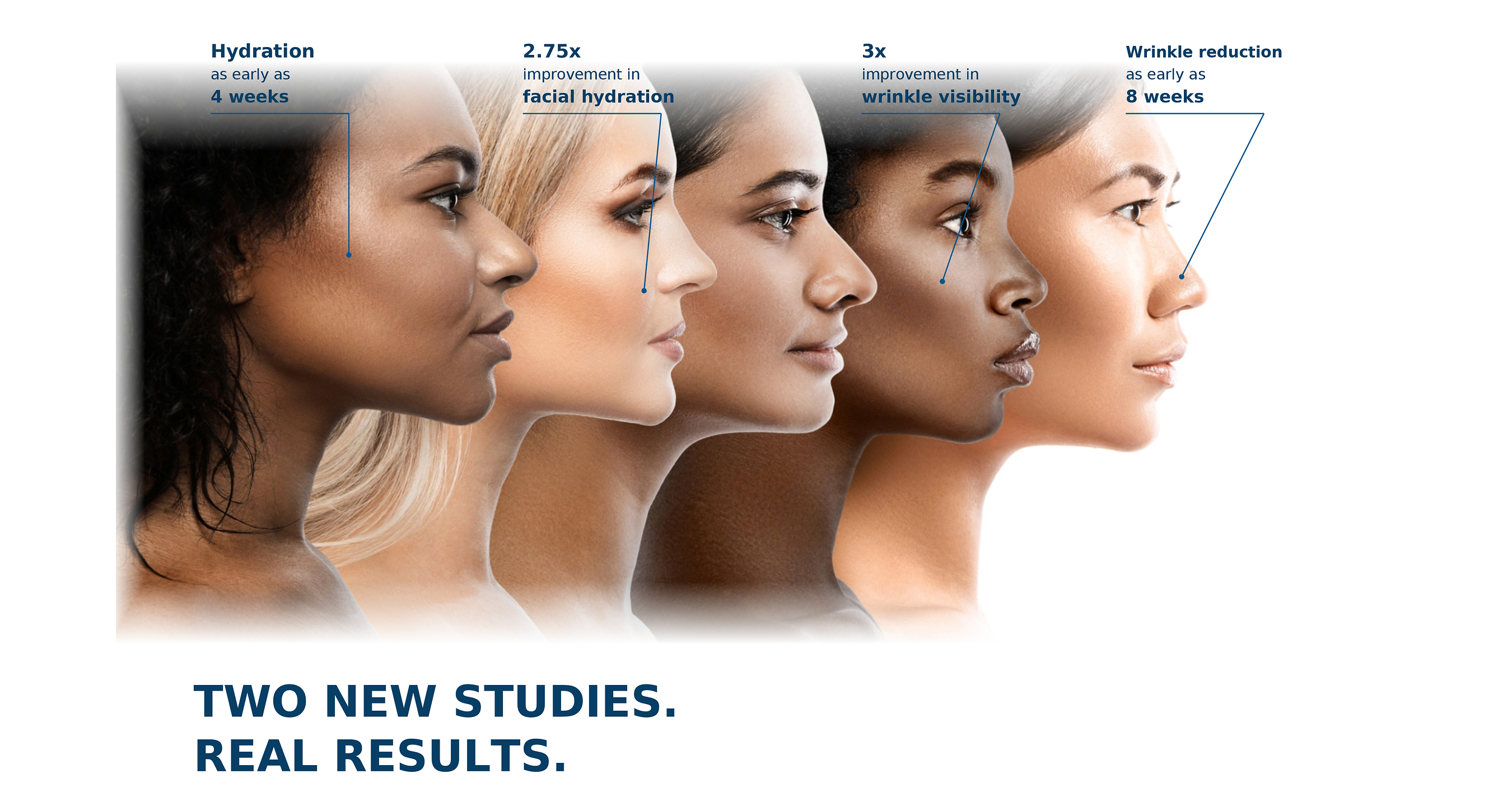
PLT Health Solutions, Inc. has announced new clinical research on ceratiq® Phytoceramides, revealing enhanced benefits that extend beyond hydration and wrinkle reduction to include improvements in sensitive skin and dermal density. The two recent randomized clinical studies show significant advancements in measures relevant to sensitive skin and the structural integrity of skin, marking a notable enhancement in the ingredient's applications.
Read More
Ceratiq has been validated through a comprehensive research program, comprising seven human clinical studies with hundreds of participants. These studies were conducted at multiple independent research sites and employed various validated methodologies, such as corneometry, ultrasound, Cutometer measurements, and recognized wrinkle-rating scales. This vast body of evidence provides brands with reliable results and a clinically validated dosage.
Jennifer L. Murphy, M.S., R.D., Head of Innovation and Clinical Science at PLT Health Solutions, highlighted that the new studies push ceratiq science into important new areas. Ceratiq is a gluten-free wheat lipid extract high in phytoceramides, which aids in maintaining skin barrier integrity and supporting the dermal matrix associated with skin density, hydration, and a smoother appearance. It can be used in various formats, including dietary supplements and beauty products, at a daily dose of 350 mg.
Sid Hulse, Vice President of Product Development at PLT Health Solutions, stated that these new studies reinforce both the scientific and commercial narratives surrounding ceratiq. He noted that as consumers increasingly recognize collagen's role in skin health, ceratiq offers a unique way to contribute to that understanding while also addressing hydration and the appearance of wrinkles. Hulse added that the breadth and quality of the research supporting ceratiq are unparalleled in the phytoceramide sector.
In the clinical study on sensitive skin involving 60 women, subjects receiving 350 mg ceratiq displayed a significant reduction in transepidermal water loss (TEWL) and erythema, which is assessed through standardized redness scoring. TEWL is a key indicator of skin barrier integrity, confirming that ceratiq not only enhances barrier function but also reduces visible redness associated with sensitive skin. Additional preclinical research supports these findings by indicating decreased skin-reactivity signaling.
Further research on dermal density involved 40 healthy women with dry to very dry skin, wherein taking 350 mg/day ceratiq improved skin hydration, density, firmness, and wrinkle appearance. Objective measures showed significant improvements in dermal density by day 90 when compared to placebo, indicating that ceratiq contributes significantly to the structural aspects of skin health.
Murphy emphasized the groundbreaking nature of these studies, which connect stronger barrier function with reduced TEWL and visible redness in sensitive skin, while also demonstrating substantial improvements in dermal density and hydration. This new information adds to over twenty years of ceratiq research, which previously indicated enhanced hydration after four weeks and reduced wrinkle visibility after eight weeks, benefits that persisted for eight weeks after stopping supplementation.
Hulse concluded by underscoring that both the quantity and quality of research are critical, affirming that ceratiq provides a robust foundation for product developers aiming to engage in the beauty-from-within market.