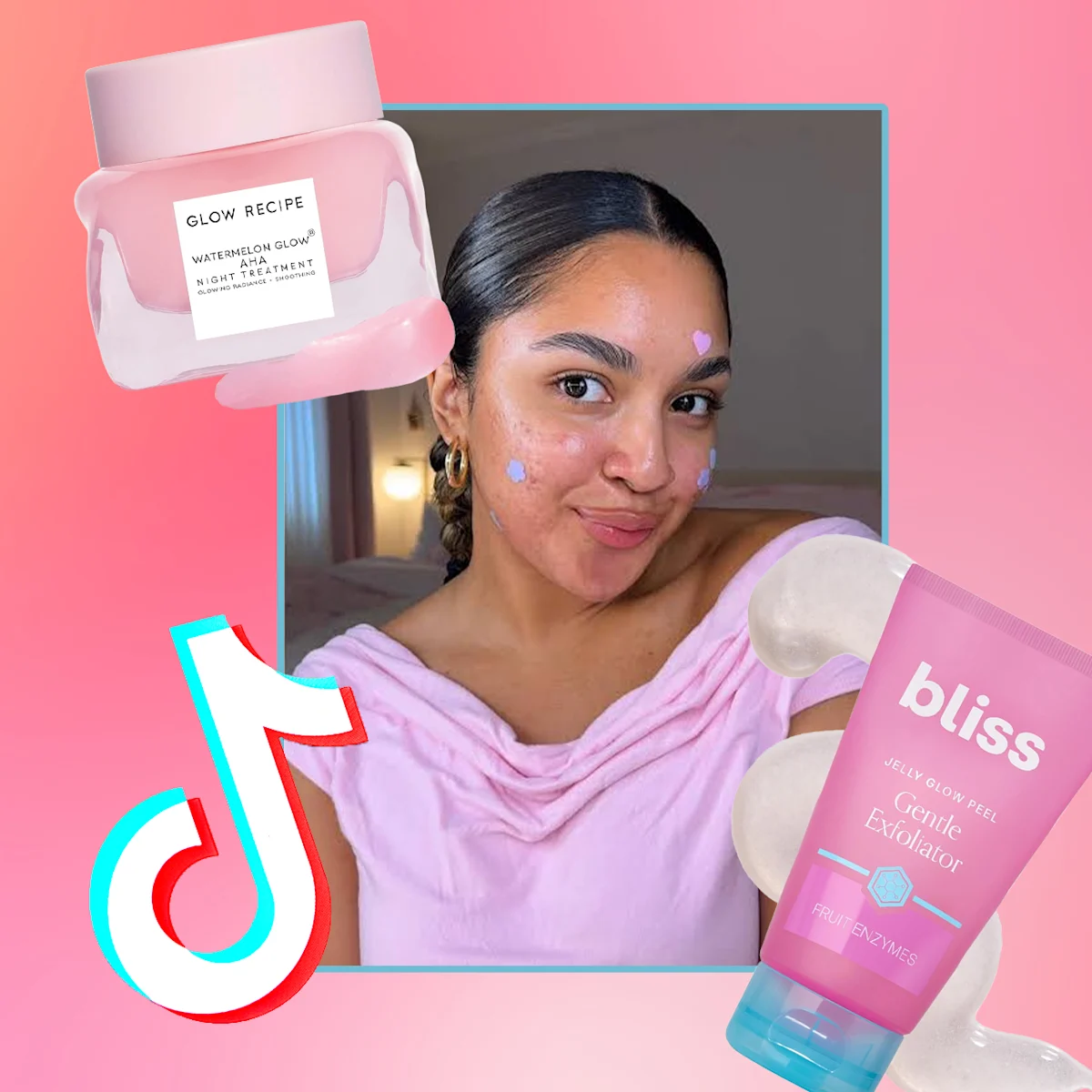
A recent study presented at the European Academy of Dermatology and Venereology (EADV) Congress 2026 raises concerns about the impact of viral TikTok skincare trends on skin health. Researchers found that many popular routines and products promoted on social media may lead to inflammatory skin conditions.
Read More
One study revealed that nearly 95% of TikTok videos related to Korean skincare and achieving 'glass skin' contained at least one misleading claim. Another study examined 94 dermatology patients who experienced new or worsened skin issues after using products advertised on social media. These findings suggest a need for caution when adopting complex skincare routines encouraged by influencers.
A significant issue highlighted was the use of multiple active ingredients in skincare routines. In the study, almost half of the patients were following complete skincare routines based on social media guidelines, while 63% used more than three active ingredients simultaneously. The most common products associated with negative reactions were chemical exfoliants, making up 34% of cases, followed by over-the-counter retinoids at 27% and vitamin C serums at 14%.
Dr. Ouissal Hormi, lead author of the patient study, noted that the way these products were being used, often based on advice from non-medical influencers, was especially concerning.
Another alarming trend was the frequent use of exfoliating acids, which were commonly touted for their quick results. However, excessive use can lead to skin damage, and among the patients studied, many displayed symptoms like irritant contact dermatitis and acne flare-ups.
The research also warned against the risks of using retinoids without proper guidance. These products can be irritating when combined with other active ingredients or introduced too rapidly into a routine. Retinoids were implicated in 27% of the negative reactions observed in the study.
Analyses of 38 TikTok skincare videos showed that 32% promised instant results and 84% did not consider variations in skin types. Alarmingly, only one video mentioned irritation risks, highlighting a lack of safety information in this digital landscape.
Patients reported a range of adverse reactions, including irritant contact dermatitis (42%), worsened acne (28%), and rosacea flares (12%). While these statistics reflect the specific patient group studied, they serve as a reminder to monitor skin reactions when trying new products.
The researchers indicated that Korean skincare practices are not inherently harmful, but the way social media amplifies certain trends can lead to misguided applications without sufficient guidance. They emphasize the importance of seeking professional advice, especially when experiencing irritation from new products.
In conclusion, dermatologists are encouraged to provide evidence-based information to counter misleading trends and promote safe skincare practices. Consumers are advised to proceed cautiously, focusing on individual skin needs rather than the latest viral routines.