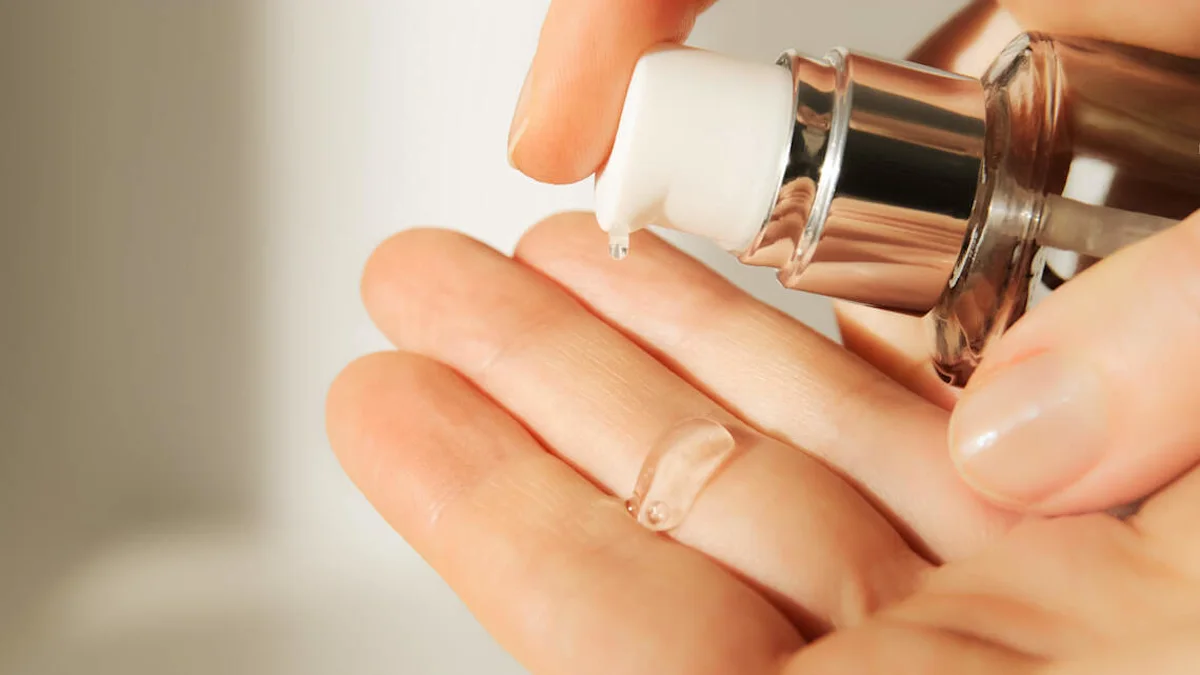
The women's intimate care sector has emerged as a significant growth area in the beauty industry. Products such as washes, serums, and moisturizers specifically formulated for the vulva are increasingly available in drugstores, TikTok Shop, Target, and premium beauty outlets. The global women's intimate care market was estimated to be worth $35.01 billion in 2025 and is projected to increase to $54.63 billion by 2034, reflecting a compound annual growth rate of 5.07%, according to Fortune Business Insights.
Read More
The rise of intimate skincare can be linked to broader trends in skincare. Marc Lafrance, an associate professor at Concordia University, noted that brands are seeking to expand their markets by focusing on different body parts, with the vulva emerging as the next target following earlier focuses on the scalp. Notably, searches for brands like Summer's Eve and Cln Wash have surged, with increases of 581.3% and 87.6% respectively, according to Spate data. Social media trends, particularly on TikTok, are amplifying these routines, with the hashtag "everything shower" gaining over 32 million views.
The market features a variety of products across different price ranges. Brands like Love Wellness and O Positiv have cultivated a following with pH-balanced cleansers and probiotic washes, while Rosebud Woman targets higher-end consumers. Other key players include SweetSpot Labs and The Honey Pot Co. Premium brands like Deodoc, Maude, and LOLA can command prices up to $135, while mass-market brands such as Summer's Eve and Vagisil continue to dominate drugstore shelves. More than half of consumers have either tried or abandoned products based on social media recommendations, as noted in a 2026 Mintel report.
However, gynecologists express skepticism about the necessity of these products. Dr. Amanda Selk, a Toronto-based obstetrician and gynecologist, stated that the vulva naturally produces oils and generally requires minimal intervention, arguing that harsh soaps can disrupt the natural skin barrier and potentially increase infection risk. She emphasized that it may be beneficial to refrain from excessive use of products in this area.
Similarly, Dr. Renée A. Beach, a dermatologist, suggested that for most individuals, washing the area with water and a gentle cleanser suffices. While Selk acknowledges the immense market potential for products claiming to improve the appearance and scent of the vulva, she insists that it is not a novel concept. As the intimate care market approaches its projected valuation, the challenge will be whether consumers view these products as essential.