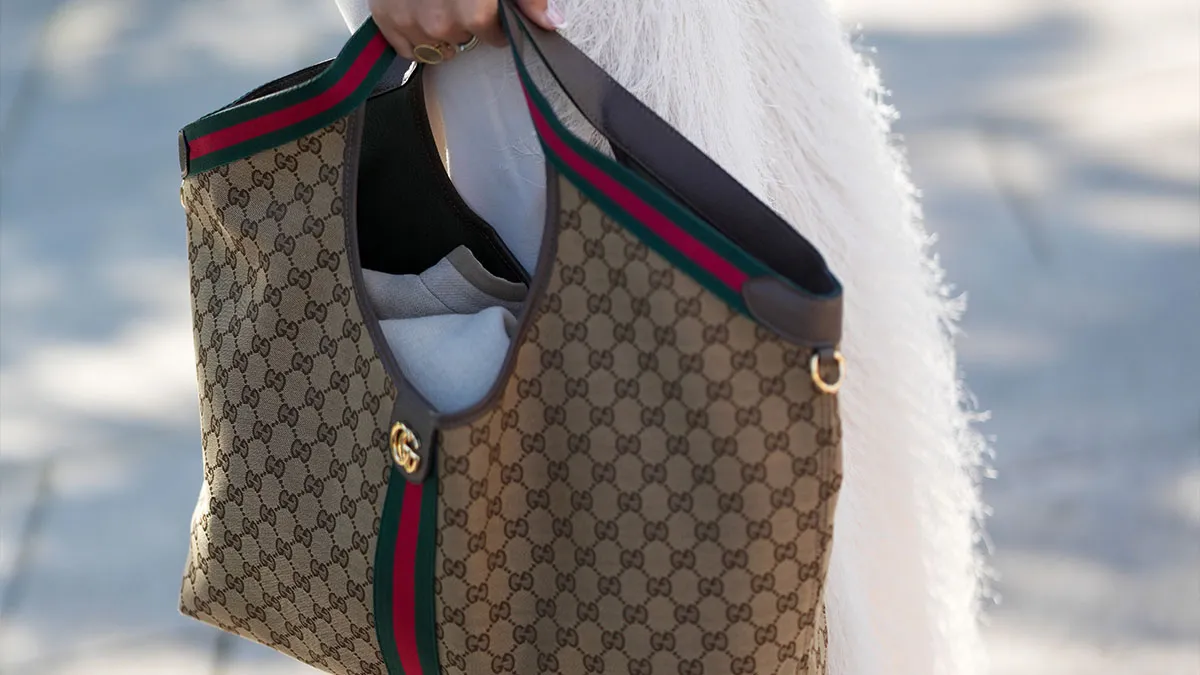
Earlier this year, a medium leather Mercato tote bag from Gucci, designed for Spring/Summer 2026, was priced at $2,900. However, in May, Bernstein analysts observed that Gucci reduced the price of the tote by approximately 20-25%. This pricing change is part of a broader strategy by Gucci and its parent company Kering to increase sales volume and reconnect with aspirational shoppers, following discussions during the group's Capital Markets Day in April. The move comes as the luxury market seeks to attract the 50 million luxury consumers that have been lost due to price hikes post-pandemic.
Read More
During the pandemic boom, many luxury brands increased prices to enhance profit margins. According to HSBC, the average price of personal luxury goods rose by 52% from 2019 to 2024. For instance, a medium Chanel classic flap bag cost around $1,000 in the 1980s but retailed for approximately $5,800 in 2019 before climbing to $11,700 today. Likewise, the Louis Vuitton Neverfull's price has tripled since its introduction in 2007, escalating from about $645 to over $2,000.
These escalations have led to decreased consumer spending, compounded by inflation in the U.S., slower economic growth in China, and geopolitical tensions in the Middle East. Analyst Luca Solca of Bernstein pointed out that these factors have intensified pressure on luxury brands, particularly those reliant on aspirational consumers. He remarked that younger shoppers are increasingly questioning the value proposition of luxury goods, with 72% of Gen Z luxury consumers stating a preference for more affordable brands over high-end labels.
Achim Berg, former partner at McKinsey, noted a significant disconnect in the luxury market, highlighting that consumers struggle to understand the rationale for price increases when product quality has not substantially improved. Kering’s CEO, Luca De Meo, conveyed during the company’s Q2 2026 earnings call that the group had previously tested different pricing strategies that significantly impacted sales volume. Despite a slight revenue decline for Gucci, they’ve experienced annual losses since fiscal 2022, with a 22% revenue drop in fiscal 2025.
Gucci's price reduction for the Mercato tote can be seen as a strategy to regain consumer interest. While some analysts argue that price cuts could undermine brand equity, others like Solca suggest that a recalibration of prices might be necessary to address affordability issues and reconnect with aspirational consumers.
Experts agree that adjusting the prices of newer styles like the Mercato is more feasible than altering prices for iconic handbags such as the Chanel Double Flap. Berg explained that established luxury brands should maintain the prices of their iconic pieces due to the risk of devaluing them. Pricing adjustments for newer models may go unnoticed by consumers, making them less controversial.
The resale market is another important factor for luxury brands to consider when discussing potential price reductions. As resale prices have softened following a pandemic peak, luxury bags are perceived as less worthy investments. Reductions in prices for iconic items may not only upset direct customers but also those engaged in resale.
Brands like Ralph Lauren and Coach have found success by diversifying their product lines to appeal to entry-level consumers. Berg noted a renaissance for value for money in luxury goods, highlighting brands that balance accessibility and quality. Alongside their other initiatives, Gucci is working to redesign their offerings to cater to a broader range of consumers.
Burberry and LVMH are also adapting their pricing strategies. Burberry plans to introduce new entry-level bags while reducing the proportion of their higher-priced items. CEO Joshua Schulman emphasized the need for a tiered product approach in a recent strategic update.
Overall, analysts believe that luxury fashion needs a new unifying theme to drive desirability. Berg suggests that until a defining trend emerges, companies may continue to adjust their pricing strategies, particularly for non-iconic items, to stay competitive in a changing market.