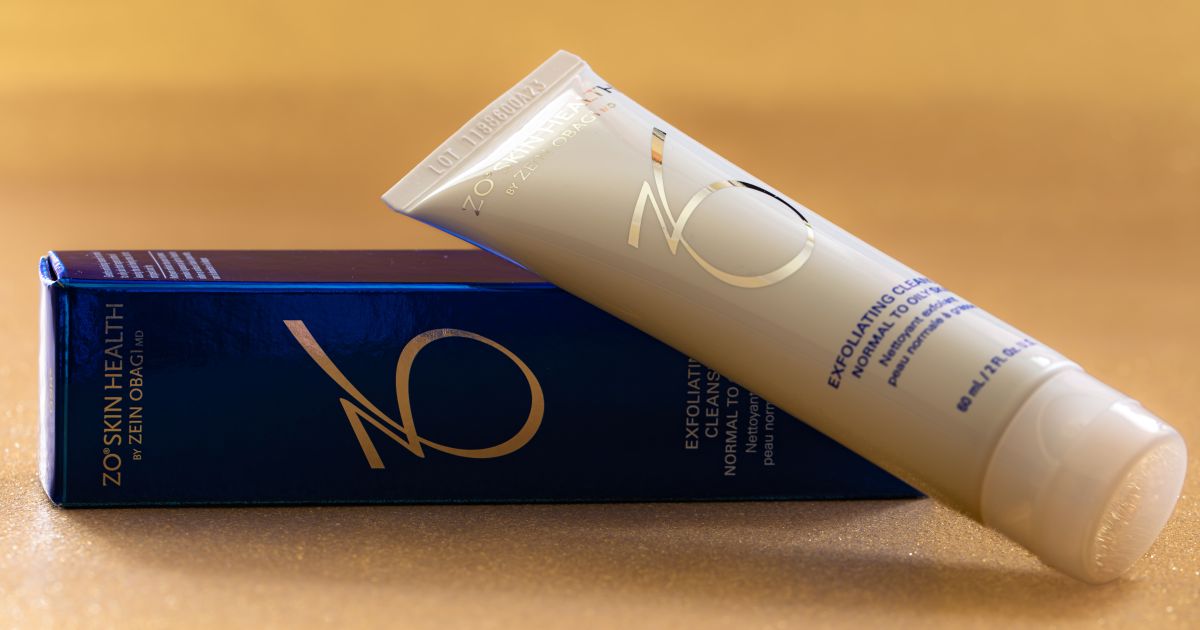
Galderma, the Swiss company known for brands like Cetaphil and Alastin, has announced its plan to acquire ZO Skin Health for $1.5 billion in cash. This acquisition, revealed on October 14, 2026, will enhance Galderma's presence in the market for physician-dispensed skincare, typically sold through dermatologists, plastic surgeons, and medical spas.
Read More
The deal will give Galderma full ownership of the California-based skincare brand, which is currently held by shareholders including Blackstone and the Obagi family. The transaction is expected to be finalized in the fourth quarter of 2026 or early 2027, pending regulatory approvals and other conditions.
The acquisition price reflects the enterprise value of ZO Skin Health, which includes its total business value and not just the cash shareholders will receive. Founded by Dr. Zein Obagi, ZO Skin Health specializes in professional skincare with over 40 products available through more than 16,500 outlets across over 40 countries. The company reported approximately $330 million in net sales in the year leading up to June 2026.
Since Blackstone purchased a majority stake in 2020, ZO's revenue has more than doubled as it shifted toward a sale. For Galderma, the appeal lies not only in acquiring the brand but also in gaining access to ZO's daily regimens centered on retinols and active ingredients, complementing Galderma's existing offerings from Alastin, which is focused on regenerative skincare.
Galderma's CEO, Flemming Ørnskov, mentioned the potential for further growth at ZO through new product development and leveraging existing relationships with healthcare professionals.
This acquisition would mark Galderma's largest deal since its stock market launch in 2024. The company, backed by L’Oréal, is also expanding its operations in the U.S., having opened a regional headquarters in Miami earlier this year.
Regulatory approval remains a necessary step before the deal can close. While competition authorities may investigate whether this merger would negatively impact market competition, Galderma has not reported any regulatory concerns regarding this transaction.
To finance the acquisition, Galderma plans to use a mix of cash and bank financing. The company anticipates that the acquisition will be neutral to its core earnings per share in the first full year after completion and will modestly affect its operating margin in 2027, with ZO’s profitability expected to align with the company's averages by 2028.
Once finalized, the acquisition will significantly bolster Galderma's position in the physician-dispensed skincare sector, where clinical endorsements and professional relationships are key to reaching premium skincare customers.