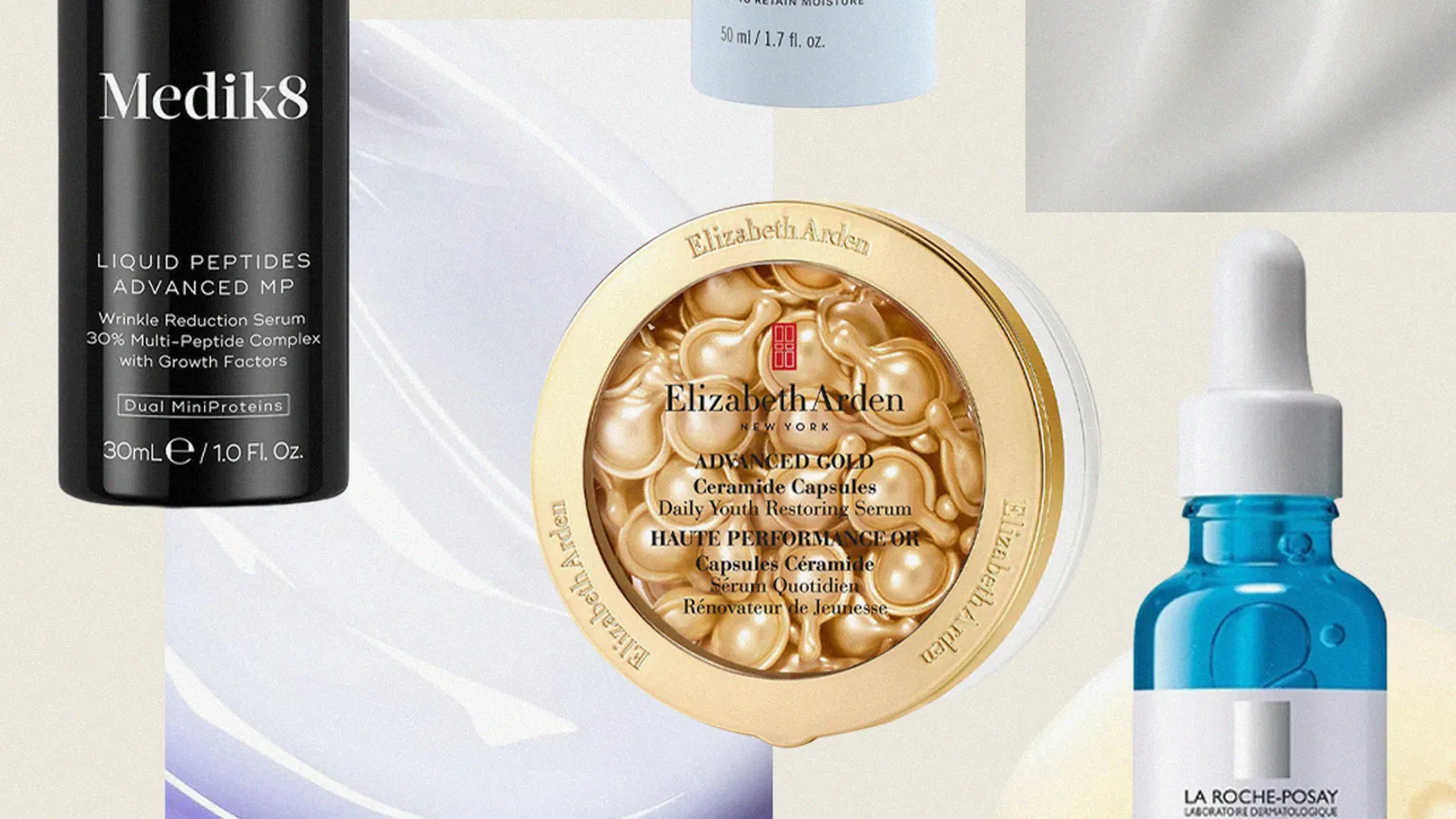
Hyaluronic acid and glycerin are prominent humectants known for attracting and binding water to the skin, ensuring hydration. While hyaluronic acid garners most of the attention, glycerin plays a vital role as it also supports the skin barrier. In autumn, it is advisable to look for both in serums and follow up with a moisturizer to retain hydration.
Read More
Peptides, which are short chains of amino acids, come in various forms, each serving specific functions. Signal peptides, like palmitoyl pentapeptide-4, aid in collagen processes and enhance firmness. Meanwhile, copper peptides, such as GHK-Cu, are being researched for their potential in skin repair. Although results hinge on the specific peptide and formulation, integrating peptides into a long-term skincare routine can enhance skin quality over time.
Ceramides serve as integral components of the skin barrier, much like mortar in a brick wall, comprising approximately 50% of the skin's intercellular lipids. They are crucial for retaining moisture and keeping irritants at bay. When ceramide levels or configurations are disrupted, the skin may become drier and more reactive. Using ceramide-rich products in autumn helps fortify the protective barrier rather than merely adding hydration.
Fatty acids and lipids, such as cholesterol and free fatty acids, work in tandem with ceramides to maintain the skin's barrier. A balanced and organized lipid structure is essential for effective barrier function. Moisturizers that incorporate these ingredients, along with emollients like shea butter, can enhance skin softness and reduce moisture loss. It's important to note that a luxurious cream doesn't always mean it has the right combination of barrier-supporting components.
Ectoin is an innovative ingredient derived from microorganisms that survive extreme conditions. Valued in skincare for its water-binding and protective qualities, ectoin shows promise in improving hydration and safeguarding the skin barrier from environmental stressors. Its benefits are particularly relevant during seasonal transitions between cold outdoor air and dry indoor heating, providing additional support for skin adaptability.