Fashion brands are increasingly adopting AI to address issues such as creative bottlenecks, inefficient supply chains, and evolving consumer demands. According to McKinsey, generative AI has the potential to enhance operating profits in the fashion, apparel, and luxury sectors by up to $275 billion by 2028.
Read More
Here are some of the leading applications of AI in the fashion industry:
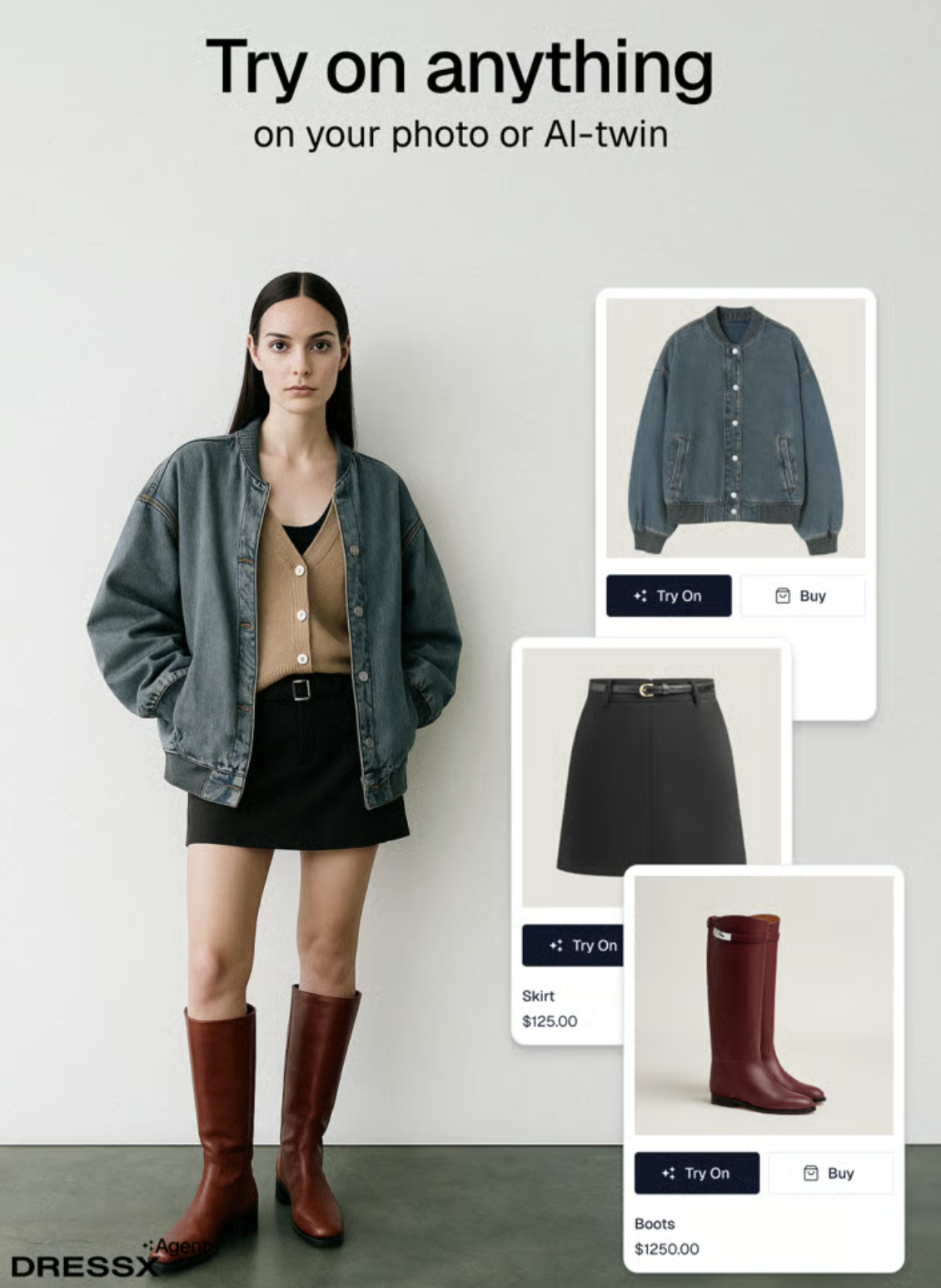
1. **AI Agents**: AI agents are transforming eCommerce by improving sizing accuracy and personalizing shopping experiences. These agents analyze shoppers’ body shapes, preferences, and lifestyles to offer tailored styling suggestions. For instance, DressX Agent, launched by DressX, allows users to create personalized avatars, virtually try on outfits, and shop from over 200 luxury brands.
Daydream’s Style Passport also exemplifies this trend by offering a chat-based shopping interface where users input preferences to receive personalized recommendations from AI.
2. **Circular Fashion Platforms**: AI enhances the circular economy in fashion by detecting garment wear levels, automating categorization, and optimizing pricing. The RealReal employs AI tools like Shield and Vision to authenticate products and flag potential fakes, identifying over 200,000 counterfeit items since 2011.
3. **Virtual Influencers**: Brands are utilizing AI-generated virtual influencers for marketing. Lil Miquela, developed by Brud, has collaborated with high-profile brands, highlighting the growing significance of digital personas in marketing campaigns.
4. **Diversity and Inclusion Auditing**: AI is used to analyze demographics and language in marketing materials, ensuring inclusivity. Microsoft Advertising, through its integration with Shutterstock, promotes authentic representation by allowing advertisers to filter images based on attributes like gender and ethnicity.
5. **AI in Design**: Creative AI is being used to generate clothing designs based on historical data and consumer preferences. Fashion companies like the s.Oliver Group and Fermat are implementing AI to facilitate collaboration across departments, streamline workflows, and improve design processes.
6. **Production Enhancements**: AI is automating tasks in garment manufacturing, improving demand forecasting, and inventory management. Solutions like Sewbo are revolutionizing sewing processes by using robotics, while AI-driven systems optimize quality assurance and predictive maintenance.
7. **Trend Forecasting**: AI is refining fashion trend forecasting by analyzing real-time data from social media and search trends. Heuritech utilizes AI to predict consumer demand by examining millions of images online, which helps brands tailor their collections.
8. **Retail Innovations**: AI enhances retail operations through intelligent automation and cashierless shopping experiences. For example, Amazon Go uses AI technology to allow customers to shop without traditional checkouts, improving efficiency and customer experience.
9. **Personalized Marketing**: AI-driven insights enable brands to deliver personalized marketing strategies. Ralph Lauren’s Ask Ralph tool provides tailored outfit suggestions, while Warby Parker’s virtual try-on technology helps customers select frames that suit their preferences.
10. **Sustainable Practices**: AI assists fashion brands in achieving sustainability through better resource management and waste reduction. Predictive algorithms help minimize overproduction by accurately forecasting demand, and AI systems evaluate materials for sustainable sourcing.
11. **Emotion AI**: This technology enhances personalization by analyzing emotional responses during the shopping experience. A recent study integrated emotion-tracking technology in a virtual fashion show to adjust the presentation based on viewer emotions, demonstrating the potential for deeper customer engagement.
Overall, AI is playing a crucial role in advancing various aspects of the fashion industry, from design and production to marketing and sustainability.