Fast fashion brands are increasingly promoting initiatives aimed at sustainability, claiming to reduce carbon footprints, chemical pollution, and resource consumption. However, an analysis of their reports reveals a contradictory scenario.
Read More
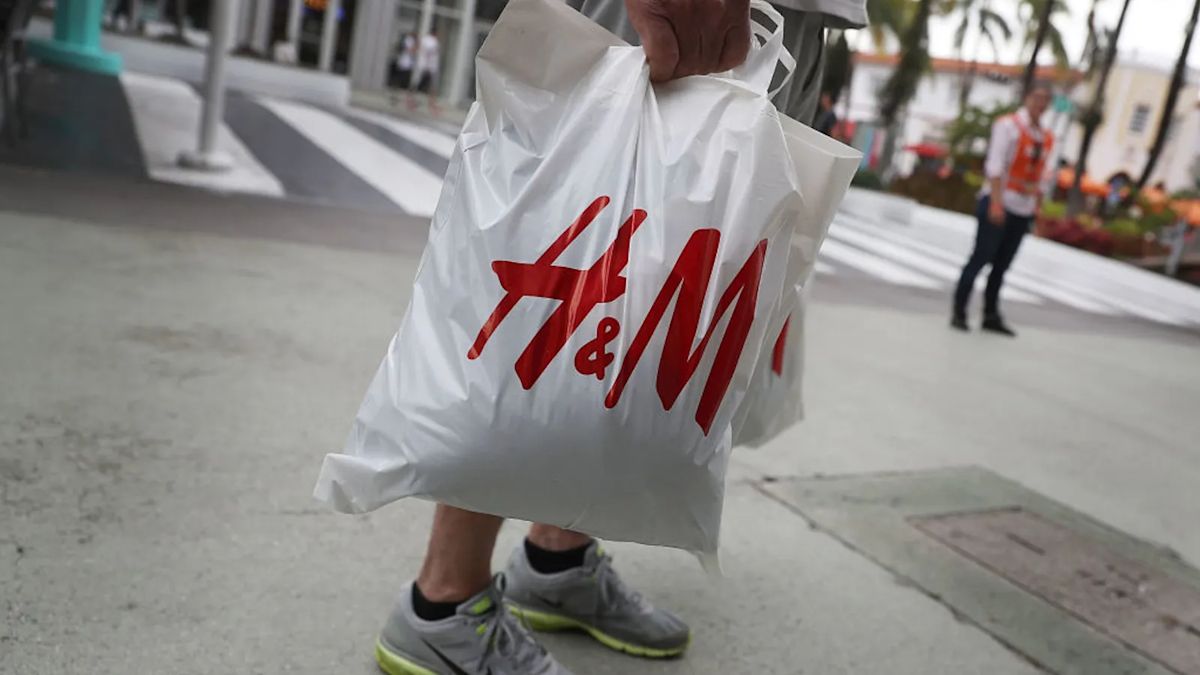
Retail giant H&M's latest sustainability report states that 91% of the materials used in its products were sustainably sourced. Yet, the report also indicates that in 2025, the company produced 364,093 metric tons of clothing, roughly equivalent to the weight of 36 Eiffel Towers. H&M CEO Daniel Ervé stated, "Our starting point is always our business idea: fashion and quality at the best price in a sustainable way."
Inditex, the parent company of several brands including Zara, reported using 705,554 metric tons of raw materials in 2025, an increase from 678,596 metric tons the previous year. Their CEO, Óscar García Maceiras, claimed that 88% of the fibers were "lower impact fibers."
Shein, which offers around 600,000 items on its platform, proclaimed its commitment to improving its environmental impact, supported by its recent acquisition of sustainable brand Everlane. The latter aims to advance a "cleaner fashion" movement.
Industry revenues are substantial for these fast fashion companies, with H&M, Zara, and Shein reporting sales of approximately $23.5 billion, $46.3 billion, and over $50 billion in 2025, respectively. H&M, aiming for circularity in partnership with the Ellen MacArthur Foundation by 2040, emphasizes creating durable products from recycled materials. However, this business model often results in massive waste. Fast fashion has led to tens of thousands of metric tons of reported waste, with potential for even more unreported upstream waste.
Experts like Javad Nasiry, a professor at McGill University, argue that the inherent fast fashion business model complicates the viability of sustainable practices. Nasiry stated that achieving sustainability within such a model is difficult, if not impossible. Inditex’s sustainability page expresses a desire for garments to remain in customers' wardrobes long-term, but the nature of fast fashion, characterized by rapid production of trend-based, low-cost items, often compromises quality. This trend encourages consumers to purchase new clothes even when their existing ones are still serviceable.
Sustainability claims typically emphasize individual product impact, neglecting the larger environmental consequences of mass production. The nonprofit Textile Exchange, which sets standards for sustainable materials, highlights the need for production systems that considerably lower greenhouse gas emissions. Despite a focus on preferred materials, overall production and emissions associated with the apparel industry have risen significantly.
Furthermore, Xiaoyang Long, an operations and information management professor at the University of Wisconsin-Madison, points out that even recycled materials can inadvertently undermine circularity due to their generally lower durability.
Fast-fashion retailers also boast the ability to quickly adapt to changing trends, which they claim prevents excess inventory. However, this rapid response may simply redistribute waste upstream in their supply chains. In 2025, H&M reported 54,766 metric tons of waste from its operations, while Inditex reported 58,154 metric tons. There is limited visibility into the environmental impact further up the supply chain.
Increasing legislation in regions like the European Union aims to combat issues related to overproduction and waste. New laws, including a ban on destroying unsold products and taxes on items sold by platforms like Shein, are beginning to take effect. Nevertheless, careful design of such regulations is essential to avoid passing on costs to consumers or degrading product quality.
Resale markets also present an opportunity for circularity, encouraging consumers to consider quality with resale potential. Despite H&M's investment in the second-hand market through its ownership of Sellpy, resale still accounted for only 0.8% of its revenue in 2025.
In conclusion, the demand for fast fashion remains strong, exemplified by the popularity of trends on social media. The challenge of reconciling sustainable practices with the fast fashion business model is proving to be arduous.