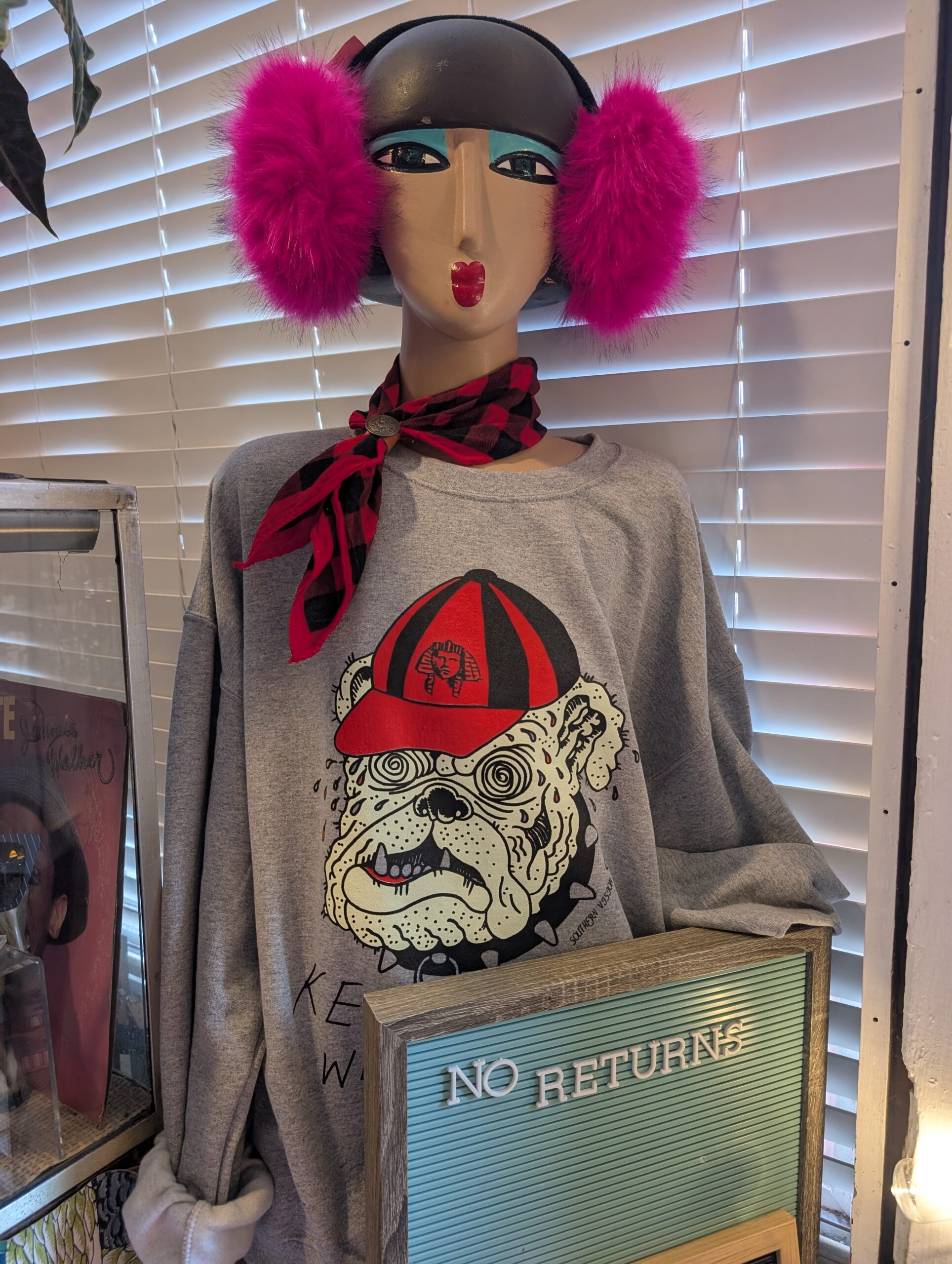
Saturdays in Athens are vibrant with fans sporting red and black attire, filling local streets as University of Georgia football games attract considerable tourism. In 2025, average spending on a game day reached $289, with tickets costing around $218. This influx of visitors benefits local restaurants, hotels, and shops but also amplifies the issue of textile waste in a college town.
Read More
The U.S. Environmental Protection Agency estimates national textile waste production at 17 million tons annually, while the United Nations puts global production at 92 million tons. Vintage clothing, defined as items produced at least 20 years prior to current trends, offers a sustainable alternative that helps combat this waste. The Ellen MacArthur Foundation highlights that a garbage truck's worth of textiles is discarded or incinerated every second.
In Athens, shops like Dynamite Clothing offer eco-friendly options, where customers seek Georgia-themed vintage apparel instead of fast fashion. On September 21, 2026, vintage and recycled Georgia clothing was priced between $20 and $60 at Dynamite. Owner Lori Paluck reports a growing interest in vintage T-shirts and sweatshirts, especially during themed game days.
While boutiques can provide matching styles, choosing vintage extends the life of garments and reduces landfill waste. Paluck notes that fans often want to express their individuality amidst a sea of red and black, seeking unique pieces that stand out.
Elena Ferrer, president of Fair Fashion UGA, explains that students' approaches to game-day attire differ by demographics, with some opting for rental services while others prefer secondhand options to avoid conformity. She believes that fast fashion’s rapid cycles push consumers toward constant buying, creating a need for a shift towards sustainable choices.
With rising prices, many are reevaluating thrift stores for affordable and stylish options, which also tend to be of better quality than new fast fashion items. Ferrer emphasizes that thrifted items are often cheaper, more environmentally friendly, and of superior quality compared to contemporary offerings.
Paluck appreciates the increasing trend toward secondhand clothing since the founding of Dynamite in 2001, noting that mainstream awareness of sustainable fashion is growing. Despite some challenges, such as the convenience of online shopping, Paluck encourages students to explore sustainable options throughout their time in Athens, asserting that sustainable fashion can extend beyond just game day.