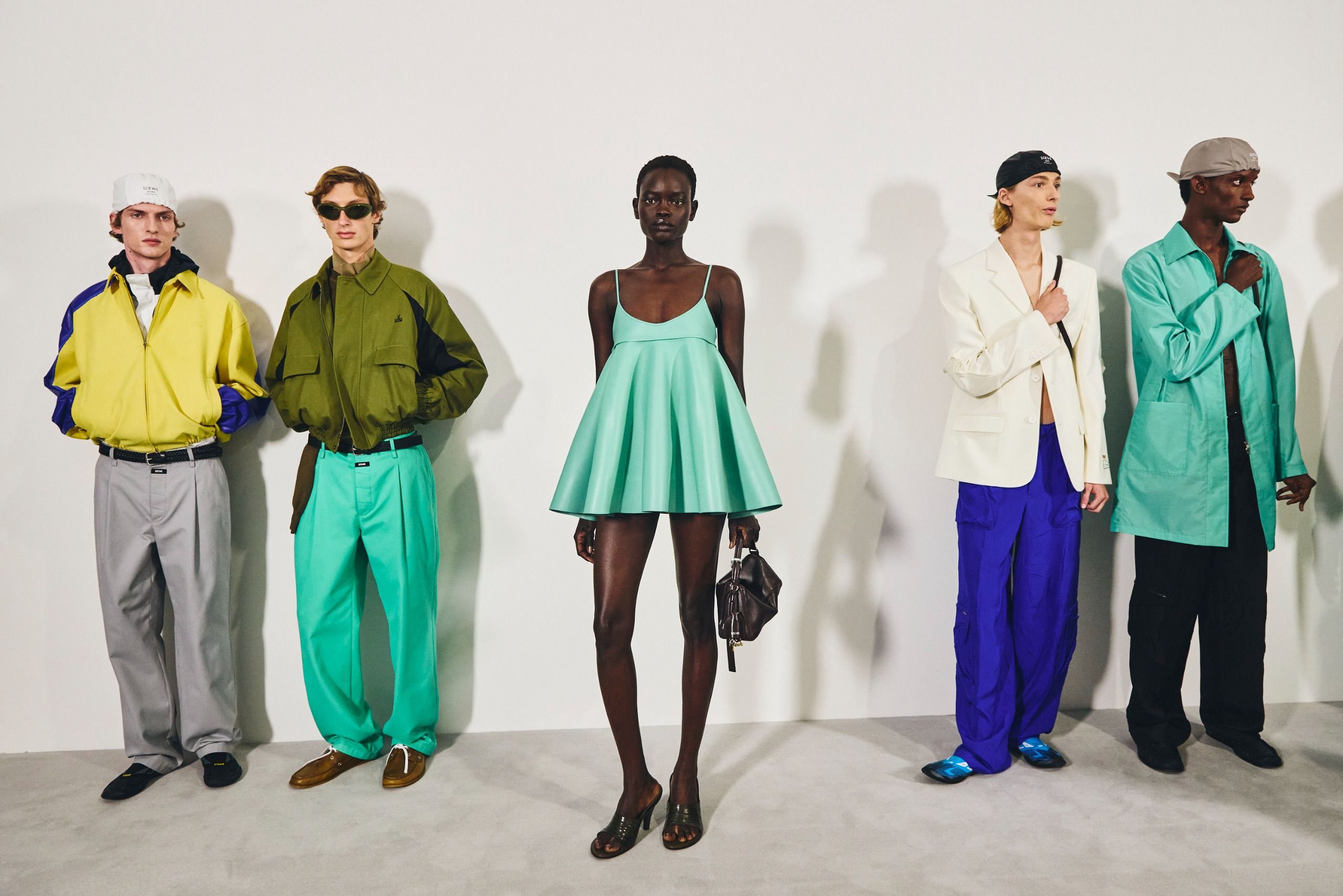
Paris Fashion Week concluded on October 6, 2026, with Nicolas Ghesquière's striking collection for Louis Vuitton. The show featured a surreal runway reminiscent of a busy motorway, complete with futuristic floating cars. Ghesquière focused on reimagining wardrobe essentials with ultra-lightweight materials, stating that the pieces felt like a second skin. This theme of lightness was echoed by designers at Hermès and Dior, who also embraced similar fabrications in their collections.
Read More
At Chanel, Matthieu Blazy drew inspiration from the evolving personal style of Gabrielle ‘Coco’ Chanel, saying, "This collection is about the women within a woman." Meanwhile, Sarah Burton at Givenchy and Michael Rider at Celine designed expansive wardrobes tailored to modern demands. Burton described her collection as a means to offer “balance and clarity” in dressing for contemporary lifestyles.
Jonathan Anderson’s latest ready-to-wear collection for Dior featured metaphors of beauty through the use of 'wénwán' walnuts, reflecting the time and patience required in creating haute couture. His designs included plissé jacquards and whimsical accessories, reinforcing a sense of contemporary femininity and romance. Similarly, Maison Margiela embraced a blend of hard and soft fabrics, while Saint Laurent presented a collection largely in gold, perhaps hinting at Anthony Vaccarello’s potential exit from the brand.
Drew Henry debuted at Courrèges with a vibrant collection that combined elements of 1960s Space Age aesthetics with modern freedom of expression. Dries Van Noten explored notions of glamour through unexpected embellishments, while Acne Studios celebrated its 30th anniversary with an eclectic mash-up of styles and historical references.
Issey Miyake’s show focused on the concept of negative space, utilizing innovative fabrication techniques. Lanvin under Peter Copping presented a timeless aesthetic, incorporating sensual fabrics and elegant silhouettes. At Givenchy, Burton continued to showcase the complexities of women’s lives through a collection with both modern and classic elements.
Victoria Beckham referenced dance from the 1920s, integrating influences from various artistic movements into her collection. Junya Watanabe’s show, interspersed with vibrant music, included athletic silhouettes combined with intricate details. Celine's Michael Rider focused on a luxurious yet casual wardrobe, while Andreas Kronthaler for Vivienne Westwood made statements about climate change through his eclectic designs.
Nadège Vanhée at Hermès stripped back the visuals to highlight the colors and fabrics of her collection, promoting a sense of airiness and practicality. Rei Kawakubo brought denim to the forefront at Comme des Garçons, creating a powerful blend of regal and everyday influences.
Miu Miu’s collection sought to transmute sportswear into elegance, while Akris drew from the painter Martha Jungwirth to create vibrant, artistic pieces. Valentino’s Alessandro Michele transformed a historic library setting into a vivid showcase, emphasizing the idea of clothing as possibilities yet to be worn.
Finally, Jean Paul Gaultier's Duran Lantink melded traditional elements with a whimsical flair, resulting in a wearably artistic collection. Zimmermann’s collection celebrated the resilience of the butterfly through flowing silhouettes and strong motifs. Chanel’s Blazy concluded the week by embracing the dynamic transformations of style throughout a woman’s life, emphasizing the multifaceted nature of identity through fashion.
Overall, Paris Fashion Week S/S 2027 showcased a diverse array of visions and styles, reinforcing the industry’s ongoing dialogue about modern femininity, sustainability, and artistic expression.