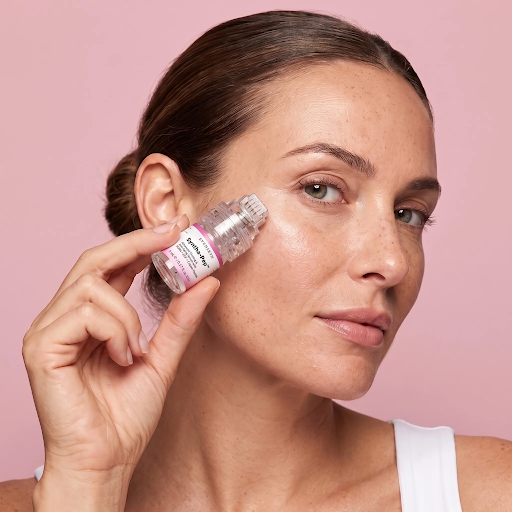
The demand for personalized skincare solutions is on the rise, with consumers seeking effective methods to achieve smoother, healthier skin without overly complicated routines. At-home beauty devices, particularly micro-infusion systems, are becoming a significant addition to traditional skincare products, including cleansers, moisturizers, and serums. These devices enable users to apply topical formulations more effectively.
Read More
Even Skyn is one brand offering products aimed at enhancing at-home skincare. Micro-infusion technology allows for targeted application of specific skincare products, but it is essential for users to understand how these devices function and to follow usage guidelines meticulously.
Micro-infusion involves using a device equipped with fine points that interact with the skin’s surface while applying topical products. These at-home devices differ from professional treatments in design and use, requiring strict adherence to the manufacturer’s instructions to ensure safety and effectiveness.
The convenience of at-home devices appeals to those with busy lifestyles and a keen interest in technology-based skincare. Key benefits include:
- Ease of use
- Structured routines
- Exploration of advanced beauty technologies
- Targeted application of topical ingredients
However, it is important for users to maintain realistic expectations; individual results can vary based on factors such as skin type, lifestyle, and consistency.
Before using any skincare device, one should establish a solid skincare foundation, starting with gentle cleansing to remove impurities without damaging the skin. Additionally, hydration is crucial, and selecting the right moisturizer can significantly affect skin comfort and appearance. Daily sun protection is also essential, as it prevents premature aging from UV exposure.
Preparation is key in introducing a micro-infusion device. Users should thoroughly read the manufacturer’s instructions, keeping in mind aspects such as cleaning, compatible products, and treatment frequency. Practicing good hygiene is imperative, starting with clean hands and ensuring the treatment area is free of makeup and oils. Only products endorsed by the manufacturer should be used with the device to avoid negative interactions.
Understanding ingredients in skincare formulations is also vital. Common components include peptides, hydrating ingredients, and antioxidants, although their efficacy can vary based on concentration and product quality.
Frequency of use should strictly follow manufacturer's recommendations; overuse could lead to skin irritation. If adverse reactions occur, it’s advisable to pause usage and reassess. For those with sensitive skin or specific conditions, consulting with a dermatologist before beginning a new regimen is recommended.
Proper hygiene extends to the device itself, necessitating careful cleaning after use and avoidance of sharing with others. Furthermore, if skin issues such as open wounds or active irritation are present, it’s best to avoid using at-home devices until these concerns are resolved.
Common pitfalls to avoid include introducing multiple new products simultaneously, overlooking the manufacturer’s instructions, and neglecting sunscreen in favor of the technology. Skin improvements take time, and a gradual approach to changes in routine is advisable.
Maintaining a simple skincare schedule can make routines easier to manage. A basic regimen might encompass a gentle cleanser, suitable treatment products, a moisturizer, and broad-spectrum sunscreen in the morning, followed by similar steps in the evening.
To track progress, taking photographs can provide a clearer comparison over time, while avoiding unrealistic comparisons to heavily edited photos seen online. When selecting skincare technology, consider compatibility with your routine, cleaning requirements, and how well the device fits your needs.
It is crucial to understand how different active ingredients can impact sensitive skin and to make informed decisions when introducing new methods. At-home micro-infusion represents a shift towards more accessible, technologically-assisted skincare. For those looking to explore this route, it is essential to integrate these devices thoughtfully into an established routine while adhering to best practices for skin health.