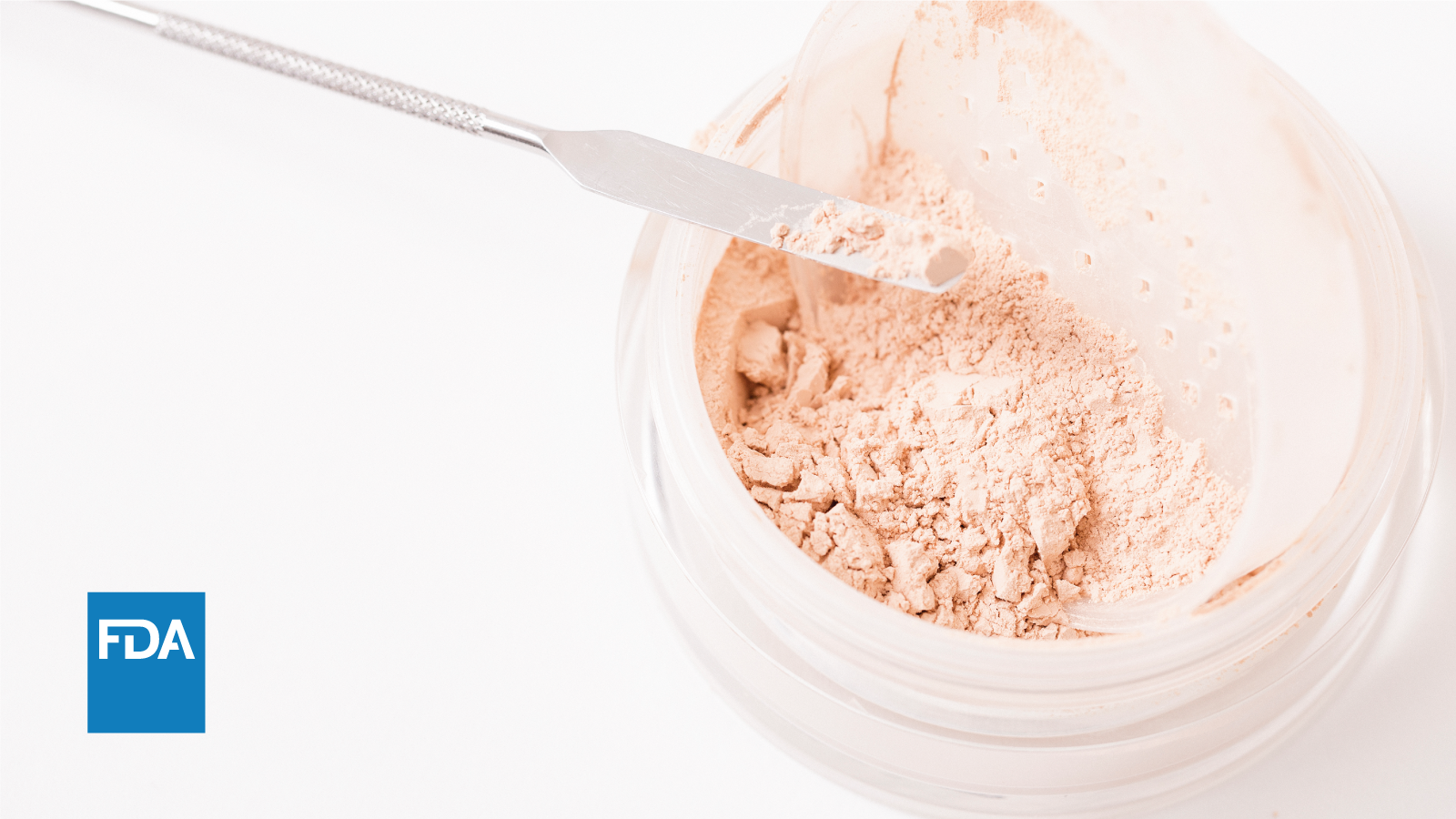
The FDA has actively tested talc-containing cosmetics for asbestos contamination in recent years, conducting multiple rounds of testing in 2019, 2021, and 2022. The products selected for testing were based on various criteria, including product type, price point, popularity on social media, and marketing to children. Testing was performed by AMA Analytical Services, Inc. (AMA), utilizing polarized light microscopy (PLM) and transmission electron microscopy (TEM) methods.
Read More
In 2022, the FDA released a Constituent Update detailing its findings from the year’s testing, encouraging consumers to refer to the summary table for information on analyzed products. This table includes key details such as product distributor, manufacturer, brand, product name, batch/lot number, FDA Sample ID number, and testing outcomes.
On January 13, 2022, the agency published a white paper discussing testing methodologies for asbestos in talc-based cosmetic products. Previous years' testing results are also available, with the FDA sharing findings from prior years on its website, including data from a year-long study in 2019 that investigated reports of possible asbestos presence in talc cosmetics.
In 2019, the FDA updated a safety alert on specific cosmetic products that tested positive for asbestos, advising consumers to cease their use. An interagency working group was formed in 2018 to establish recommendations for testing and data interpretation for asbestos in consumer products.
The FDA has a history of studying talc-containing cosmetics, dating back to a survey conducted from September 2009 to September 2010, which found no asbestos fibers in cosmetic-grade talc products from limited suppliers. However, the findings were restricted due to the small sample size and do not definitively demonstrate that all talc products are free from contamination.
Further information and reports can be accessed through the FDA's official communications.