The luxury fashion sector is in recovery mode as it seeks new growth opportunities. While the Chinese market shows signs of sluggishness post-pandemic and the Gulf region is still affected by the ongoing conflict in Iran, companies are exploring new demographics and markets to reassure shareholders and enhance stock prices. Relying solely on the strong U.S. market is not seen as a long-term solution.
Read More
A key focus for the industry has been India, an underpenetrated and complex market that requires significant investment for potential future returns. Meanwhile, Turkey, traditionally known for its hospitality and cosmetics, has emerged as a promising new frontier. The country is drawing high-end tourists and nurturing a local base of luxury shoppers, transforming its image into a shopping hub. Turkey's luxury market, valued at $3.4 billion (€3 billion) last year, is projected to grow to $4.5 billion (€3.9 billion) by 2034. Luca Solca, managing director and global head of luxury goods research at Bernstein, states, "In a globally subdued luxury environment, companies are keen to find growth frontiers. Turkey, which hasn’t been a priority in the past, is a large economy worth exploring."
Several factors are driving this trend, particularly current geopolitical relations. Turkey's ability to maintain direct flight connections with Russia and offer visa-free entry to Russian and Iranian tourists has made it an attractive destination for high-spending visitors who might have traveled to Western Europe or the UAE. Defne Kocabiyikoglu, founder of the independent fashion label Nackiyé, notes that Turkey is considered a safe zone amid regional turmoil, prompting increased spending in the country. She highlights Turkey’s high service standards and the new Istanbul airport, now recognized as the most connected airport globally, with 337 destinations.
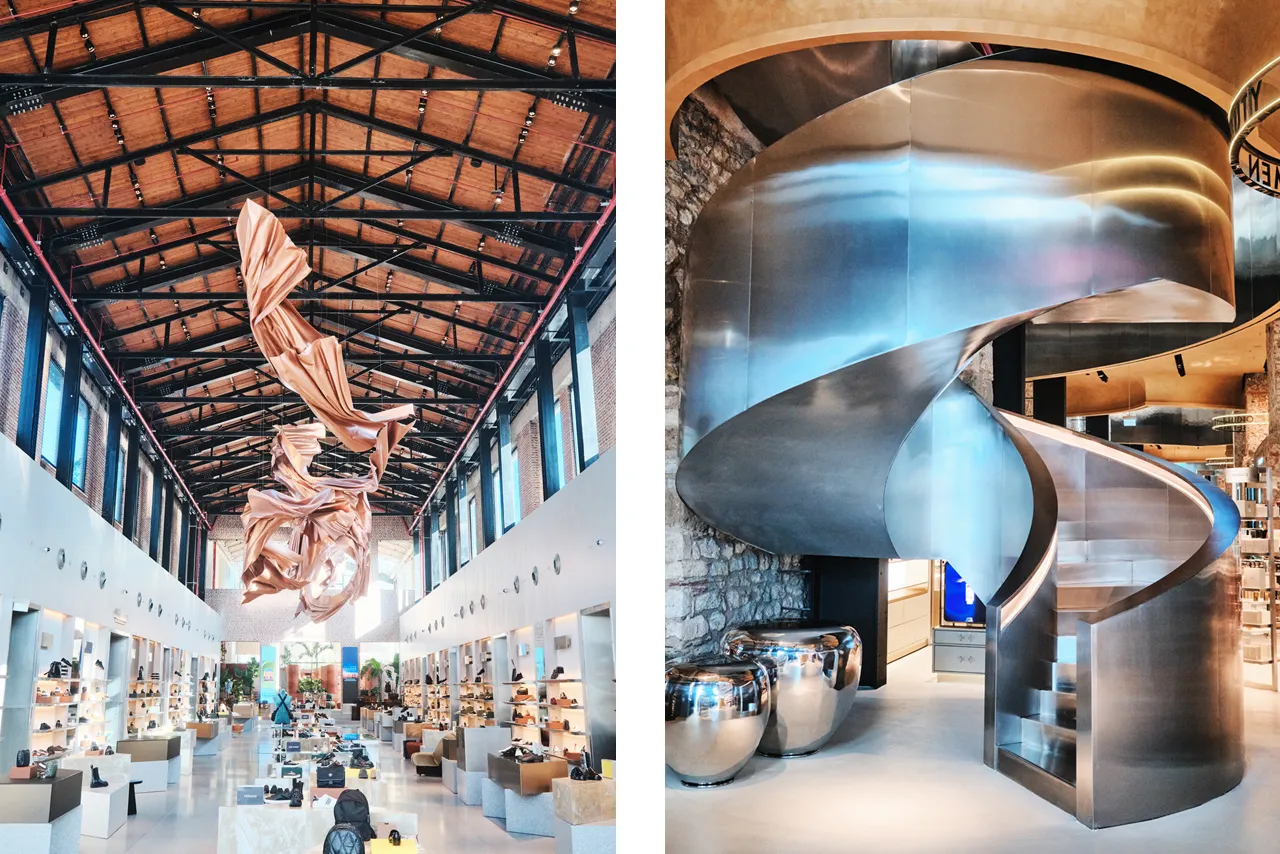
The new retail outlet Florentia, near the airport, will feature over 100,000 square meters of retail space, a luxury hotel, open-air entertainment, and access to more than 200 international labels. Turkish retailer Beymen is also raising retail standards with innovative concepts, including a store designed by OMA in Tersane-i Âmire. Demet Müftüoğlu Eşeli, curator and co-founder of the editorial platform ’74Escape, states, "The scale of investment is perhaps the clearest indication of market growth. There are more international luxury names, larger flagships and increasingly ambitious department stores. We are moving beyond conventional retail and towards spaces that combine fashion with art, design, hospitality, and culture."
While tourist spending is a major growth driver, there is also a growing domestic appetite for luxury fashion among residents. Müftüoğlu Eşeli emphasizes that Turkey has a large, interconnected consumer base, with social media allowing global fashion brands to become integral to everyday culture, thus increasing demand.
European luxury brands are likely to seize this emerging demand by opening more flagship stores and hosting events. Recently, Cartier hosted an event on the Turkish island of Büyükada, gathering creatives from the region to celebrate its new jewelry collections. Turkey also has the potential to enhance the appeal of the “Made in Turkey” label, attract investments from luxury groups into its manufacturing sector, and promote local brands like Nackiyé, which has gained global traction with partnerships in Hong Kong, Japan, and the U.S.
The long-term success of Turkey's luxury fashion market will heavily depend on maintaining political stability in a volatile region and whether President Recep Tayyip Erdoğan can address ongoing tensions with Israel and Greece.