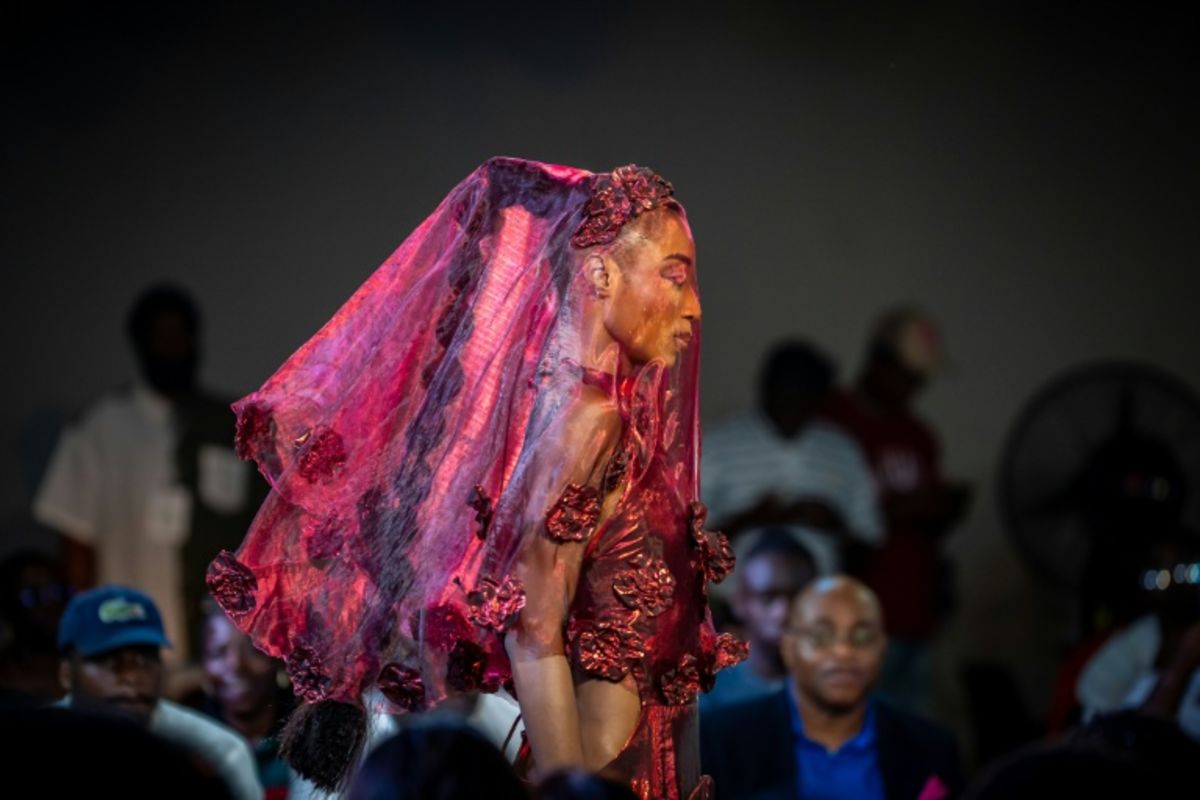
Nigerian models showcased stunning garments made from vast amounts of fabric, artfully arranged into grand silhouettes and intricate, feather-like textures. The vibrant textiles resembled Carnival attire—evoking celebrations from Nigeria’s Calabar to Rio de Janeiro—but were instead paraded down the runway in Abuja, typically known for its quieter role as the nation’s capital.
Read More
Nigeria Fashion Week, concluding this Sunday, relocated from the bustling city of Lagos to Abuja, aiming to cultivate a fashion scene in the administrative center. Lexy Mojo-Eyes, the event's organizer, expressed a desire for change, stating, "We want to change the dynamics, we want to build Abuja as a fashion city."
Since Nigeria's government moved its capital from Lagos in 1991, Abuja has retained a somewhat unfinished appearance. Its downtown features modern office buildings alongside empty lots and even farms from the early days of the city. While lacking Lagos’s energy and the film industry known as Nollywood, Abuja is gradually developing its own creative landscape.
The organizers aimed to promote collaboration between the fashion industry and government, emphasizing the need for supportive policies regarding tourism and intellectual property. Culture minister Hannatu Musa Musawa highlighted these aspirations while attending the runway show.
Libyan designer Rabia Ben Barka, visiting Abuja for the first time, praised the city’s cleanliness and orderliness, contrasting it with her experiences elsewhere. Her designs included notable retro-inspired silhouettes alongside modern styles.
Abuja is also attracting established figures from Lagos, such as bag designer Chinwe Ezenwa, who expanded her business to the capital in 2021. Despite its slower pace, she noted growth potential in the city.
Lagos continues to host its own fashion week, and the future of Abuja’s creative industries depends on its ability to support a workforce of designers and entrepreneurs. Many locals are feeling the pinch of high living costs, compounded by the government's controversial development practices that have displaced green spaces and affordable dining options.
Even amid the venue change, some familiar challenges persisted, as a power outage occurred during a backstage preparation, leading one attendee to humorously remark that the event now felt truly "authentic."